In the seventh edition of our Wazimba Travel Tanzania series, we invite you to embark on a gastronomic journey through one of East Africa’s most diverse culinary landscapes. Tanzania’s food traditions tell a fascinating story of ancient trade routes, cultural exchanges, and agricultural abundance that continues to evolve today. As your trusted indigenous tour operator with extensive networks throughout East Africa, Wazimba Travel is delighted to guide you through Tanzania’s remarkable food heritage—from fragrant spice markets to sizzling street food stalls and innovative fine dining experiences.
Tanzania’s Culinary Tapestry: A Fusion of Flavors
Tanzania’s geographical position at the crossroads of ancient trade routes has created a culinary heritage that blends indigenous African traditions with influences from Arabia, India, Portugal, and beyond. This diverse cultural exchange is most evident in the country’s extraordinary range of flavors, cooking techniques, and ingredients.
Regional Cuisine Diversity
Coastal Swahili Cuisine: The spice-infused dishes of Tanzania’s coast reflect centuries of maritime trade:
- Pilau: Fragrant rice cooked with a complex blend of spices including cardamom, cinnamon, cloves, and star anise
- Mchuzi wa Samaki: Fish curry simmered in coconut milk with tamarind, creating a perfect balance of creamy and tangy flavors
- Urojo (Zanzibar Mix): A beloved street food featuring potato soup with crispy fritters, chutney, cassava chips, and boiled eggs
Inland Traditional Fare: Away from the coast, hearty dishes showcase local agriculture:
- Ugali: This stiff maize porridge forms the staple starch across much of Tanzania, eaten by hand as an accompaniment to stews and vegetables
- Nyama Choma: Perfectly grilled meat (usually goat or beef) seasoned simply with salt and sometimes a hint of chili
- Ndizi Nyama: Green bananas slow-cooked with meat and vegetables, a specialty of the Chagga people around Mount Kilimanjaro
Cultural Crossroads Cuisine: Tanzania’s cities showcase innovative fusion dishes:
- Chips Mayai: The ultimate Tanzanian comfort food—an omelet stuffed with french fries
- Mishkaki: Skewered meat marinated in a blend of African and Arabian spices
- Mandazi: Slightly sweet fried bread that pairs perfectly with morning chai
Zanzibar: The Legendary Spice Island
No culinary exploration of Tanzania would be complete without visiting Zanzibar, whose very name evokes the aromatic spices that transformed global cuisine and once made these islands among the world’s most valuable territories.
Spice Plantation Experiences
Wazimba Travel arranges immersive spice plantation tours that go beyond tourist demonstrations to offer genuine insight into this fascinating agricultural heritage:
Hands-On Harvesting: Learn to identify and harvest spices including:
- Cinnamon bark, carefully stripped from branches
- Vanilla beans, which must be hand-pollinated
- Green peppercorns growing in trailing clusters
- Nutmeg and mace, two distinct spices from a single fruit
- Turmeric and ginger roots, unearthed before your eyes
Culinary Applications: Watch local chefs demonstrate traditional uses for freshly harvested spices:
- Spice tea blending workshops
- Traditional curry powder creation
- Coconut milk extraction techniques
- Medicinal applications of common cooking spices
Historical Context: Understand the profound impact of the spice trade on world history:
- The rise and fall of the Omani sultanate in Zanzibar
- The dark connection between spices and the slave trade
- How clove plantations transformed Zanzibar’s landscape
- Modern challenges facing small-scale spice farmers
Stone Town Culinary Walking Tours
The winding alleys of UNESCO-listed Stone Town offer a feast for all senses. Our specialized food walks include:
Darajani Market Exploration: Navigate this bustling market with expert guides who introduce you to:
- Exotic tropical fruits with tastings of unusual varieties
- Fresh-caught seafood selected by local chefs
- Spice merchants with mountains of fragrant treasures
- Traditional cooking implements and their uses
Street Food Sampling: Taste authentic Zanzibari street specialties including:
- Zanzibar Pizza: A stuffed crepe filled with savory or sweet ingredients
- Kashata: Coconut and peanut confections with cardamom
- Sugarcane Juice: Freshly pressed with ginger and lime
- Mkate wa Kumimina: Rice bread with coconut served with spiced tea
Swahili Coffee Culture: Experience the traditional coffee ceremonies where beans are freshly roasted, ground, and brewed with cardamom and ginger.
Street Food Adventures: Tanzania’s Culinary Soul
Some of Tanzania’s most memorable flavors are found not in restaurants but along bustling streets where local vendors create inexpensive, delicious specialties. Wazimba Travel’s guided street food tours ensure you can sample these authentic treats safely.
Dar es Salaam Street Food Trails
Tanzania’s largest city offers vibrant street food scenes in neighborhoods like:
Kariakoo Market Area:
- Chipsi Mayai Masters: Watch skilled vendors creating the perfect chip-stuffed omelets
- Michkaki Grills: Savor flame-grilled skewers seasoned with secret spice blends
- Vitumbua Specialists: Sample these sweet rice pancakes with coconut
- Fresh Juice Stands: Discover tropical fruits transformed into refreshing beverages
Kivukoni Fish Market:
- Morning Fish Auctions: Witness the excitement as the day’s catch arrives
- Seafood Barbecue: Enjoy just-caught fish grilled on makeshift charcoal stoves
- Octopus Specialists: Try tender octopus prepared with coastal spices
- Coconut Vendors: Learn how every part of the coconut is utilized in coastal cuisine
Northern Tanzania Street Specialties
Even in safari areas, street food offers authentic cultural connections:
Arusha’s Central Market:
- Choma Stands: Sample Tanzania’s famous grilled meats with kachumbari (tomato and onion salad)
- Ndizi Kaanga: Fried plantains with chili salt
- Sambusa: Triangular pastries with savory fillings
- Mahindi Choma: Charcoal-roasted corn with chili and lime
Moshi’s Street Delights:
- Kiburu: Chagga-style boiled bananas with bean stew
- Machalari: Fried meat with special spices unique to the Kilimanjaro region
- Fresh Mountain Coffee: Locally grown and perfectly brewed
Coffee Culture: From Bean to Cup
Tanzania produces some of Africa’s finest coffee, particularly in the highlands around Mount Kilimanjaro and Mount Meru where ideal growing conditions create beans of extraordinary quality.
Coffee Plantation Experiences
Wazimba Travel arranges visits to coffee cooperatives where you can:
Witness the Complete Process:
- Participate in coffee cherry harvesting (seasonal)
- Observe traditional pulping and drying methods
- Try your hand at coffee bean sorting
- Experience small-batch roasting techniques
Connect with Coffee Communities:
- Share meals with farming families
- Learn about fair trade certification impacts
- Understand challenges facing small-scale growers
- Support women-owned coffee initiatives
Perfect Your Tasting Skills:
- Professional cupping sessions with expert graders
- Identify regional flavor characteristics
- Learn proper brewing techniques
- Take home freshly roasted beans direct from producers
Urban Café Renaissance
Tanzania’s cities are experiencing a café revival, blending traditional coffee culture with contemporary approaches:
Dar es Salaam’s New Wave Cafés: Modern establishments featuring:
- Single-origin Tanzanian beans prepared with precision
- Creative coffee-based beverages with local ingredients
- Third-wave brewing methods alongside traditional Swahili techniques
- Spaces where coffee enthusiasts share knowledge and passion
Zanzibar Coffee House: This Stone Town institution occupies a beautifully restored Swahili merchant house where you can:
- Sample beans from across Tanzania’s growing regions
- Learn traditional Swahili coffee preparation
- Enjoy coffee-infused local pastries
- Relax in authentic historical surroundings
Hands-On Culinary Experiences
Move beyond tasting to creating with immersive cooking experiences that provide lasting skills and deeper cultural understanding.
Cooking Classes
Wazimba Travel arranges hands-on cooking experiences with local chefs:
Zanzibar Spice Kitchen: Learn to create coastal classics including:
- Authentic Zanzibari biryani with proper spice layering
- Octopus curry with coconut and tamarind
- Traditional breads including mkate wa kumimina
- Swahili-style chutneys and pickles
Rural Village Cooking: Experience traditional cooking methods:
- Underground cooking pits for special occasions
- Clay pot techniques for beans and stews
- Banana leaf wrapping for specialty dishes
- Traditional grain processing from harvest to plate
Market-to-Table Experiences
For a complete culinary adventure:
Guided Market Shopping: Navigate local markets with expert guidance:
- Selecting the freshest ingredients
- Learning proper price negotiation
- Discovering unusual regional specialties
- Meeting regular vendors and producers
Home Cooking Sessions: Join local families in their kitchens to:
- Prepare everyday Tanzanian favorites
- Learn family recipes passed through generations
- Understand the social importance of food sharing
- Enjoy warm hospitality around the family table
Safari Dining: Extraordinary Meals in Extraordinary Places
Even in remote wilderness areas, Tanzania offers remarkable dining experiences that complement wildlife adventures.
Bush Breakfasts and Sundowners
Wazimba Travel specializes in arranging memorable wilderness dining:
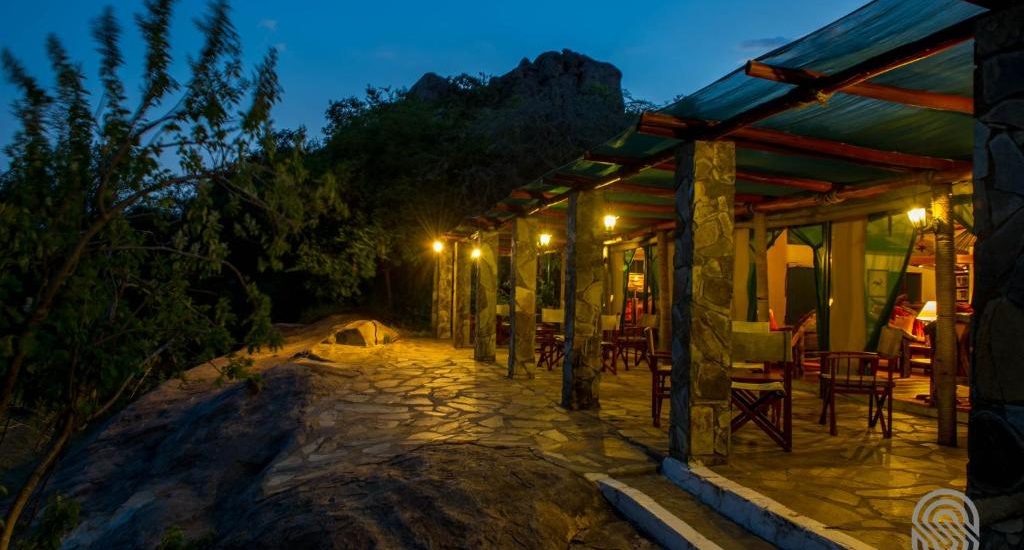
Serengeti Sunrise Breakfasts: Imagine enjoying freshly brewed coffee and hot breakfast while watching wildlife at active waterholes, with:
- Chef-prepared hot dishes served in the open savannah
- Traditional breakfast items alongside local specialties
- Safe but intimate proximity to Africa’s iconic wildlife
- Unmatched morning light for photography
Sunset Sundowners: The safari tradition of evening drinks reaches new heights with our specially arranged:
- Scenic viewpoint setups with uninterrupted vistas
- Craft cocktails featuring Tanzanian ingredients
- Gourmet canapés showcasing local flavors
- Conservation discussions with expert guides
Lodge and Camp Cuisine
Tanzania’s finest safari properties have elevated wilderness dining to an art form:
Farm-to-Table Safari Lodges: Many properties now maintain organic gardens producing:
- Fresh vegetables despite challenging conditions
- Herbs that reduce the need for imported ingredients
- Educational opportunities for guests interested in sustainable agriculture
- Employment opportunities for local communities
Chef Interaction Programs: Exclusive experiences where:
- Lodge chefs explain how they adapt sophisticated techniques to remote locations
- Bush cooking demonstrations showcase traditional methods
- Dietary requirements become creative opportunities rather than limitations
- Local ingredients shine in innovative presentations
Eating Ethically: Supporting Sustainable Food Systems
Tanzania faces both food security challenges and environmental pressures from agriculture. Responsible culinary tourism can support sustainable practices.
Community Food Initiatives
Wazimba Travel connects travelers with projects making positive impacts:
School Garden Programs: Visit educational initiatives where:
- Students learn sustainable agriculture alongside academic subjects
- School meal programs incorporate garden harvests
- Traditional food knowledge is preserved and valued
- Nutrition education benefits entire communities
Women’s Culinary Cooperatives: Support innovative programs where:
- Traditional food knowledge creates economic opportunities
- Value-added products increase rural incomes
- Culinary skills provide sustainable livelihoods
- Cultural preservation occurs naturally through food traditions
Sustainable Seafood Initiatives
With marine conservation increasingly critical, our coastal experiences highlight:
Traditional Sustainable Fishing: Observe methods including:
- Tide pool fish trapping that selects only appropriate species and sizes
- Hand-line fishing that minimizes bycatch
- Octopus management programs that protect breeding populations
- Community-enforced no-take zones that replenish fish stocks
Seaweed Farming: Visit women’s cooperatives growing this sustainable crop that:
- Provides economic alternatives to wild harvesting
- Creates valuable export products from minimal resources
- Requires no fertilizers or pesticides
- Potentially captures carbon while providing income
Essential Tanzanian Dishes: What to Try
During your Tanzania journey, these signature dishes and beverages should not be missed:
Must-Try Main Dishes
Nyama Choma: The quintessential East African grilled meat experience, often served with kachumbari (fresh tomato and onion salad) and ugali.
Wali na Maharage: Rice and beans prepared with coconut milk along the coast or simply spiced in inland regions—a staple combination elevated to perfection.
Mchuzi wa Samaki: Coastal fish curry featuring fragrant spices, tamarind, and coconut milk that perfectly balances sweet, sour, and savory notes.
Ugali na Maharage: The working person’s lunch of stiff maize porridge served with savory bean stew—simple but satisfying comfort food.
Ndizi Nyama: Plantains slow-cooked with meat until they absorb all the savory flavors—particularly delicious in northern Tanzania.
Street Food Favorites
Zanzibar Pizza: Despite the name, this is a crepe-like pocket filled with your choice of minced meat, vegetables, cheese, or even chocolate and banana for a sweet version.
Chipsi Mayai: The ultimate comfort food—an omelet filled with french fries that appears at street stands across the country.
Mishkaki: Skewers of marinated meat grilled over charcoal—Tanzania’s answer to kebabs, with regional spice variations.
Mshikaki: Different from mishkaki, these skewers often include offal meats and stronger spices, particularly popular in Dar es Salaam.
Mandazi: Lightly sweetened fried bread perfect for breakfast or afternoon snacks, often paired with chai.
Drinks to Discover
Tangawizi: Freshly brewed ginger tea that ranges from mildly warming to intensely spicy.
Rangi Mbili: “Two colors” coffee served with a layer of milk and spiced coffee, particularly popular in Zanzibar.
Sugarcane Juice: Freshly pressed, often mixed with ginger and lime for a refreshing natural beverage.
Ubwali: Traditional millet beer found in rural areas, especially around Lake Victoria.
Dawa: The “medicine” cocktail featuring honey, vodka, and lime—invented in Kenya but popular throughout East Africa.
Wazimba Travel Culinary Experiences
As an indigenous tour operator with deep roots in East Africa, Wazimba Travel offers specialized culinary experiences that connect travelers with Tanzania’s remarkable food heritage:
- Curated Culinary Itineraries: Food-focused journeys showcasing regional specialties and unique ingredients
- Chef-Led Expeditions: Special departures featuring noted East African chefs who provide deeper culinary context
- Spice Route Heritage Tours: Historical explorations following the ancient trade routes that shaped East African cuisine
- Culinary Photography Workshops: Specialized trips for food photographers seeking authentic culinary scenes
- Festival-Timed Visits: Itineraries coordinated with food and harvest celebrations
Ready to Taste Tanzania?
Tanzania’s culinary landscape offers a feast for adventurous palates, from the spice-infused dishes of Zanzibar to the hearty comfort foods of the mainland. Every meal tells a story of cultural exchange, agricultural tradition, and the extraordinary flavors that emerge when diverse influences meet.
Join us in the next article of our series as we explore Tanzania’s hidden gems—the extraordinary destinations beyond the famous safari circuit. Stay tuned to discover secret corners of this remarkable country that most visitors never see!
Have questions about Tanzania’s food traditions? Ready to plan a culinary-focused journey? Contact the Wazimba Travel team for expert guidance on creating an itinerary that tantalizes your taste buds while deepening your understanding of East African cultures.