Ready for the ninth adventure in our Wazimba Travel Uganda series? After exploring everything from gorilla kingdoms to culinary delights through our first eight articles, it’s time to venture where most travelers never go—Uganda’s incredible hidden gems and secret spots that showcase some of the country’s most spectacular experiences without the crowds, the queues, or the tourist buses.
Here’s what we love about Uganda as your local tour operator: while everyone’s rushing to the famous spots (which are absolutely worth visiting), this country is packed with incredible experiences that most people never discover. We’re talking about places where you might be the only visitors, experiences that feel like personal discoveries, and adventures that create those “I can’t believe more people don’t know about this” moments. These hidden gems often end up being the stories travelers tell most enthusiastically when they get home.
Semuliki National Park: Uganda’s Slice of Central Africa
Let’s start with what might be Uganda’s most overlooked national park—Semuliki, a place so unique it feels like you’ve stepped into a completely different continent. Located in western Uganda, this park protects the only lowland tropical rainforest in East Africa, creating ecosystems and wildlife experiences found nowhere else in the region.
Why Semuliki is Special: This park represents the easternmost extent of the Central African rainforest, meaning you’ll encounter flora and fauna that have more in common with Congo’s rainforests than with typical East African landscapes. The result is wildlife viewing that feels completely unique in the Ugandan context.
The Hot Springs Experience: Semuliki’s Sempaya Hot Springs are absolutely incredible—boiling water bubbling up from the earth in the middle of pristine rainforest. The main spring reaches temperatures of 103°C, hot enough to cook eggs (locals actually do this for visitors). The springs are considered sacred by the local Bamaga people, adding cultural significance to the natural wonder.
Unique Wildlife: Semuliki hosts over 400 bird species, including numerous Central African forest species found nowhere else in East Africa. The park is also home to forest elephants (smaller and more elusive than savannah elephants), various primate species, and unique butterflies that create incredible photography opportunities.
Cultural Connections: The Batwa and Bamaga communities around Semuliki maintain traditional forest lifestyles and offer cultural experiences that provide insights into forest survival skills, traditional hunting techniques, and spiritual connections to rainforest environments.
Wazimba Travel Reality Check: Semuliki requires commitment to reach—it’s not on the typical tourist circuit. But if you’re looking for unique experiences and don’t mind getting off the beaten path, it delivers adventures unlike anywhere else in Uganda.
Ziwa Rhino Sanctuary: Where Giants Return Home
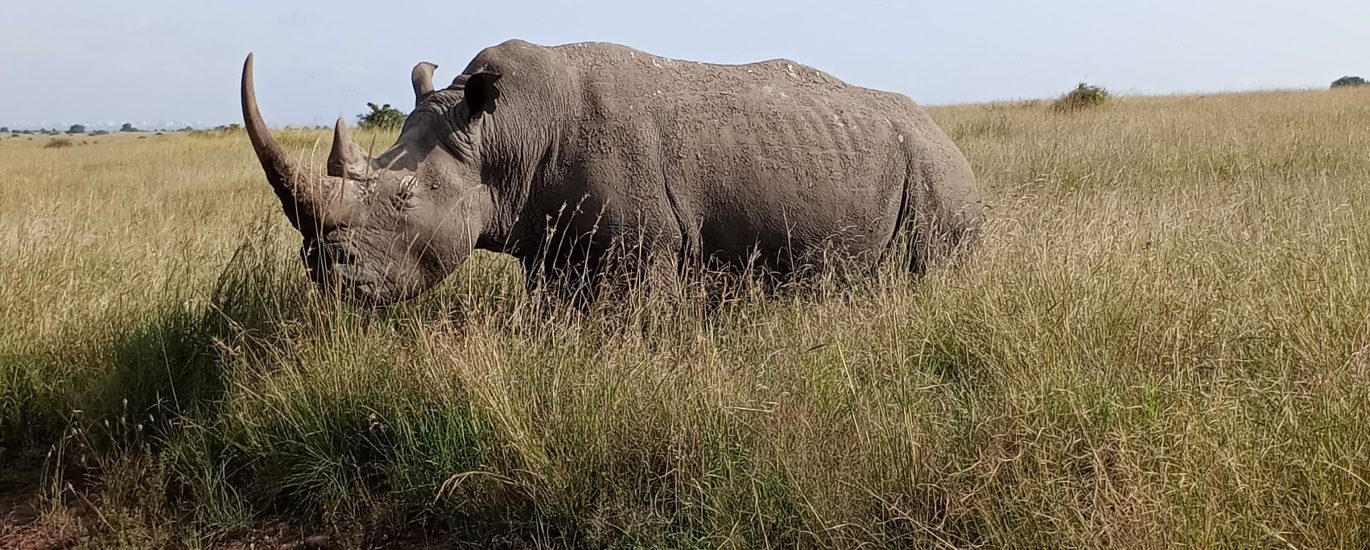
While not exactly hidden, Ziwa Rhino Sanctuary remains one of Uganda’s most underappreciated wildlife experiences. This remarkable conservation project is successfully breeding southern white rhinos for eventual reintroduction to Uganda’s national parks, creating close-encounter opportunities with these magnificent animals.
The Conservation Story: Rhinos were completely extinct in Uganda by 1983, victims of poaching and civil unrest. Ziwa represents hope—a successful breeding program that has grown from 6 rhinos in 2005 to over 30 today. Every rhino born here represents a conservation victory and brings Uganda closer to having wild rhino populations again.
Rhino Tracking Experience: Unlike typical game drives, rhino tracking at Ziwa happens on foot with armed rangers. You’ll walk through grasslands and forests tracking these massive animals (adults weigh up to 2,500 kg) until you encounter them grazing peacefully. Getting within 20 meters of wild rhinos is absolutely exhilarating.
Beyond Rhinos: Ziwa hosts over 300 bird species, various antelope species, and other wildlife that make it worthwhile even without the rhinos. The sanctuary also demonstrates successful community conservation, showing how wildlife protection can benefit local communities.
Strategic Location: Located halfway between Kampala and Murchison Falls, Ziwa makes a perfect stopover that adds incredible wildlife experiences without major itinerary adjustments.
Lake Bunyonyi: The Switzerland of Africa
Lake Bunyonyi might be the most beautiful lake you’ve never heard of. This stunning highland lake scattered with 29 small islands creates landscapes so beautiful that early European explorers called it “the Switzerland of Africa”—and honestly, they weren’t exaggerating.
Why Lake Bunyonyi Enchants Everyone: This lake sits at 1,962 meters above sea level, creating cool mountain climates perfect for relaxation. The lake is also bilharzia-free and safe for swimming, making it one of the few large African lakes where you can actually get in the water without health concerns.
Island Adventures: Each of the 29 islands has its own character and history. Akampene Island (Punishment Island) has a fascinating but dark history where unmarried pregnant girls were abandoned in traditional times. Today it offers incredible views and historical insights. Other islands host communities, cultural sites, or simply provide perfect picnic spots.
Cultural Terraces: The hills surrounding Lake Bunyonyi feature spectacular terraced agriculture that rivals anything in Asia. These terraces, carved by the Bakiga people over generations, create stunning landscapes while demonstrating traditional sustainable agriculture.
Activities Galore: Canoeing, swimming, island hopping, cultural walks, bird watching (over 200 species), and simply relaxing in mountain tranquility create perfect combination experiences.
Hidden Accommodation: Lake Bunyonyi hosts some of Uganda’s most charming accommodation options, from luxury eco-lodges to budget backpacker spots, all taking advantage of the stunning lake and mountain views.
Ssese Islands: Lake Victoria’s Tropical Paradise
The Ssese Islands archipelago in Lake Victoria offers tropical island experiences that most people associate with Indian Ocean destinations, not inland East Africa. These 84 islands create a completely different Uganda experience focused on beaches, fishing culture, and island relaxation.
Getting There is Half the Adventure: Reaching the Ssese Islands involves ferry rides across Lake Victoria that provide incredible lake experiences and insights into Uganda’s fishing culture. The ferries carry everything from motorcycles to livestock, creating authentic local transportation experiences that feel completely removed from typical tourist activities.
Beach Life in Uganda: Yes, Uganda has beaches! The Ssese Islands offer genuine tropical beach experiences with white sand, palm trees, and swimming opportunities in Africa’s largest lake. Bugala Island, the largest in the archipelago, features developed beaches alongside traditional fishing villages.
Fishing Culture: The islands maintain traditional fishing communities where you can participate in fishing expeditions using traditional techniques, learn about Lake Victoria’s fish species, and understand how island communities have adapted to lake life over generations.
Forest Adventures: Many Ssese Islands feature tropical forests that host primates, unique bird species, and butterflies. Forest walks on uninhabited islands create adventure experiences combined with tropical relaxation.
Island Hopping: Exploring multiple islands provides insights into different communities, various landscapes, and the diversity that exists within this island archipelago.
Pian Upe Wildlife Reserve: Uganda’s Forgotten Wilderness
Pian Upe Wildlife Reserve might be Uganda’s best-kept wildlife secret—a massive wilderness area in the remote Karamoja region that offers authentic African wilderness experiences without crowds, infrastructure, or easy access.
True Wilderness: Pian Upe covers 2,275 square kilometers, making it Uganda’s largest protected area, yet it receives almost no tourists. This creates wildlife experiences that feel genuinely wild and untouched by tourism.
Unique Wildlife: The reserve hosts species found nowhere else in Uganda, including ostriches, elands, oryx, and other wildlife adapted to semi-arid conditions. Cheetahs occasionally appear, and the reserve offers Uganda’s best opportunities to see several antelope species.
Landscape Diversity: From Mount Kadam’s peaks to vast savannah plains, seasonal wetlands, and rocky outcrops, Pian Upe offers incredible landscape diversity within a single protected area.
Cultural Integration: The reserve borders traditional Karamojong communities, creating opportunities to combine wilderness experiences with authentic cultural encounters in one of Uganda’s most traditional regions.
Adventure Requirements: Visiting Pian Upe requires serious planning, 4WD vehicles, camping equipment, and self-sufficiency. This isn’t a destination for casual visitors, but for serious adventurers seeking authentic wilderness experiences.
Remote Cultural Encounters: Beyond Tourist Villages
Uganda’s most authentic cultural experiences often happen in remote communities that rarely receive visitors but offer incredible insights into traditional lifestyles and cultural practices.
Ik People of Mount Morungole: The Ik people live in one of Uganda’s most remote areas and maintain one of East Africa’s most unique cultures. Visiting Ik communities requires serious trekking and cultural sensitivity, but offers encounters with a people whose lifestyle has remained largely unchanged for centuries.
Remote Batwa Communities: While some Batwa communities near tourist areas offer cultural programs, remote Batwa groups in areas like Mgahinga’s buffer zones provide more authentic insights into traditional forest cultures and the challenges facing indigenous communities.
Karamojong Manyattas: Visiting traditional Karamojong homesteads (manyattas) in remote areas provides authentic pastoral culture experiences away from more tourist-oriented cultural programs.
Highland Communities: Various mountain communities throughout Uganda maintain traditional lifestyles adapted to highland environments. These communities often welcome respectful visitors seeking authentic cultural exchange.
Homestay Adventures: Living Like Locals
Uganda’s homestay programs offer incredible opportunities to experience daily life, family structures, and community relationships that create memories lasting far beyond typical tourist experiences.
Rural Family Stays: Staying with farming families provides insights into agricultural lifestyles, traditional farming techniques, family structures, and community relationships that govern rural Ugandan life.
Urban Family Experiences: Homestays in towns and cities offer different perspectives on modern Ugandan life, education systems, urban challenges, and how traditional culture adapts to modern circumstances.
Fishing Community Stays: Living with fishing families around Lake Victoria or other water bodies provides insights into fishing culture, water-based livelihoods, and communities that depend on aquatic resources.
Craft Community Homestays: Staying with families involved in traditional crafts provides hands-on learning opportunities while supporting traditional skills and cultural preservation.
Secret Waterfalls and Natural Wonders
Beyond the famous Murchison Falls and Sipi Falls, Uganda hides numerous spectacular waterfalls and natural wonders that rarely appear on tourist itineraries.
Aruu Falls: Located in northern Uganda, these falls offer spectacular water features combined with cultural significance for local communities and opportunities for swimming in natural pools.
Sezibwa Falls: These culturally significant falls near Kampala offer easy access to natural beauty combined with traditional spiritual beliefs and cultural practices.
Karuma Falls: Less famous than Murchison but equally spectacular, these falls on the Nile offer incredible water experiences without crowds.
Hidden Hot Springs: Beyond Semuliki’s famous hot springs, Uganda hosts numerous other geothermal features that combine natural wonders with cultural significance and unique experiences.
Cave Systems: Various regions host cave systems with cultural significance, geological interest, and adventure opportunities that rarely receive tourist attention.
Seasonal Hidden Gems
Some of Uganda’s best hidden experiences are seasonal, requiring specific timing but offering incredible rewards for properly timed visits.
Grasshopper Harvesting: During grasshopper seasons, participating in traditional harvesting techniques provides unique cultural experiences while supporting local food systems.
Traditional Festivals: Various communities celebrate traditional festivals that offer authentic cultural experiences for visitors who time their trips appropriately.
Migratory Bird Seasons: Certain locations become incredible birding destinations during migration seasons but remain relatively unknown during other periods.
Agricultural Seasons: Participating in planting or harvest activities provides authentic rural experiences while supporting farming communities.
Off-Season Adventures
Visiting Uganda’s hidden gems during traditionally “off” seasons often provides the best experiences while supporting communities during slower tourism periods.
Wet Season Advantages: Many hidden gems are actually more spectacular during wet seasons—waterfalls flow stronger, landscapes are lusher, and cultural activities are more active.
Fewer Crowds: Off-season visits to less famous destinations often mean having incredible experiences entirely to yourself.
Lower Costs: Accommodation and activity costs are often significantly lower during off-peak periods.
Authentic Interactions: Communities have more time for meaningful cultural exchanges when tourist numbers are lower.
Planning Hidden Gem Adventures
Exploring Uganda’s hidden gems requires different planning approaches than visiting famous destinations:
Local Knowledge Essential: Hidden gems often require local knowledge about access, timing, cultural protocols, and safety considerations that only experienced local operators possess.
Flexible Itineraries: Remote destinations often require flexibility due to weather, road conditions, or community schedules that can’t be predicted far in advance.
Self-Sufficiency: Many hidden gems lack tourist infrastructure, requiring visitors to be self-sufficient regarding accommodation, food, and equipment.
Cultural Sensitivity: Less touristy destinations often require greater cultural sensitivity and understanding of local customs and protocols.
Safety Considerations: Remote areas may present safety challenges that require local knowledge and proper preparation.
The Wazimba Hidden Gems Advantage
As your local tour operator, we bring essential advantages to exploring Uganda’s hidden gems:
Exclusive Access: Our relationships with remote communities, traditional leaders, and local guides enable access to experiences unavailable through other operators.
Safety and Logistics: Years of operating in remote areas give us knowledge about safety considerations, logistics, and proper preparation for challenging destinations.
Cultural Bridges: Our local connections facilitate respectful cultural exchanges and authentic experiences that benefit communities while creating meaningful visitor experiences.
Flexible Operations: We can adjust itineraries based on seasonal conditions, community schedules, and unexpected opportunities that arise during hidden gem exploration.
Conservation Support: Our hidden gem tours directly support conservation efforts and community development in areas that receive limited tourism revenue.
Combining Hidden Gems with Classic Experiences
Uganda’s compact size makes it perfect for combining hidden gems with famous attractions:
The Explorer’s Combination: Gorilla trekking + Lake Bunyonyi relaxation + Semuliki hot springs = perfect blend of famous and hidden experiences.
The Adventurer’s Mix: Kidepo wildlife + Pian Upe wilderness + Karamojong cultural encounters = ultimate off-the-beaten-path adventure.
The Cultural Immersion: Traditional kingdom visits + remote community homestays + seasonal cultural festivals = deep cultural understanding.
The Nature Lover’s Dream: Famous waterfalls + hidden springs + secret birding spots = comprehensive natural wonders tour.
Ready for Real Discovery?
Uganda’s hidden gems offer experiences that range from remote wilderness adventures to authentic cultural encounters, from secret natural wonders to genuine community interactions. These destinations provide the satisfaction of real discovery—finding incredible places and experiences that most travelers never encounter.
In our tenth article in this series, we’ll tackle the practical side of Uganda adventures—seasons, logistics, and all the essential information you need to plan your perfect Pearl of Africa journey.
Ready to discover Uganda’s best-kept secrets? Contact the Wazimba Travel team to start planning your perfect combination of famous highlights and hidden gems. We’ll create authentic adventures that showcase both Uganda’s famous attractions and its incredible secret spots that most travelers never discover.