Kenya isn’t just a safari destination—it’s the safari destination that defined the very concept of African wildlife adventures. Since the early 1900s, travelers have journeyed to Kenya’s vast savannahs, and today, this East African gem continues to offer some of the most spectacular wildlife experiences on the planet.
What makes Kenya truly special? It’s the extraordinary diversity packed into one accessible country. Within a few hours’ drive from Nairobi, you can witness the Great Migration, photograph elephants against Mount Kilimanjaro’s snowy peak, see flamingos paint an entire lake pink, and encounter all of Africa’s Big Five. No other destination offers such variety with such ease.
At Wazimba Travel, we’ve spent over eight years guiding adventurers through Kenya’s wild places. As a locally-owned operator based in Nairobi, we don’t just know Kenya—we live it. Our guides were born here, raised here, and have spent decades learning the rhythms of the land and the patterns of its wildlife. When you safari with us, you’re experiencing Kenya through the eyes of those who call it home.

Kenya’s safari experiences divide into distinct ecosystems, each offering unique encounters and landscapes.
The southern region centers on the legendary Masai Mara and Amboseli, the destinations that appear in countless documentaries and coffee table books. This is quintessential safari country—open grasslands, dramatic skies, and wildlife in abundance.
Masai Mara National Reserve forms the Kenyan portion of the greater Serengeti ecosystem. From July through October, over two million wildebeest, zebras, and gazelles thunder across these plains in the Great Migration, one of nature’s most spectacular events. But the Mara delivers year-round: dense populations of lions, leopards, and cheetahs mean predator sightings happen daily. The Mara River crossings during migration season create scenes of raw drama as crocodiles wait for desperate wildebeest to make their perilous plunge.
Amboseli National Park spreads at the foot of Mount Kilimanjaro, Africa’s highest peak. Here, massive elephant herds wander across golden grasslands with Kilimanjaro’s snow-capped summit rising behind them—an iconic African image that never loses its power. Amboseli’s elephants are among the continent’s largest, with bulls carrying truly impressive tusks. The park’s swamps provide permanent water, concentrating wildlife and creating exceptional viewing opportunities.
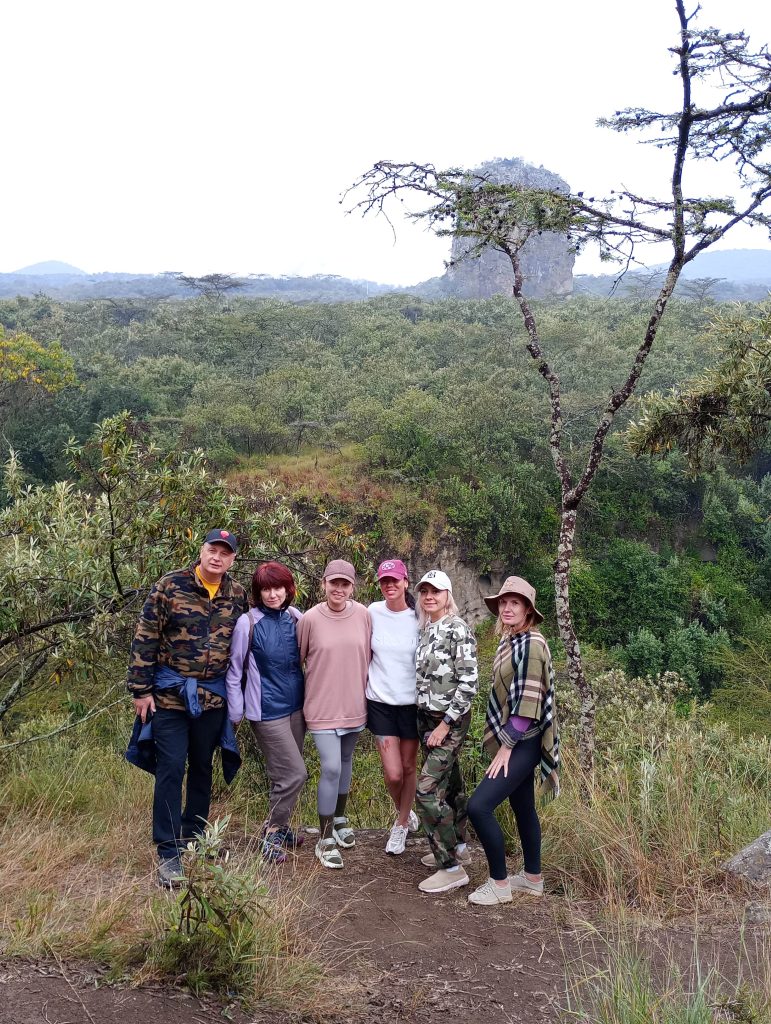
The Great Rift Valley runs through Kenya like a scar, creating a chain of unique ecosystems. These lakes offer dramatically different experiences from traditional savannah safaris.
Lake Nakuru National became famous for the millions of flamingos that once turned its shores pink. While flamingo numbers fluctuate with water levels, Nakuru remains exceptional for other reasons. It’s one of Kenya’s best locations for spotting both black and white rhinos. The park’s acacia woodlands harbor tree-climbing lions, a rare behavior seen in only a few locations worldwide. With over 450 bird species recorded, Nakuru satisfies even the most dedicated birders.
Lake Naivasha provides a gentler safari experience. Here, you’ll take boat rides past hippos and explore Crescent Island on foot—one of the few places in Kenya where you can walk freely among zebras, giraffes, and gazelles with no dangerous predators present. The surrounding flower farms add splashes of cultivated color to contrast the wild landscapes.
Northern Kenya remains wild, remote, and gloriously uncrowded. These reserves require more time and investment to reach, but reward adventurers with authentic wilderness experiences.
The Samburu National Reserve occupies a distinct ecological zone where species found nowhere else in Kenya thrive. The “Samburu Special Five”—Grevy’s zebra, reticulated giraffe, Somali ostrich, gerenuk, and beisa oryx—evolved specifically for these arid conditions. The Ewaso Ng’iro River creates a green ribbon through the golden landscape, concentrating wildlife along its banks. Elephants are everywhere, and leopards are spotted with surprising frequency.
The northern regions also showcase Kenya’s rich cultural diversity. The Samburu people maintain traditional lifestyles, and cultural visits offer insights into pastoralist communities that have lived in harmony with wildlife for centuries.
Kenya’s coastline proves that African adventures don’t end at the savannah’s edge.
Tsavo East and West National Parks together form Kenya’s largest protected area. Tsavo’s elephants are famous for their red color—they dust-bathe in the region’s iron-rich soil. These parks see fewer visitors than the Mara or Amboseli, offering a sense of space and discovery. Tsavo West’s volcanic landscapes, including the haunting Shetani lava flows, create otherworldly scenery. Mzima Springs, where crystal-clear water bubbles up from underground, allows underwater hippo viewing from a special observation chamber.
Mount Kenya National Park surrounds Africa’s second-highest peak. While serious mountaineers tackle the summit, the park’s lower zones offer forest safaris with a completely different character. Here you’ll find black-and-white colobus monkeys, giant forest hogs, and if you’re exceptionally lucky, the elusive bongo antelope. The bamboo forests and high-altitude moorlands create an alpine atmosphere that feels worlds away from the savannah below.
Kenya is one of the best countries in Africa for encountering all of Africa’s Big Five: lion, leopard, elephant, buffalo, and rhino. These animals earned their collective name from big-game hunters who considered them the most dangerous to hunt on foot—today, we hunt them only with cameras, but the thrill of encounter remains.
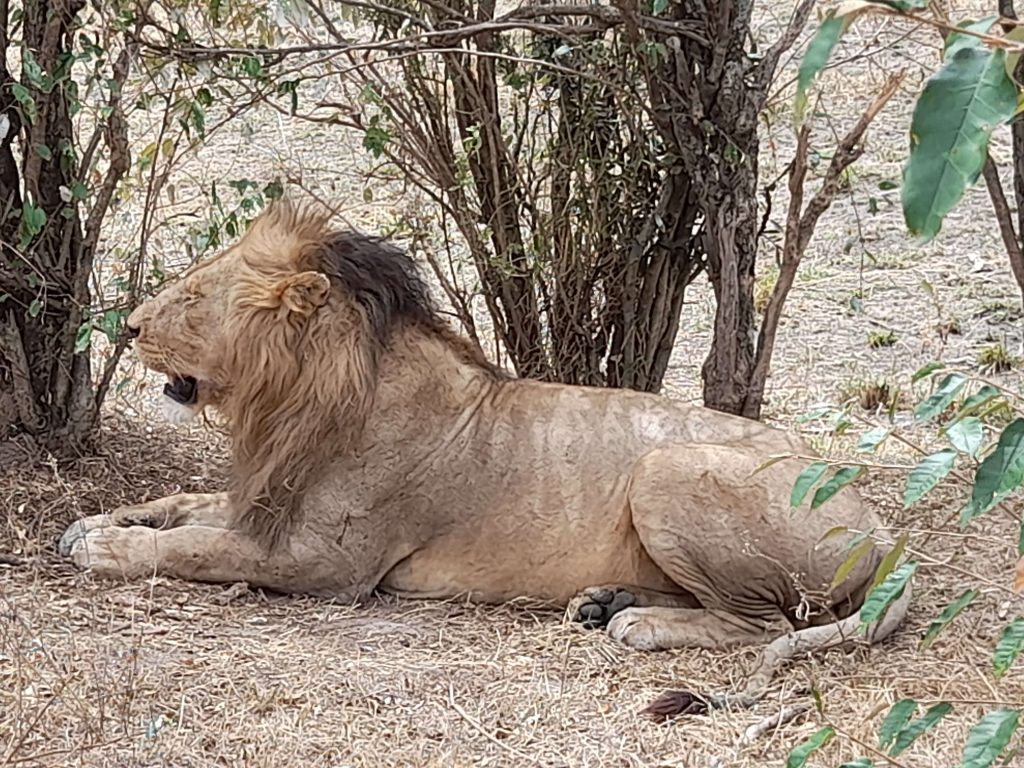
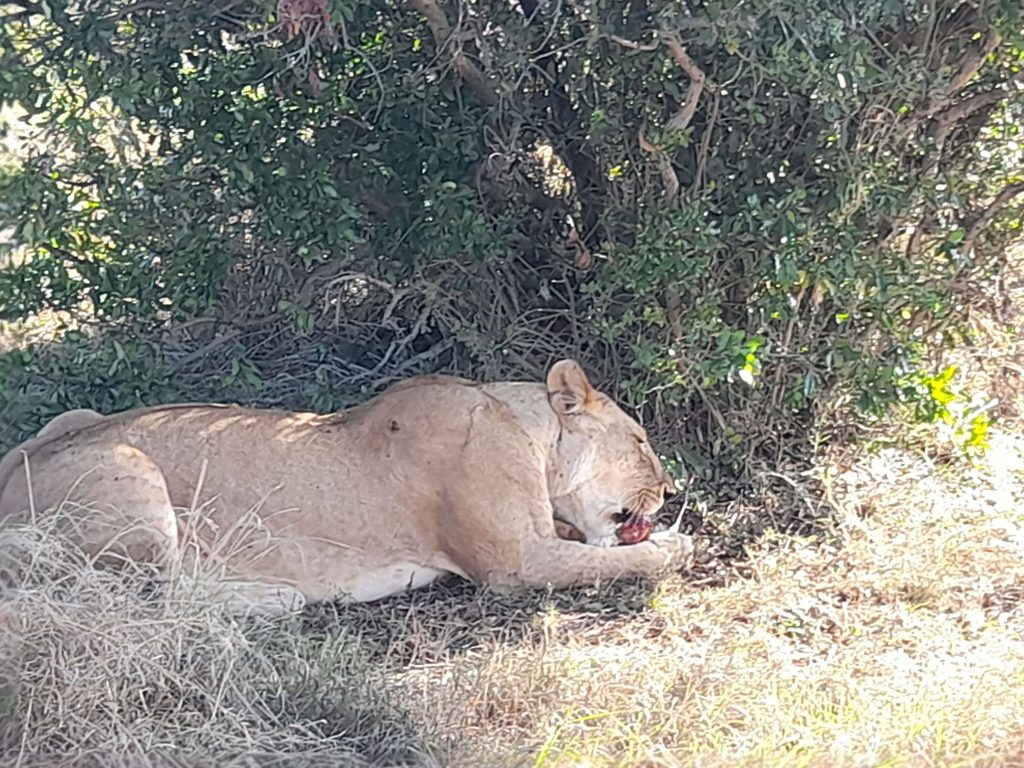
Lions are Kenya’s most reliably spotted big predator. The Masai Mara’s prides are well-studied and habituated to vehicles, allowing intimate observations of behavior. Watch cubs playing while mothers rest, or witness the tension as a coalition of males patrols their territory. Early morning game drives often reveal lions on fresh kills.
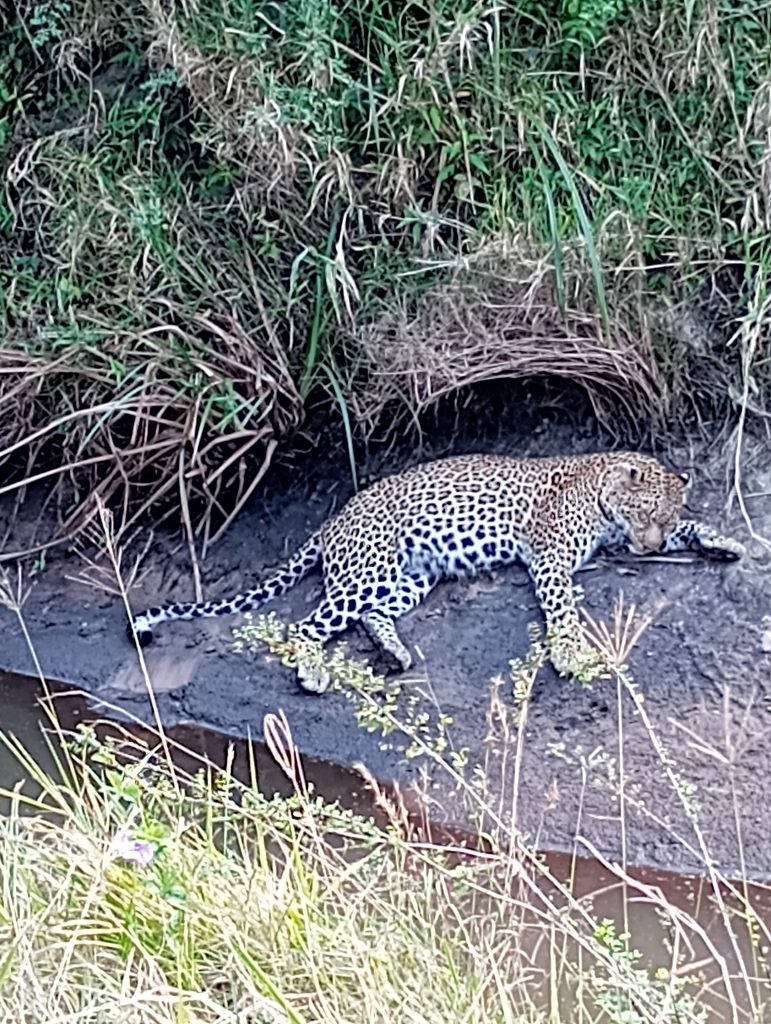
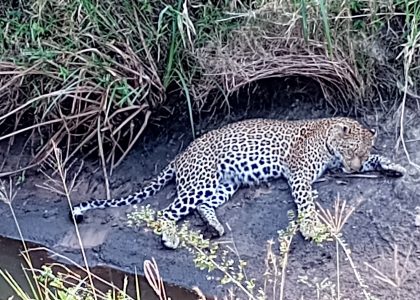
Leopards, though elusive, appear more frequently in Kenya than many visitors expect. Samburu and the Mara both host leopards that have grown comfortable with safari vehicles. These solitary cats often rest in acacia trees during daylight hours, making them easier to spot than in regions where they remain purely nocturnal.
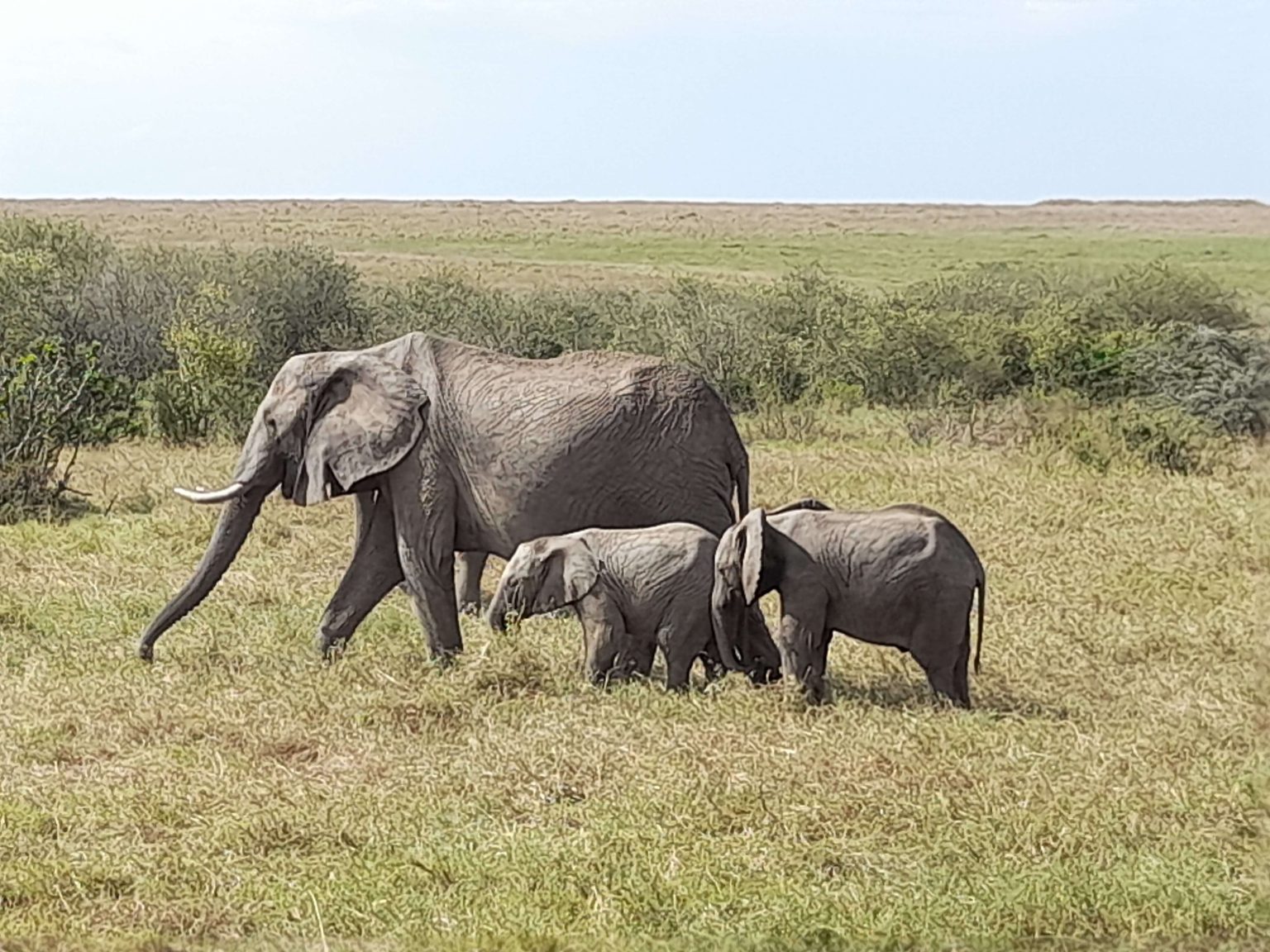
Elephants are everywhere. Kenya’s elephant populations have recovered significantly from the poaching crisis of the 1980s. Amboseli’s herds are legendary, Samburu’s elephants have been studied for decades, and even Ol Pejeta, Mt Kenya and the Aberdares host several family groups. Watching elephants interact—the gentle way mothers guide calves, the playful behavior of teenagers, the majesty of massive bulls—never grows old.
Buffalo move in herds that sometimes number in the thousands. Despite their bovine appearance, buffalo are considered Africa’s most dangerous animal when cornered. From a safari vehicle, though, watching a massive herd move across the landscape like a dark tide is pure spectacle.
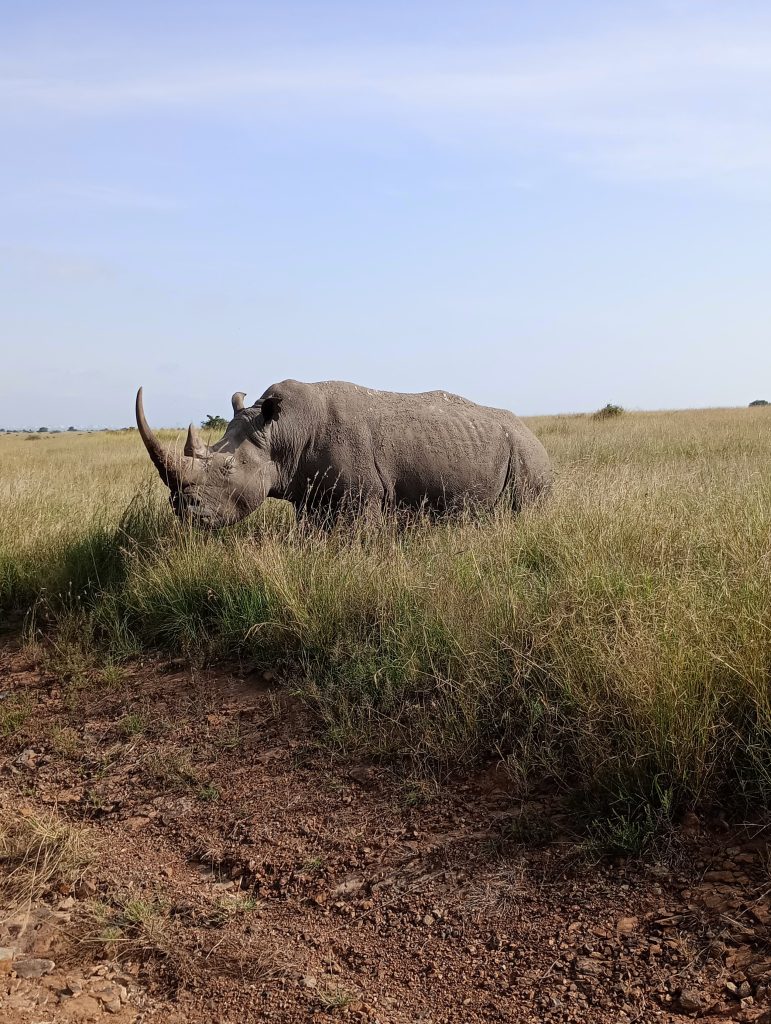
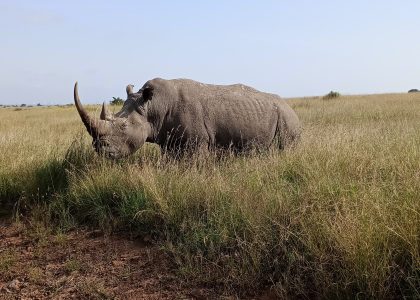
Rhinos, both black and white species, have made remarkable comebacks in Kenya’s protected reserves. Lake Nakuru and several private conservancies offer excellent rhino viewing. These prehistoric-looking megaherbivores face ongoing poaching pressure for their horns, making every sighting a reminder of conservation’s critical importance.
Kenya’s wildlife extends far beyond the famous five. The country hosts over 1,100 bird species, from massive ostriches to tiny sunbirds in every color imaginable. The Great Migration brings not just wildebeest but zebras in their thousands, creating Africa’s most dynamic wildlife spectacle.
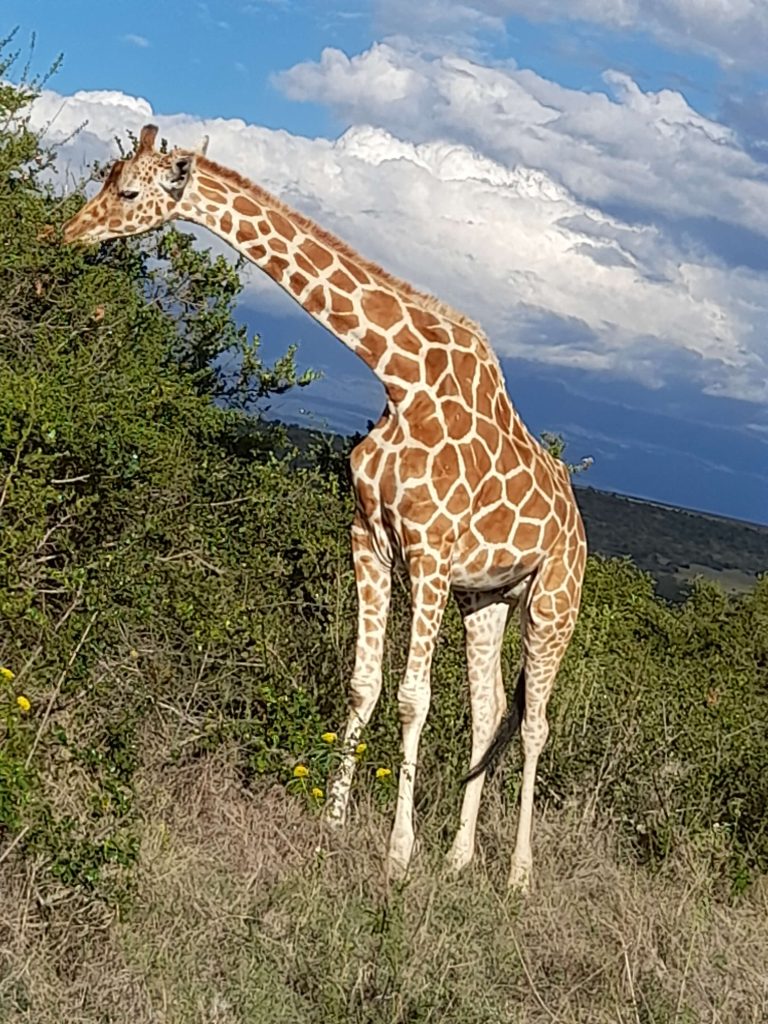
Cheetahs, Africa’s fastest land animals, hunt across the Mara’s open plains. Hyenas, often misunderstood, are actually highly intelligent predators whose eerie calls fill African nights. Giraffes—Kenya has three distinct subspecies—browse on acacia trees, their impossibly long necks and legs making them seem like evolution’s most whimsical creation.
Kenya offers excellent safari experiences year-round, but different seasons bring different advantages.
From July through October, the Great Migration dominates Kenya’s safari calendar. More than a million wildebeest and hundreds of thousands of zebras cross from Tanzania’s Serengeti into the Masai Mara, following the seasonal rains. The Mara River crossings, where panicked herds plunge into crocodile-infested waters, create some of Africa’s most dramatic wildlife moments.
This season brings reliable weather—dry, warm days perfect for game viewing. Animals concentrate around remaining water sources, making them easier to locate. However, popularity brings crowds, especially at famous crossing points. Being the peak of the tourist season, we recommend advance booking of accommodations before prices and availability reach their annual peak.
January through March delivers fantastic safari conditions without the crowds. After the short rains, landscapes glow green and fresh. Many animals calve during this period—watching baby antelope, gazelle, and buffalo take their first wobbly steps or seeing tiny lion cubs emerge from dens adds emotional depth to game viewing.
Weather remains dry and pleasant. This season offers better value, with lower accommodation prices and fewer vehicles at sightings. For photographers, the combination of green landscapes, good light, and active wildlife creates ideal conditions.
Kenya’s long rains fall between April and June, a season many overlook. While afternoon showers are common, mornings often dawn clear and perfect for game drives. This season brings dramatic transformation—dust turns to grass, trees explode with new leaves, and millions of birds arrive to breed.
Photographers love the green season for its stunning light, dramatic cloud formations, and the contrast between golden animals and emerald landscapes. Prices drop significantly, and you’ll have parks largely to yourself. Wildlife is harder to spot in thick vegetation, but the animals remain present. This season rewards flexibility and patience with magical experiences and empty safari vehicles.
The short rains in November bring brief afternoon showers but don’t significantly impact safari activities. By December, conditions are excellent again. This season makes an ideal alternative to the July-October peak, offering great wildlife viewing without the crowds or premium prices.
3-4 Days is a sprint but provides a meaningful introduction to Kenya. You’ll visit one or two parks, see substantial wildlife, and get a taste of safari life. This duration works for those with limited time or combining safari with a beach holiday on Kenya’s coast.
5-7 Days represents the sweet spot for most first-time Kenya safaris. This allows visiting three to four destinations, experiencing different ecosystems, and settling into safari rhythms. You’ll see abundant wildlife without feeling rushed.
8-10 Days creates a comprehensive Kenya safari experience. You can include northern parks like Samburu, spend adequate time in the Mara, and visit multiple Rift Valley lakes. This duration allows for rest days, unhurried game viewing, and truly memorable experiences.
10+ Days opens opportunities for in-depth exploration or combining Kenya with Tanzania or Uganda. You might track mountain gorillas in Uganda before returning to Kenya’s savannahs, or follow the Great Migration from Tanzania’s Serengeti into the Mara.
Most international visitors fly into Jomo Kenyatta International Airport in Nairobi. From Nairobi, destinations like the Masai Mara lie five to six hours by road, Amboseli four hours, and Lake Nakuru three hours.
For those with limited time or larger budgets, scheduled flights connect Nairobi with most major parks. Flying saves time and offers spectacular aerial perspectives of Kenya’s diverse landscapes. Our safaris use well-maintained 4×4 Toyota Land Cruisers with pop-up roofs—these vehicles are specifically designed for game viewing, ensuring everyone has excellent visibility and photographic opportunities.
Kenya ONLY requires yellow fever vaccination if you’re arriving from countries with yellow fever risk. Malaria prevention is recommended for most safari areas. Consult a travel medicine specialist six to eight weeks before departure for personalized advice.
Kenya’s safari areas are generally very safe. Professional guides understand animal behavior and maintain appropriate distances. Crime in national parks is virtually nonexistent. In Nairobi, use the same sensible precautions you would in any large city—don’t display expensive items, use registered taxis, and stay aware of your surroundings.
Layered clothing works best—mornings start cool, days warm up, and evenings require warmer layers again. Neutral colors (khaki, brown, green, gray) are traditional though less critical than often claimed. Avoid dark blue and black, which attract tsetse flies in some areas.
Essential items include:
Leave space in your luggage—Kenya’s markets and craft centers offer beautiful souvenirs, from Maasai beadwork to soapstone carvings.
Safari costs vary enormously based on accommodation standards, group size, and season. The Minimum/Basic camping safaris start around $150 per person per day, while Ultra-luxury experiences can exceed $1,500 daily. Most visitors find the Comfort option the sweet spot ($250-400 per day) offers excellent value.
These rates typically include:
International flights, visa fees ($50 for most nationalities), tips, drinks at lodges, and personal items are additional. As a local operator, Wazimba Travel works directly with parks and accommodations, eliminating international middlemen and passing savings to you. We’re transparent about costs from the start—no hidden fees or surprises.
Kenya’s cultural diversity rivals its wildlife diversity. Over 40 distinct ethnic groups live within Kenya’s borders, each with unique traditions, languages, and lifestyles.
The Maasai people, semi-nomadic pastoralists who traditionally measure wealth in cattle, have become synonymous with East African culture. Many safari itineraries include visits to Maasai villages near the Mara, where you’ll learn about traditional life, see spectacular jumping dances, and perhaps visit a manyatta (traditional home). These cultural exchanges, when done respectfully, benefit local communities while enriching your safari experience.
The Samburu people of northern Kenya share linguistic ties with the Maasai but maintain distinct customs. Their striking red ochre body decoration and intricate beadwork create powerful visual impacts. The arid lands they inhabit have shaped a culture of resilience and deep environmental knowledge.
Kenya’s Swahili Coast reflects centuries of Indian Ocean trade, blending African, Arab, Persian, and Indian influences into unique cultural traditions. Exploring Mombasa’s Old Town or Lamu Island reveals this fascinating heritage through architecture, cuisine, and language.
Kenya pioneered wildlife conservation in Africa, establishing its first national park in 1946. Today, the country balances protecting wildlife with meeting the needs of a growing human population—a challenge that requires constant effort and innovation.
Many of Kenya’s most successful conservation models involve local communities directly. Community conservancies surrounding national reserves give local people economic benefits from wildlife, creating incentives for protection rather than poaching. Your safari directly supports these efforts—park fees fund rangers and anti-poaching units, while employment in tourism provides alternatives to activities that harm wildlife.
Several specific conservation success stories demonstrate what’s possible:
When you safari with Wazimba Travel, you participate in this conservation story. We partner with community conservancies, employ local guides, and ensure tourism benefits extend to the communities who live alongside wildlife.
Kenya and Tanzania combine naturally—the Serengeti and Masai Mara form one ecosystem, and both countries offer world-class safari experiences. You might follow the Great Migration from Tanzania’s Serengeti into Kenya’s Mara, or combine the Ngorongoro Crater with Amboseli and the Mara.
Kenya and Uganda pairings allow you to see mountain gorillas in Uganda’s Bwindi Impenetrable Forest before or after your Kenya savannah safari. This combination delivers incredible diversity—from tracking gorillas through mountain forests to watching lions hunt on open plains.
Kenya and Rwanda combinations work similarly, with Rwanda’s Volcanoes National Park offering gorilla trekking. Rwanda’s smaller size means you can gorilla trek, visit Kigali, and return to Kenya within a few days.
Adding Zanzibar to your Kenya safari creates the classic “bush and beach” experience. After days of early wake-ups and dusty game drives, Zanzibar’s white beaches and turquoise waters provide perfect recovery time. Direct flights from Nairobi make this combination seamless.
As a locally-owned and operated Kenya safari company, we offer several distinct advantages:
Local Knowledge: Our guides were born and raised in Kenya. They know which leopard regularly hunts near which waterhole, where elephant herds prefer to cross rivers, and which trees the lions favor for afternoon shade. This intimate knowledge comes only from years of daily observation.
Direct Relationships: We work directly with lodges, camps, and parks without international intermediaries. This means better prices for you and faster response when you need flexibility or special arrangements.
Personalized Service: We’re small enough that you’re never just a booking number. Your safari is crafted around your interests, budget, and travel style. Want to focus on photography? Interested in birds? Hoping to see specific animals? We listen and design accordingly.
Fair Pricing: Without the markup chains typical of international tour operators, we offer exceptional value. You’ll stay in the same camps and visit the same parks as travelers who paid significantly more—you just booked more intelligently by going direct to local operators.
Conservation Commitment: We believe responsible tourism actively contributes to conservation. We support community conservancies, employ local guides, and ensure our safaris leave positive impacts on both wildlife and communities.
Flexibility: Plans change, interests evolve, opportunities arise. As a nimble local operator, we can adapt quickly. Heard about an unusual sighting? We’ll adjust the schedule if possible. Want to extend your stay? We make it happen.
Perfect for: First-time safari-goers or those with limited time Highlights: Intensive Mara experience, Big Five viewing, Mara River
This concentrated safari focuses entirely on the Masai Mara, Kenya’s most famous reserve. Despite the short duration, you’ll complete five game drives, have two full days in the park, and likely see an impressive wildlife range.
Perfect for: First-time Kenya visitors wanting diversity Highlights: Lake Nakuru, Masai Mara, multiple ecosystems
This itinerary balances the Mara’s abundant wildlife with Lake Nakuru’s rhinos and tree-climbing lions. You’ll experience both savannah and lake ecosystems, see different wildlife communities, and understand Kenya’s ecological diversity.
Perfect for: Comprehensive first Kenya safari Highlights: Amboseli, Lake Nakuru, Masai Mara, elephants against Kilimanjaro
The classic week-long Kenya safari visits three distinct destinations. Start at Amboseli for elephants and Kilimanjaro views, continue to Lake Nakuru for rhinos and flamingos, and finish with two full days in the Masai Mara. This itinerary shows Kenya at its finest.
Perfect for: Those wanting in-depth Kenya experience Highlights: Samburu, Nakuru, Mara, diverse wildlife, cultural encounters
This comprehensive safari adds northern Kenya’s Samburu region to the classic circuit. You’ll see wildlife found nowhere else in Kenya, experience different cultures, and have time to truly immerse yourself in each destination rather than rushing through.
Perfect for: Serious photographers Highlights: Extended time at each location, optimal lighting, predator focus
Designed specifically for photographers, this safari emphasizes being in the right place at the right time. Early starts capture golden hour light, extended stays at sightings allow capturing behavior, and lodge choices prioritize photographic locations.
Yes, Kenya’s safari areas are very safe. National parks have virtually no crime, and professional guides understand animal behavior and maintain appropriate distances. Millions of tourists visit Kenya annually with positive, safe experiences.
Most nationalities require a visa, which costs $50 and can be obtained online before travel through Kenya’s eVisa system. The process typically takes 3-5 business days.
In prime areas like the Masai Mara, you’ll almost certainly see lions, elephants, buffalo, zebras, wildebeest, giraffes, and numerous antelope species. Leopards and rhinos require more luck but are frequently spotted. Cheetahs and hyenas are common in the Mara.
In Kenya, vehicles must stay on designated tracks, and minimum distance rules apply. However, animals often approach vehicles, sometimes within meters. Professional guides position vehicles optimally for viewing while respecting wildlife and park regulations.
Absolutely! Kenya safaris work wonderfully for families. Some camps have age restrictions, but many welcome children. Game drives captivate most kids—the combination of adventure, animals, and outdoor sleeping creates magical childhood memories. We can design family-specific itineraries with appropriate pacing and activities.
Both countries offer world-class safaris. Kenya’s parks are generally more accessible from Nairobi, accommodation ranges wider, and the Mara offers incredible wildlife density in a relatively compact area. Tanzania’s Serengeti is larger and less developed, offering more remote wilderness feeling. Many travelers visit both countries to experience the full ecosystem.
Typically two: an early morning drive (starting at sunrise) and a late afternoon drive (returning after dark). Morning drives last 3-4 hours, afternoon drives similar. Some lodges offer all-day drives with picnic lunches in the bush.
Solo travelers are welcome! We can match you with small groups to avoid single supplements, or arrange private safaris designed around your schedule. Many solo travelers find safari’s shared vehicle experiences naturally social.
Absolutely. While we offer sample itineraries as starting points, every safari with Wazimba Travel can be customized. Interested in spending more time in one park? Want to add specific activities? Have mobility considerations? We build itineraries around your needs and interests.
We understand plans change. Our standard policy requires deposits at booking, with balance due 60 days before departure. Cancellations more than 60 days before departure receive full refunds minus processing fees. Within 60 days, refunds depend on what costs we’ve already incurred with lodges and parks. We always recommend travel insurance for maximum flexibility.
Kenya awaits with its vast savannahs, abundant wildlife, and warm hospitality. Whether you’re dreaming of witnessing the Great Migration, photographing elephants against Kilimanjaro, or simply experiencing Africa’s wild beauty, Kenya delivers beyond expectations.
At Wazimba Travel, we’ve helped hundreds of adventurers create their perfect Kenya safari experiences. Our local expertise, direct relationships, and personalized service ensure your safari exceeds expectations while respecting your budget.
Ready to start planning? Contact us today for a free consultation and custom itinerary. Tell us about your dream safari—your interests, dates, budget, and any special requirements—and we’ll craft a personalized Kenya adventure designed just for you.
Contact Wazimba Travel:
Your East African adventure begins here. Let’s create memories that last a lifetime.
Since 2017, Wazimba Travel has been crafting authentic East African safari experiences. As a locally-owned operator based in Nairobi, we combine intimate regional knowledge with personalized service to create safaris that exceed expectations. Browse our safari packages, read our safari blog, or contact us directly to start planning your Kenya adventure.
☏ Call/WhatsApp: +254-110-525-484 +254-720-809-041
✉ Email: info@wazimbatravel.com
⌚ Response time: Within 24 hours