Welcome to the eighth article in our Wazimba Travel Rwanda series! You’ve fallen in love with the idea of Rwanda—mountain gorillas calling from misty volcanoes, Big Five roaming restored savannahs, hidden lakes reflecting perfect skies, and adventure opportunities that make your heart race just thinking about them. But here’s where dreams meet reality: turning that Rwanda obsession into an actual trip that exceeds every expectation you’ve built up in your mind.
Here’s what separates incredible Rwanda experiences from disappointing ones: the details that most travelers don’t know they need to know. Weather patterns that can make or break gorilla treks, visa requirements that seem simple until they’re not, accommodation choices that define your entire experience, and timing decisions that determine whether you see Rwanda at its absolute best or just… Rwanda. As your local tour operator, we’ve watched perfectly planned trips become magical adventures and poorly planned ones become expensive lessons. The difference? Knowing what we’re about to share with you.
Rwanda’s Seasons: Timing is Everything
Forget everything you think you know about African seasons. Rwanda sits almost exactly on the equator, but at high altitude, creating a climate that’s more complex and more forgiving than typical tropical destinations—if you understand how to work with it.
The Four-Season Reality: While Rwanda technically has wet and dry seasons, the reality is more nuanced. The country experiences four distinct periods, each offering different advantages and challenges for different activities.
Long Dry Season (June – September): Peak Adventure Time
This is Rwanda’s golden period—literally. Clear skies, minimal rainfall, and perfect temperatures make this the ideal time for almost every activity Rwanda offers.
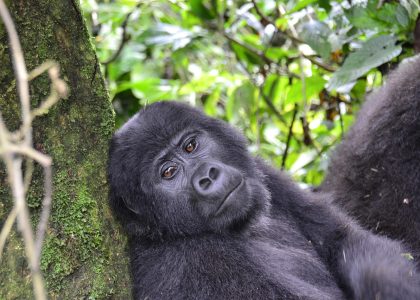
Gorilla Trekking Perfection: Dry trails, clear weather, and excellent visibility make gorilla encounters more comfortable and photogenic. The famous Virunga mists still occur in early morning, creating magical photography conditions without turning trails into muddy obstacles.
Volcano Climbing Glory: Clear summit views are practically guaranteed during this period. Mount Karisimbi’s two-day climb becomes an epic adventure rather than a muddy slog, and the crater lake views from Mount Bisoke are absolutely spectacular.
Akagera at Its Best: Wildlife concentrates around water sources, making game viewing predictable and spectacular. The dry savannah creates classic African photography conditions with golden light and unobstructed views.
Perfect for Beginners: If this is your first Rwanda trip, this season offers the most forgiving conditions and highest success rates for all activities.
The Trade-offs: This is peak tourist season, meaning higher prices, more crowded attractions, and the need to book gorilla permits well in advance. Expect to pay premium rates for accommodation and to share experiences with more fellow travelers.
Short Dry Season (December – February): Secret Season
Rwanda’s best-kept seasonal secret offers many of the same advantages as the long dry season but with fewer crowds and often better prices.
Excellent Conditions: Weather is nearly as good as the long dry season, with minimal rainfall and comfortable temperatures. Most activities remain at optimal conditions.
Holiday Considerations: December and January coincide with holiday periods in many countries, which can mean higher prices around Christmas and New Year, but February often offers excellent value.
Breeding Season Bonuses: Many animals give birth during this period, creating incredible wildlife viewing opportunities. Baby elephants, antelope calves, and increased bird activity make this season special for wildlife enthusiasts.
Photography Gold: Clear skies and excellent light conditions continue, but with fewer tourists in your shots and more authentic experiences.
Long Wet Season (March – May): The Transformation
Don’t let the “wet season” label fool you—this period offers some of Rwanda’s most spectacular experiences for travelers who understand how to embrace it.
Gorilla Trekking Reality: Yes, trails can be muddy and weather unpredictable, but gorilla encounters don’t stop for rain. The lush forest conditions are actually more authentic to how mountain gorillas naturally live, and encounters often feel more intimate with fewer tourists.
Waterfall Season: Rwanda’s waterfalls reach their absolute peak during this period. Nyungwe’s cascades become thundering spectacles, and hidden waterfalls throughout the country create scenes of incredible beauty.
Photography Paradise: The lush, green landscapes during this season are absolutely stunning. Everything is vibrant, flowers bloom, and the scenery reaches peak beauty. Rain often comes in short, intense bursts followed by brilliant sunshine perfect for photography.
Bird Watching Peak: Migrant bird species arrive, making this the absolute best time for serious birders. With over 700 species recorded in Rwanda, the variety during this season is spectacular.
Value Season: Lower tourist numbers mean better prices on accommodation and more personalized experiences. Gorilla permits are easier to secure on shorter notice.
Adventure Considerations: Some activities like volcano climbing can be more challenging due to weather conditions, but for adventurous travelers, this adds to the experience rather than detracting from it.
Short Wet Season (October – November): Shoulder Season Magic
This brief wet season offers unique advantages for different types of travelers.
Excellent Wildlife Viewing: Animals are active, vegetation is lush but not overgrown, and wildlife photography conditions are often ideal with dramatic skies and excellent light.
Fewer Crowds: Tourist numbers are lower, making this an excellent time for travelers who prefer more solitude and authentic experiences.
Moderate Prices: Accommodation rates often fall between high and low season, offering good value without peak season crowding.
Variable Conditions: Weather can be unpredictable, making this season best for flexible travelers who can adapt to changing conditions.
Wazimba Travel Seasonal Strategy: We help clients choose seasons based on their priorities—comfort and reliability during dry seasons, value and authenticity during wet seasons, or specific wildlife and photography goals that align with seasonal conditions.
Getting Around Rwanda: Infrastructure Excellence
Rwanda’s transportation infrastructure is genuinely excellent by African standards, but knowing how to navigate it effectively makes the difference between smooth adventures and frustrating delays.
The Road Network Reality: Rwanda has invested heavily in road infrastructure, and the results are impressive. Most major destinations are accessible by well-maintained paved roads, but understanding the nuances helps optimize travel time and comfort.
Kigali as a Hub: Almost all Rwanda adventures start and end in Kigali, which offers excellent connections to all major destinations. The city’s central location makes it an ideal base for exploring the entire country.
Transportation Options That Actually Work
Private Vehicle with Driver: This is the gold standard for Rwanda travel. Experienced local drivers know roads, conditions, and optimal routes while handling all logistics. Most importantly, they understand local customs and can facilitate authentic interactions.
Self-Drive Reality: While possible, self-driving in Rwanda requires understanding that GPS doesn’t always reflect road conditions, and some destinations require local knowledge to access effectively. We recommend it only for experienced African travelers.
Public Transport Adventures: Rwanda’s public transport system is functional and inexpensive, but requires time, patience, and flexibility. Great for budget travelers and cultural immersion, challenging for tight schedules.
Domestic Flights: Limited but useful for covering large distances quickly. Flights to Akagera and other destinations can save significant travel time for visitors with limited schedules.
Realistic Travel Times
Understanding actual travel times versus theoretical ones prevents schedule disasters:
Kigali to Volcanoes National Park: 2.5 hours of beautiful mountain driving through terraced hills and traditional villages. The journey is scenic enough to be an attraction itself.
Kigali to Akagera National Park: 2-3 hours depending on destination within the park. Eastern gate access is faster, northern sections require longer drives.
Kigali to Nyungwe Forest: 4-6 hours depending on specific destination. This is a full day of travel, but the scenery is spectacular throughout.
Internal Park Transfers: Moving between different areas within parks often takes longer than expected due to road conditions and park regulations.
Wazimba Travel Transportation Insight: We arrange transportation that becomes part of the experience rather than just getting from point A to point B. Our drivers are cultural ambassadors who enhance your Rwanda understanding throughout your journey.
Accommodation: From Luxury to Authentic
Rwanda’s accommodation options range from world-class luxury to authentic community stays, each offering different advantages for different types of travelers.
Luxury Eco-Lodges: Comfort Meets Conservation
Rwanda’s luxury lodges set global standards for combining comfort with environmental responsibility and community benefit.
Volcanoes National Park Area: Several luxury options offer stunning mountain views, excellent service, and convenient access to gorilla trekking. These lodges often contribute significantly to local conservation and community projects.
Akagera Safari Lodges: New luxury options in and around Akagera offer classic safari experiences with modern amenities. Many feature spectacular lake views and authentic safari atmospheres.
Nyungwe Forest Lodges: Luxury accommodations near Nyungwe offer forest views and easy access to canopy walks and primate tracking while maintaining high comfort standards.
Lake Kivu Resorts: Lakeside luxury options offer water sports, spa services, and stunning lake views in settings that feel more like tropical paradises than typical African accommodations.
Mid-Range Options: Quality and Value
Rwanda’s mid-range accommodations often offer the best balance of comfort, authenticity, and value.
Boutique Hotels: Throughout Rwanda, small boutique hotels offer personalized service, local character, and comfortable amenities without luxury price tags.
Eco-Lodges: Many mid-range eco-lodges provide authentic experiences while maintaining environmental standards and supporting local communities.
Guesthouses: Family-run guesthouses offer authentic hospitality and insights into Rwandan culture while providing comfortable accommodation.
Community-Based Accommodation: Authentic Experiences
For travelers seeking authentic cultural immersion, community-based accommodation options offer experiences that luxury lodges cannot replicate.
Homestays: Staying with Rwandan families provides unparalleled cultural insights and authentic interactions. These experiences often include participation in daily activities and traditional meals.
Community Lodges: Several communities operate their own lodges, offering visitors comfortable accommodation while ensuring tourism benefits reach local levels directly.
Cultural Villages: Some traditional villages offer overnight experiences that combine accommodation with cultural activities, traditional meals, and community interactions.
Wazimba Travel Accommodation Philosophy: We match accommodation choices to travel goals rather than just budgets. Sometimes a luxury lodge enhances the experience, sometimes a community homestay provides the authentic connection travelers seek.
Visa Requirements: Easier Than You Think
Rwanda has streamlined visa processes to welcome international visitors, but understanding the options prevents confusion and delays.
Visa on Arrival: Most nationalities can obtain visas on arrival at Kigali International Airport. This process is generally smooth and efficient, but having proper documentation ready speeds the process.
E-Visa Option: Online visa applications can be completed before travel, potentially saving time at the airport. This option works well for travelers who prefer to handle formalities in advance.
East African Tourist Visa: For travelers visiting multiple East African countries, the regional tourist visa offers excellent value and convenience for exploring Rwanda, Uganda, and Kenya on a single visa.
Documentation Requirements: Passport validity, return tickets, and proof of accommodation are standard requirements. Yellow fever vaccination certificates are required if arriving from endemic areas.
Wazimba Travel Visa Support: We provide guidance on visa requirements specific to your nationality and travel plans, helping ensure smooth entry procedures.
Health Preparations: Prevention Beats Treatment
Rwanda’s high altitude and equatorial location create specific health considerations that proper preparation easily addresses.
Altitude Considerations: Much of Rwanda sits above 1,500 meters, which can affect some travelers. Gradual acclimatization and staying hydrated help prevent altitude-related issues.
Malaria Prevention: While malaria risk is lower at Rwanda’s high altitudes, prevention remains important. Appropriate medications and mosquito protection are recommended.
Yellow Fever Requirements: Vaccination certificates are required if arriving from endemic areas. Even when not required, vaccination is often recommended for comprehensive protection.
Water and Food Safety: Rwanda maintains high hygiene standards, but standard travel precautions for water and food remain advisable.
Medical Facilities: Rwanda has excellent medical facilities in major towns, particularly Kigali, but comprehensive travel insurance remains essential.
Fitness Preparation: Some activities like gorilla trekking and volcano climbing require reasonable fitness levels. Specific preparation recommendations depend on planned activities.
Safety Considerations: Africa’s Safest Destination
Rwanda consistently ranks as one of Africa’s safest countries, but understanding local conditions helps ensure trouble-free travels.
Personal Security: Crime rates are low, and violent crime against tourists is extremely rare. Standard travel precautions are usually sufficient.
Political Stability: Rwanda maintains excellent political stability and strong institutions. The country actively promotes tourism and protects visitor interests.
Wildlife Safety: When participating in wildlife activities, following guide instructions is essential. Rwanda’s professional guiding standards are high, but wildlife remains wild.
Road Safety: Rwanda’s roads are generally good, but mountain driving requires caution. Using experienced local drivers is often the safest option.
Emergency Procedures: Rwanda has reliable emergency services and good communication networks. Tourist areas maintain emergency contact systems.
Responsible Tourism: Giving Back
Rwanda’s tourism industry emphasizes community benefit and environmental protection, and travelers can enhance these positive impacts through conscious choices.
Conservation Support: Many tourism activities directly support conservation efforts. Gorilla permits, park fees, and conservation-focused accommodations contribute to wildlife protection and habitat preservation.
Community Benefits: Choosing community-based accommodations, local guides, and community tourism activities ensures tourism benefits reach local levels.
Environmental Responsibility: Rwanda has banned plastic bags and promotes environmental protection. Travelers can support these efforts through conscious choices about consumption and waste.
Cultural Respect: Understanding and respecting Rwandan customs, participating in cultural activities appropriately, and learning basic Kinyarwanda phrases show respect for local culture.
Economic Impact: Supporting local businesses, purchasing authentic crafts directly from artisans, and using local services maximizes tourism’s positive economic impact.
Packing Strategies: What You Actually Need
Rwanda’s diverse activities and varied climates require strategic packing that balances preparedness with practicality.
Essential Gear for Every Rwanda Adventure
Layer-Friendly Clothing: Rwanda’s mountain climate requires layering options. Mornings can be cool, midday warm, and evenings chilly, often on the same day.
Waterproof Protection: Even during dry seasons, afternoon showers are possible. Quality rain gear protects both you and your equipment.
Sturdy Hiking Boots: Whether gorilla trekking or volcano climbing, proper footwear is essential. Boots should be broken in before travel to prevent blisters during activities.
Sun Protection: High altitude means stronger UV exposure. Quality sunscreen, hats, and sunglasses are essential even on cloudy days.
Insect Protection: While malaria risk is lower at altitude, insect protection remains important for comfort and health.
Activity-Specific Packing
Gorilla Trekking Essentials: Gaiters for leg protection, gardening gloves for gripping vegetation, and waterproof camera protection are crucial for forest activities.
Safari Packing: Neutral-colored clothing, binoculars, and camera equipment with extra batteries are essential for Akagera adventures.
Adventure Activities: Technical clothing, proper footwear, and safety equipment are required for volcano climbing and canopy walks.
Cultural Visits: Modest, respectful clothing is important for village visits and cultural activities.
Wazimba Travel Packing Support: We provide detailed packing lists tailored to your specific itinerary and activities, ensuring you have what you need without overpacking.
Budget Planning: Value vs. Cost
Understanding Rwanda’s cost structure helps budget effectively while maximizing value and experience quality.
Major Cost Components
Gorilla Permits: At $1,500 per person, gorilla permits represent a significant expense but include park fees, guide services, and direct conservation support.
Accommodation: Ranges from budget guesthouses to luxury lodges, with mid-range options often offering the best value for comfort and experience.
Transportation: Private vehicles with drivers offer the best experience but cost more than public transport. The convenience and cultural insights often justify the expense.
Activities: Park fees, guide services, and activity costs vary significantly. Understanding what’s included helps evaluate value.
Meals: Food costs vary greatly depending on dining choices. Local restaurants offer excellent value, while lodge dining commands premium prices.
Budget Optimization Strategies
Seasonal Timing: Wet season travel offers significant savings on accommodation and sometimes activities, while still providing excellent experiences.
Group Travel: Many costs like transportation and guide services can be shared, making group travel more economical.
Activity Prioritization: Focusing on must-do experiences while skipping less important activities helps manage costs without sacrificing key experiences.
Accommodation Balance: Mixing accommodation types—luxury for special nights, mid-range for most stays—balances comfort with cost control.
Local Integration: Eating at local restaurants, purchasing supplies locally, and using local services reduces costs while enhancing cultural experiences.
Booking Strategy: Timing and Tactics
Rwanda’s popularity requires strategic booking, especially for limited-availability experiences like gorilla permits.
Gorilla Permit Reality: Permits are genuinely limited and can sell out, especially during peak seasons. Booking 3-6 months in advance is recommended.
Accommodation Availability: Popular lodges, especially during dry seasons, can book far in advance. Early booking ensures availability and sometimes better rates.
Activity Coordination: Some activities require advance booking or have limited daily availability. Coordinating multiple bookings requires careful planning.
Flexibility Advantages: Maintaining some flexibility in dates and activities can lead to better availability and pricing opportunities.
Wazimba Travel Booking Expertise: We handle all booking coordination, ensuring optimal timing for permits, accommodation, and activities while maintaining flexibility where possible.
Ready to Turn Dreams into Plans?
Planning your Rwanda adventure doesn’t have to be overwhelming—it just requires understanding the details that make the difference between good trips and transformative experiences. From seasonal timing that aligns with your priorities to logistics that enhance rather than complicate your adventure, proper planning creates the foundation for Rwanda memories that last lifetimes.
The secret isn’t perfect planning—it’s intelligent planning that balances preparation with flexibility, comfort with authenticity, and dreams with reality. Rwanda rewards travelers who understand its rhythms, respect its culture, and approach it with both preparation and openness to the unexpected.
In our ninth article, we’ll put all this planning knowledge to work by creating specific Rwanda itineraries—from quick gorilla getaways to comprehensive adventures that showcase everything this remarkable country offers. Get ready to see how all these elements combine into actual trips that exceed even your highest expectations.
Ready to transform your Rwanda dreams into concrete plans? Contact the Wazimba Travel team for planning support that handles all the details while preserving all the magic. We’ll create Rwanda adventures that feel effortless while delivering experiences that feel impossible—until they become your memories.