Welcome to the tenth and final article in our Wazimba Travel Rwanda series! We’ve taken you on quite a journey—from misty mountain encounters with gentle giants to sunrise views from volcanic peaks, from coffee farms in ancient hills to cultural renaissance in Africa’s cleanest capital. But here’s what makes Rwanda truly extraordinary: everything you’ve read about isn’t just happening now—it’s accelerating toward a future that’s going to completely redefine what African tourism can be.
Here’s what blew our minds when we started operating in Rwanda: this isn’t just a country that recovered from tragedy or even one that’s found its footing in modern Africa. This is a nation that’s using tourism as a tool for transformation on a scale that no other country has attempted, where every gorilla permit sold and every lodge night booked contributes to a vision so ambitious it sounds impossible—until you see it working. As your local tour operator, we’re not just selling Rwanda trips; we’re offering front-row seats to witness the future of African tourism being written in real time.
Vision 2050: The Most Audacious Tourism Plan on the Continent
Rwanda’s Vision 2050 isn’t your typical government development plan filled with vague promises and impossible timelines. This is a detailed roadmap for transforming Rwanda into a high-income, knowledge-based economy where tourism serves as both economic engine and conservation tool, and frankly, they’re ahead of schedule on almost every metric.
The Singapore of Africa Strategy: Rwanda has studied Singapore’s transformation from developing nation to first-world city-state, adapting those lessons to African realities. The goal isn’t to become Asian—it’s to prove that African nations can achieve first-world development while maintaining cultural authenticity and environmental sustainability.
Tourism as Development Tool: Unlike countries that see tourism as easy money, Rwanda views it as sophisticated economic development that requires infrastructure investment, human capital development, and long-term environmental stewardship. Every tourism dollar is leveraged into broader economic transformation.
The Numbers That Matter: By 2030, Rwanda aims to welcome 5 million visitors annually (currently around 1.5 million), generate $3 billion in tourism revenue, and create 500,000 tourism-related jobs. But here’s the remarkable part—they’re planning this growth while improving rather than degrading environmental conditions.
Conservation Integration: Vision 2050 explicitly links tourism growth to conservation success. More visitors mean more conservation funding, better community benefits, and stronger incentives for environmental protection. It’s the opposite of the tourism-versus-environment trade-offs seen elsewhere.
Infrastructure Excellence: The plan includes continental-standard infrastructure development—new airports, improved roads, digital connectivity, and urban planning that maintains Rwanda’s reputation for cleanliness and efficiency while accommodating massive growth.
Wazimba Travel Vision Insight: We’ve seen the detailed planning behind Vision 2050, and the execution discipline is remarkable. Rwanda doesn’t just set goals—they create systems that make those goals inevitable.
Community Tourism Impact: Sharing Success Stories
Rwanda’s approach to community-based tourism isn’t charity or feel-good marketing—it’s sophisticated economic development that creates sustainable livelihoods while preserving cultural traditions and supporting conservation efforts.
Revenue Sharing That Actually Works: Rwanda mandates that 10% of all park revenue goes directly to local communities, but the real impact comes from how those funds are used. Communities invest in schools, healthcare facilities, clean water projects, and income-generating activities that create prosperity beyond tourism.
The Gorilla Guardian Program: Former poachers become conservation heroes through employment as park rangers, guides, and conservation educators. These programs don’t just change individual lives—they transform entire community attitudes toward wildlife conservation.
Women’s Cooperatives Success: Tourism has enabled hundreds of women’s cooperatives focusing on traditional crafts, agriculture, and hospitality services. These cooperatives provide income, preserve cultural knowledge, and create leadership opportunities for women in traditionally male-dominated societies.
Education Transformation: Tourism revenue funds schools throughout Rwanda, but more importantly, it creates demand for English language skills, hospitality training, and conservation education that prepares young Rwandans for tourism careers.
Healthcare Access: Many remote communities gain access to modern healthcare through tourism-funded clinics and mobile health services that serve both residents and visitors.
Cultural Preservation Paradox: Rather than eroding traditional culture, tourism provides economic incentives for maintaining traditional practices, languages, and customs that might otherwise disappear under modernization pressures.
Real Numbers, Real Impact: In communities around Volcanoes National Park, household incomes have increased by over 300% since gorilla tourism began. School enrollment rates exceed 95%, and child malnutrition has been virtually eliminated.
Community Ownership Models: Many tourism enterprises are actually owned by communities rather than outside investors, ensuring that profits stay local and decision-making remains community-controlled.
Conservation Achievements: Success Beyond Expectations
Rwanda’s conservation success story extends far beyond mountain gorillas, representing one of the most remarkable environmental transformations on the continent.
The Akagera Miracle: When Akagera National Park was established in 1934, it covered over 2,500 square kilometers. By 2010, it had shrunk to less than 1,200 square kilometers due to human encroachment. Today, under joint management with African Parks, Akagera is thriving—wildlife populations are exploding, Big Five animals have returned, and the park generates significant tourism revenue while providing community benefits.
Forest Recovery Against All Odds: Rwanda has increased forest cover from 12% to over 30% since 1990, reversing decades of deforestation through reforestation programs, community forests, and protected area expansion. This isn’t just environmental success—it’s economic development through eco-tourism and carbon credits.
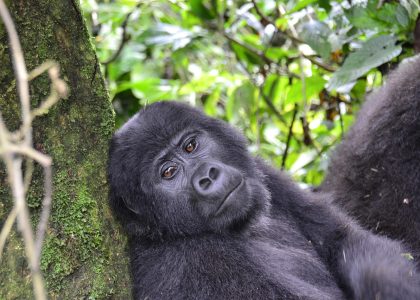
Species Recovery Stories: Mountain gorilla populations have increased from fewer than 300 individuals in the 1980s to over 600 today. Black rhinos were successfully reintroduced to Akagera after being locally extinct for decades. Lions returned to Rwanda in 2015 after disappearing entirely in the 1990s.
Community Conservation Innovation: Rwanda pioneered community-based conservation models that are now replicated across Africa. Local communities become conservation partners rather than obstacles, receiving direct benefits from wildlife protection while gaining voice in conservation decision-making.
Technology Integration: Rwanda uses cutting-edge technology for conservation—satellite monitoring, drone surveillance, and data analytics that prevent poaching while monitoring ecosystem health in real-time.
Carbon Credit Success: Rwanda’s reforestation and forest protection programs generate significant carbon credit revenue, creating additional funding streams for conservation while contributing to global climate change mitigation.
Research and Science: Rwanda hosts some of the world’s most important primate research, providing scientific knowledge that benefits global conservation efforts while attracting scientific tourism that generates premium revenue.
Leading Africa’s Tourism Transformation
Rwanda isn’t just developing its own tourism industry—it’s creating models and standards that other African countries are studying and adopting.
The Rwanda Tourism Model: Other African countries send delegations to study Rwanda’s integrated approach to tourism development, conservation, and community benefit. The “Rwanda Model” is becoming a benchmark for sustainable tourism development across the continent.
Regional Leadership: Rwanda actively shares expertise with neighboring countries, supporting joint tourism initiatives and cross-border conservation projects that benefit the entire East African region.
International Recognition: Rwanda consistently wins international tourism awards and recognition, raising the profile of African tourism globally while challenging stereotypes about African destinations.
Investment Attraction: Rwanda’s tourism success attracts international investment in both tourism infrastructure and conservation projects, creating demonstration effects that benefit other African countries.
Policy Innovation: Rwanda’s tourism policies—from plastic bag bans to community revenue sharing—are being adopted by other countries as best practices for sustainable tourism development.
Professional Standards: Rwanda’s guide training programs, hospitality standards, and service quality set benchmarks that elevate African tourism’s reputation globally.
Marketing Excellence: Rwanda’s tourism marketing focuses on transformation, hope, and positive African narratives rather than poverty tourism or exotic stereotypes, changing how Africa is perceived and marketed globally.
Innovation and Technology: The Digital Tourism Revolution
Rwanda’s embrace of technology isn’t just about efficiency—it’s about creating tourism experiences that are impossible elsewhere while setting standards for the future of African tourism.
Digital Integration: Free WiFi throughout major tourism areas, mobile payment systems, and digital booking platforms make Rwanda more connected than many developed countries. This infrastructure supports both visitor convenience and local business development.
Conservation Technology: Advanced monitoring systems protect wildlife while providing visitors with unprecedented access to conservation science. Real-time tracking of gorilla families ensures optimal visitor experiences while supporting research.
Smart City Development: Kigali’s smart city initiatives create urban tourism experiences that showcase Africa’s technological capabilities while maintaining cultural authenticity.
Education and Training: Technology-enhanced training programs prepare Rwandans for tourism careers while preserving traditional knowledge through digital archives and virtual learning systems.
Sustainable Innovation: Rwanda pioneers sustainable technology solutions—electric buses, renewable energy systems, and waste management innovations that other destinations study and adopt.
Virtual Reality Integration: Some tourism sites use VR technology to enhance visitor experiences while reducing environmental impact on sensitive areas.
Economic Transformation Through Tourism
Rwanda’s tourism industry demonstrates how developing countries can use tourism as a sophisticated economic development tool rather than just foreign currency generation.
GDP Contribution Growth: Tourism now contributes over 14% of Rwanda’s GDP, making it the country’s largest foreign exchange earner. But more importantly, tourism supports broad-based economic development across multiple sectors.
Employment Creation: Tourism directly employs over 200,000 Rwandans, but indirect employment through supply chains, construction, and services affects nearly every family in the country.
Infrastructure Development: Tourism drives infrastructure investment that benefits all Rwandans—roads, airports, telecommunications, and utilities that support both visitors and residents.
Skills Development: Tourism creates demand for English language skills, hospitality training, business management, and technical skills that benefit Rwanda’s broader economic development.
Export Integration: Tourism promotes Rwandan coffee, crafts, and agricultural products internationally, creating export markets that support rural development.
Investment Climate: Tourism success demonstrates Rwanda’s business environment quality, attracting investment in other sectors and supporting broader economic diversification.
Regional Integration: Rwanda’s tourism success supports regional economic integration through joint tourism initiatives and cross-border investment projects.
Environmental Sustainability: The Gold Standard
Rwanda’s commitment to environmental sustainability in tourism isn’t just policy—it’s practice that creates measurable environmental improvements while supporting economic growth.
Carbon Neutral Goals: Rwanda aims to become carbon neutral by 2050, with tourism playing a crucial role through renewable energy adoption, reforestation, and sustainable transportation systems.
Plastic-Free Pioneer: Rwanda’s plastic bag ban, implemented in 2008, was one of the world’s first and most successful. Today, the country is working toward comprehensive plastic reduction across all sectors.
Renewable Energy Leadership: Over 50% of Rwanda’s electricity comes from renewable sources, with tourism facilities leading adoption of solar, hydroelectric, and other clean energy technologies.
Waste Management Innovation: Tourism areas showcase waste management systems that are studied and replicated throughout Africa, demonstrating how environmental protection supports rather than hinders economic development.
Water Conservation: Tourism facilities implement advanced water conservation and treatment systems that ensure sustainable water use while protecting Rwanda’s freshwater resources.
Biodiversity Protection: Tourism revenue funds biodiversity conservation efforts that have resulted in species recovery and habitat restoration far beyond what government budgets alone could achieve.
The Rwanda Experience: Model for African Tourism
What makes Rwanda truly special isn’t just what it offers visitors—it’s how it demonstrates what African tourism can become when vision, execution, and community participation align around long-term sustainability.
Authenticity Without Poverty: Rwanda proves that authentic cultural experiences don’t require maintaining poverty or traditional hardship. Communities can prosper while maintaining cultural identity and traditional practices.
Conservation Through Tourism: Rather than tourism versus environment trade-offs, Rwanda demonstrates how tourism can be the primary funding mechanism for environmental protection and restoration.
Technology and Tradition: Rwanda shows how technology can enhance rather than replace traditional experiences, creating tourism that feels both authentic and modern.
Safety and Adventure: Rwanda’s safety record proves that African destinations can offer serious adventure experiences without compromising visitor security, changing perceptions about African travel.
Efficiency and Soul: Rwanda combines administrative efficiency with genuine warmth and cultural depth, proving that development doesn’t require losing African hospitality and community values.
Your Role in Rwanda’s Future
When you visit Rwanda, you’re not just buying a vacation—you’re investing in a model of development that could transform how Africa participates in the global economy while maintaining environmental sustainability and cultural authenticity.
Conservation Investment: Every gorilla permit sold funds conservation efforts that have brought species back from the brink of extinction while creating sustainable livelihoods for local communities.
Community Development: Tourism spending directly supports education, healthcare, and economic development in rural communities that lack other sources of foreign currency or investment.
Demonstration Effect: International visitors who experience Rwanda’s success return home as advocates for African capabilities, changing global perceptions and supporting African development more broadly.
Policy Influence: Rwanda’s tourism success influences policy discussions throughout Africa and internationally, demonstrating that sustainable development is both possible and profitable.
Future Investment: Today’s visitors often become tomorrow’s investors, supporting Rwanda’s continued development while gaining economic returns from the country’s transformation.
Ready to Be Part of the Future?
Rwanda represents more than a travel destination—it’s proof that African countries can achieve first-world development while maintaining environmental sustainability and cultural authenticity. Visiting Rwanda means witnessing and supporting transformation that could serve as a model for the entire continent.
The experiences we’ve described throughout this series—gorilla encounters in misty mountains, sunrises from volcanic peaks, cultural renaissance in clean cities, and adventure activities in pristine wilderness—these aren’t just vacation activities. They’re glimpses into what African tourism becomes when vision, execution, and community participation create sustainable prosperity.
Rwanda’s story is still being written, and visitors today are part of that story. You’re not just witnessing transformation—you’re supporting it, funding it, and spreading awareness of what’s possible when tourism serves as a tool for broad-based sustainable development.
The future of African tourism is being pioneered in Rwanda right now. Every traveler who experiences what we’ve described in this series returns home with proof that Africa offers experiences that rival any destination globally, delivered with efficiency and safety that exceed most developed countries, while contributing to conservation and community development that creates lasting positive impact.
Thank You for This Journey
We’ve taken you through ten articles exploring every aspect of Rwanda’s remarkable appeal—from mountain gorillas to cultural renaissance, from adventure activities to culinary discoveries, from hidden gems to comprehensive planning guidance. But words, even thousands of them, can only approximate the reality of Rwanda’s transformation and the experiences waiting there.
The real story begins when you arrive in Kigali, breathe that clean mountain air, meet Rwandans whose optimism and resilience will inspire you, and start understanding firsthand why this small country has captured the imagination of travelers worldwide.
Rwanda isn’t just ready for visitors—it’s ready to change how you think about Africa, development, conservation, and what’s possible when human potential is unleashed through vision, hard work, and remarkable leadership.
Ready to be part of Rwanda’s future while creating memories that last lifetimes? Contact the Wazimba Travel team to design experiences that showcase not just what Rwanda offers today, but glimpses of what African tourism is becoming. We’ll create adventures that feel transformative because they are—for you, for the communities you visit, and for conservation efforts that protect some of the world’s most remarkable wildlife and landscapes.
Welcome to Rwanda—Land of a Thousand Hills, where the future of African tourism is being written, and every visitor becomes part of that story.