

Tanzania isn’t just another safari destination—it’s the crown jewel of African wildlife experiences. Home to the Serengeti, Ngorongoro Crater, Mount Kilimanjaro, and Zanzibar’s pristine beaches, Tanzania offers a completeness of experience that few countries can match. This is where the Great Migration reaches its most dramatic crescendo, where ancient volcanic calderas create natural amphitheaters of wildlife, and where endless plains stretch to horizons that seem to curve with the Earth itself.
What makes Tanzania truly exceptional? It’s the sheer scale and variety. The Serengeti ecosystem alone spans 30,000 square kilometers of uninterrupted wilderness—an area larger than several small countries. The Ngorongoro Crater, a UNESCO World Heritage Site, contains the world’s highest density of wildlife within a collapsed volcanic caldera. Tarangire National Park hosts elephant populations that rival anywhere in Africa. And through it all, over two million wildebeest, zebras, and gazelles thunder across the plains in nature’s greatest wildlife spectacle.
At Wazimba Travel, we’ve spent over eight years guiding adventurers through Tanzania’s wild places. While based in Nairobi, our deep connections throughout East Africa mean we know Tanzania intimately—which lodges offer the best wildlife viewing, when to position yourself for migration river crossings, and how to craft itineraries that maximize your time in this vast country. When you safari with us, you benefit from regional expertise that transcends borders.
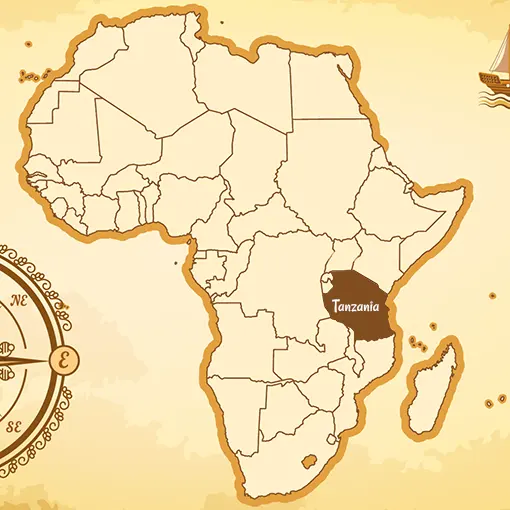
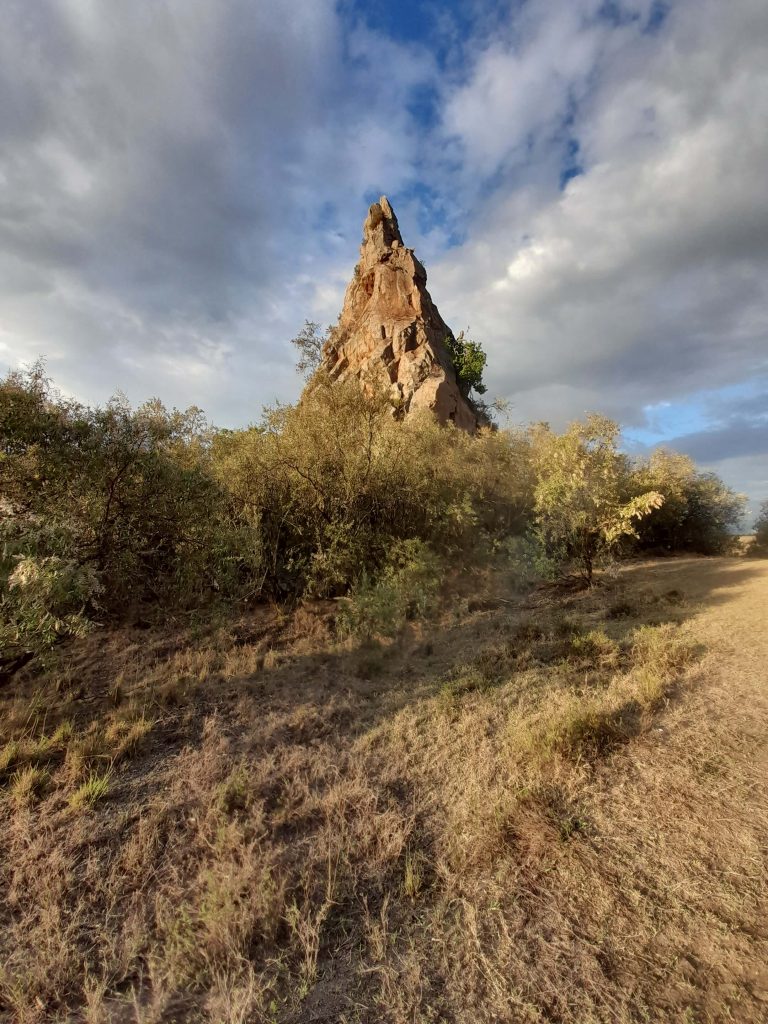
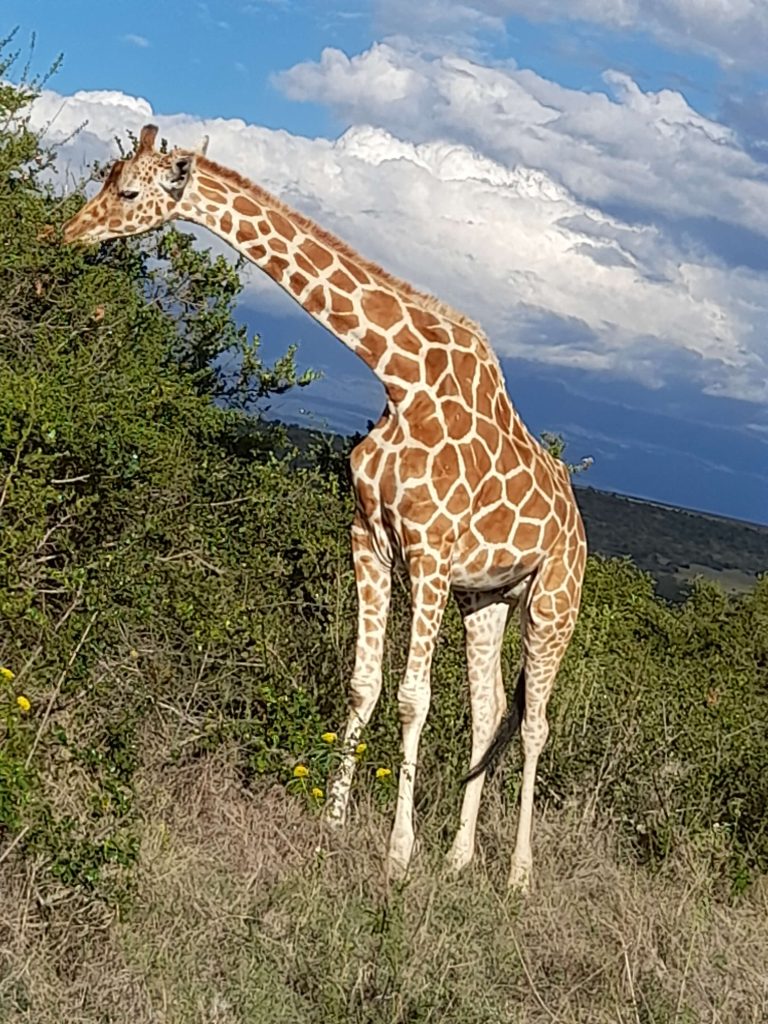
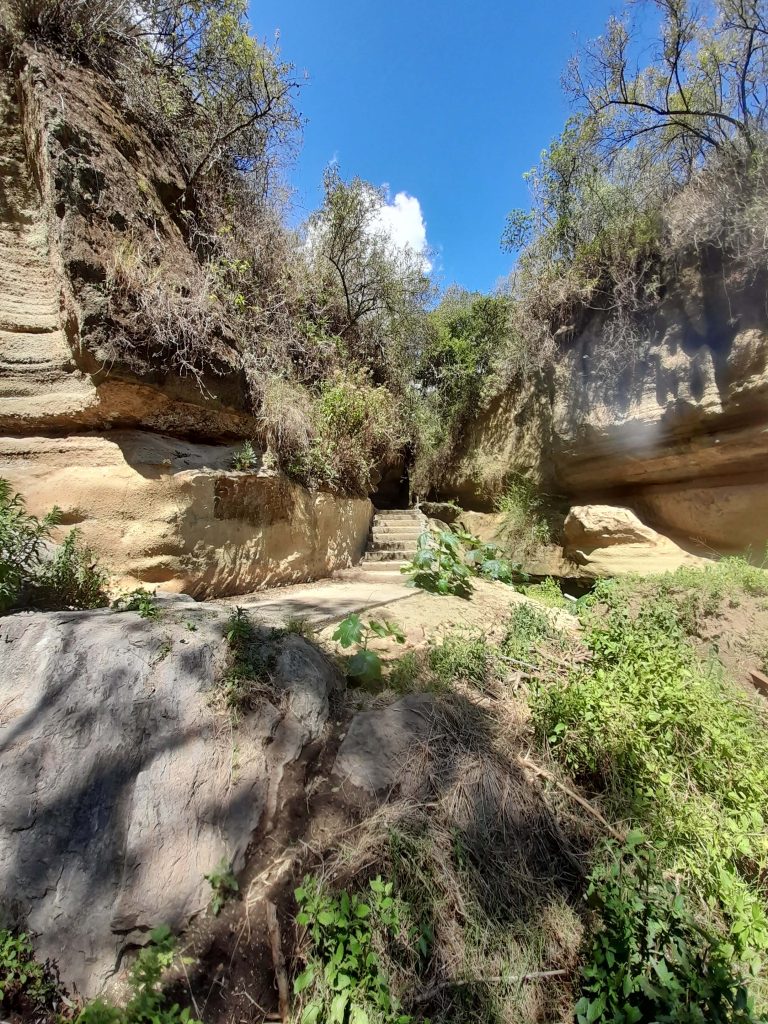
Tanzania’s safari experiences divide into distinct circuits, each offering unique landscapes and wildlife encounters.
The Northern Circuit centers on the legendary Serengeti, Ngorongoro Crater, Lake Manyara, and Tarangire—the destinations that define Tanzania safari experiences. This is the most developed, accessible, and wildlife-rich region of Tanzania.
Serengeti National Park translates from the Maasai word “Siringet,” meaning “endless plains,” and the name proves remarkably accurate. At 14,763 square kilometers, the Serengeti is roughly the size of Northern Ireland, and those plains seem to stretch forever. This is where the Great Migration unfolds, where massive lion prides patrol territories, where cheetahs hunt across open grasslands, and where leopards drape themselves over acacia trees.
The Serengeti isn’t uniform—distinct zones create varied ecosystems. The southern Serengeti’s short-grass plains host the migration from December through March, when hundreds of thousands of calves are born. The western corridor along the Grumeti River sees dramatic river crossings from May through July as the migration moves north. The northern Serengeti and the Mara River create the most famous crossings from July through October, where wildebeest plunge into crocodile-infested waters in desperate attempts to reach Kenya’s Masai Mara.
Central Serengeti around Seronera offers year-round exceptional wildlife viewing. This transitional zone between plains and woodlands supports resident populations that don’t migrate—lions, leopards, elephants, giraffes, and countless others. Even during the off-season, when the migration herds have departed, the Serengeti delivers unforgettable wildlife encounters daily.
Ngorongoro Crater defies expectations. When you first see it—standing at the crater rim looking down into this massive collapsed volcano—the scale doesn’t quite register. The crater floor lies 600 meters below, spanning 260 square kilometers of savannah grassland, acacia woodlands, swamps, and soda lakes. It’s the world’s largest intact volcanic caldera and functions as a natural wildlife sanctuary.
Approximately 25,000 large animals live permanently within the crater—they don’t migrate because everything they need exists within these walls. The crater hosts all of the Big Five, including the critically endangered black rhino. Sightings of rhinos, which have become rare across much of Africa, happen regularly in Ngorongoro. Lions are everywhere—the crater boasts one of Africa’s densest lion populations. Elephants are impressive old bulls with massive tusks, having long since learned that the crater’s bulls are safe from outside threats.
The crater’s unique ecology creates exceptional wildlife viewing in a relatively small area. In a single game drive, you’ll encounter elephants, rhinos, lions, buffalo, hippos, wildebeest, zebras, gazelles, and flamingos painting the crater’s soda lake pink. This concentration makes Ngorongoro ideal for visitors with limited time who want guaranteed spectacular wildlife viewing.
Although smaller at 330 square kilometers (two-thirds of which is the lake itself), punches well above its weight. Ernest Hemingway called it “the loveliest I had seen in Africa,” and his enthusiasm wasn’t misplaced. The park’s groundwater forests, fed by underground springs from the Rift Valley escarpment, create a lush contrast to surrounding arid lands.
Lake Manyara became famous for tree-climbing lions, a rare behavior seen in only a few locations worldwide. Theories about why Manyara’s lions climb trees—escaping insects, seeking cooler temperatures, gaining vantage points—remain debated, but watching a pride lounging on acacia branches defies your mental image of how lions should behave.
The lake itself attracts thousands of flamingos during the wet season, painting the shoreline pink. Over 400 bird species have been recorded in this compact park. Elephants are abundant, and their relaxed behavior allows close approaches. The groundwater forests shelter olive baboons, blue monkeys, and countless other species in dense, photogenic vegetation.
Tarangire offers something different from the Serengeti’s open plains—this is elephant country. Tarangire hosts one of Tanzania’s largest elephant populations, with herds often numbering 300+ individuals during the dry season. The park takes its name from the Tarangire River, which provides year-round water and becomes a wildlife magnet during the dry season (June-October) when elephants, wildebeest, zebras, and other species concentrate along its banks.
The landscape is distinctly beautiful—massive baobab trees dot the savannah like ancient sentinels, their peculiar silhouettes creating iconic African images. During the wet season, the park empties as animals disperse to seasonal water sources, but the dry season transforms Tarangire into one of Tanzania’s most rewarding safari destinations. Wildlife viewing during peak months rivals anywhere in East Africa, with the added advantage of fewer visitors than the Serengeti.


The Southern Circuit sees a fraction of the visitors that flood the northern parks, yet it protects some of Tanzania’s wildest and most beautiful landscapes. This circuit appeals to adventurers seeking genuine wilderness experiences away from tourist crowds.
Selous Game Reserve (recently renamed Nyerere National Park in its northern section) is Africa’s largest protected wildlife area at over 50,000 square kilometers—roughly the size of Switzerland. The sheer scale is difficult to comprehend until you’re there, driving for hours through pristine wilderness without encountering another vehicle.
Selous differs from northern parks in character and activities. The Rufiji River system creates a network of lakes, channels, and wetlands that support exceptional wildlife diversity. Boat safaris on the Rufiji allow intimate encounters with hippos, crocodiles, elephants, and countless waterbirds from perspectives impossible on land. Walking safaris, prohibited in northern Tanzania parks, are a Selous specialty—tracking animals on foot with experienced rangers creates primal connections to the landscape.
Wildlife populations, while not matching the Serengeti’s density, include all major species: lions, leopards, elephants, buffalo, hippos, crocodiles, wild dogs (one of Africa’s most endangered predators), and over 440 bird species. The sense of space and solitude makes every sighting feel more intimate and earned.
Tanzania’s second-largest park at 20,226 square kilometers, occupies the transition zone between East and Southern African ecosystems. This unique position creates exceptional biodiversity—species that don’t occur together elsewhere meet in Ruaha. Both greater and lesser kudu inhabit the park, as do sable and roan antelope rarely seen in northern Tanzania.
The Great Ruaha River creates the park’s lifeline. During the dry season, the river becomes a magnet for wildlife, with elephants, lions, leopards, and countless other species concentrating along its permanent water. Ruaha protects one of Tanzania’s largest elephant populations—approximately 12,000 individuals—and predator viewing is exceptional, with all major species well-represented.
Ruaha remains delightfully uncrowded. You might spend entire game drives encountering only one or two other vehicles. This remoteness and space create safari experiences feeling closer to how Africa was a century ago—raw, wild, and untamed.
Mikumi National Park provides the Southern Circuit’s most accessible destination, lying just four hours from Dar es Salaam along a paved highway. The Mkata Floodplain, surrounded by mountains, creates scenery reminiscent of the Serengeti with better accessibility than Ruaha or Selous. Wildlife includes elephants, giraffes, buffalo, zebras, wildebeest, lions, and leopards in populations that make Mikumi a worthwhile addition to southern itineraries, particularly when combined with Selous or Ruaha.
Western Tanzania remains Tanzania’s least-visited region, attracting only the most adventurous safari-goers. These parks offer authentic wilderness experiences but require significant time and budget commitments to reach.
Katavi National Park, in Tanzania’s remote southwest, protects 4,471 square kilometers of pristine wilderness. During the dry season (May-October), wildlife concentrations along the Katuma River rival anywhere in Africa. Hippo pods sometimes number thousands, creating extraordinary sights and sounds. Buffalo herds can reach 1,000+ individuals. Lions and other predators follow prey concentrations, creating exceptional viewing opportunities.
Katavi sees only about 500 visitors annually—some days you might be the only tourist in the entire park. This exclusivity comes at a cost: reaching Katavi requires expensive charter flights or multiple days of difficult driving. But for those who make the journey, the reward is experiencing Tanzania as it was before tourism, in one of Africa’s last truly wild places.
Mahale Mountains National Park protects one of Africa’s most important chimpanzee populations in a stunning lakeside setting on Lake Tanganyika. Unlike forest chimp tracking elsewhere, Mahale combines pristine beaches, crystal-clear lake swimming, and chimpanzee encounters in mountains overlooking the world’s second-deepest lake.
Mahale’s chimpanzees have been studied since the 1960s (similar to Jane Goodall’s work in Tanzania’s Gombe), creating habituated groups comfortable with human observers. Tracking involves hiking through forests in search of chimp calls, then observing these remarkable primates—our closest genetic relatives—as they feed, groom, play, and interact. Success rates exceed 90%.
Reaching Mahale requires flying to Kigoma, then taking a boat across Lake Tanganyika. It’s expensive and time-consuming, but combining chimp tracking with lakeside relaxation creates a completely different Tanzania experience from traditional safari.


No Tanzania adventure is complete without experiencing the coast—particularly Zanzibar, the semi-autonomous archipelago famous for spice history, pristine beaches, and turquoise waters.
Zanzibar (specifically Unguja Island, though the name refers to the entire archipelago) offers the perfect safari conclusion. After days of early wake-ups, dusty game drives, and intense wildlife encounters, Zanzibar’s beaches provide ideal recovery. The island combines history, culture, and natural beauty into a compact, accessible package.
Stone Town, Zanzibar’s historic capital, reflects centuries of Swahili, Arab, Persian, Indian, and European influences. Narrow winding streets lead past ancient buildings where carved doors tell stories of wealth and status. The Arab Fort, House of Wonders, old slave market, and bustling markets create atmospheric exploration. Spice tours reveal why Zanzibar was called the “Spice Island”—cloves, nutmeg, cinnamon, and black pepper still grow on plantations established centuries ago.
The beaches deliver on every tropical paradise fantasy. Nungwi and Kendwa in the north offer powdery white sand and swimming regardless of tide. Paje and Jambiani on the east coast provide kitesurfing and more local atmosphere. Matemwe offers quieter scenes with traditional fishing villages. Water activities include snorkeling, diving (particularly Mnemba Atoll), dhow sailing, and dolphin encounters.
Mafia Island, less developed and touristy than Zanzibar, appeals to divers and those seeking genuine isolation. The Mafia Island Marine Park protects exceptional coral reefs, where whale sharks appear seasonally (October-March). The island’s beaches and lodges offer barefoot luxury in settings that feel wonderfully remote.
Tanzania contains Africa’s highest peak and several other dramatic mountains that complement traditional safari experiences.
Mount Kilimanjaro rises 5,895 meters above sea level, making it Africa’s tallest mountain and the world’s highest free-standing mountain. Climbing Kilimanjaro requires no technical mountaineering skills—it’s a tough trek rather than a technical climb—making the summit accessible to fit individuals with proper acclimatization.
Multiple routes lead to the summit, ranging from the heavily-trafficked Marangu Route (nicknamed the “Coca-Cola Route” for its relative ease) to the more scenic and challenging Machame, Lemosho, and Rongai routes. Climbing takes 5-9 days depending on route and acclimatization strategy. Success rates vary from 45-90% based on route and length of trek—longer routes allowing better acclimatization significantly improve summit chances.
Kilimanjaro climbing combines well with safari experiences. Many Tanzania visitors climb Kilimanjaro first (or after safari), creating adventures that span Africa’s highest peak and its greatest wildlife spectacles.
Mount Meru (4,566 meters), Tanzania’s second-highest peak, offers excellent acclimatization for Kilimanjaro or stands alone as a worthwhile trek. Located in Arusha National Park, Meru climbing passes through diverse ecosystems from montane forest through moorland to alpine desert. Wildlife encounters—including buffalo, elephants, and giraffes in lower zones—add safari elements to the climbing experience. The trek typically takes 3-4 days and sees far fewer climbers than Kilimanjaro.

Tanzania offers excellent opportunities for encountering all of Africa’s Big Five, particularly in the Northern Circuit parks.
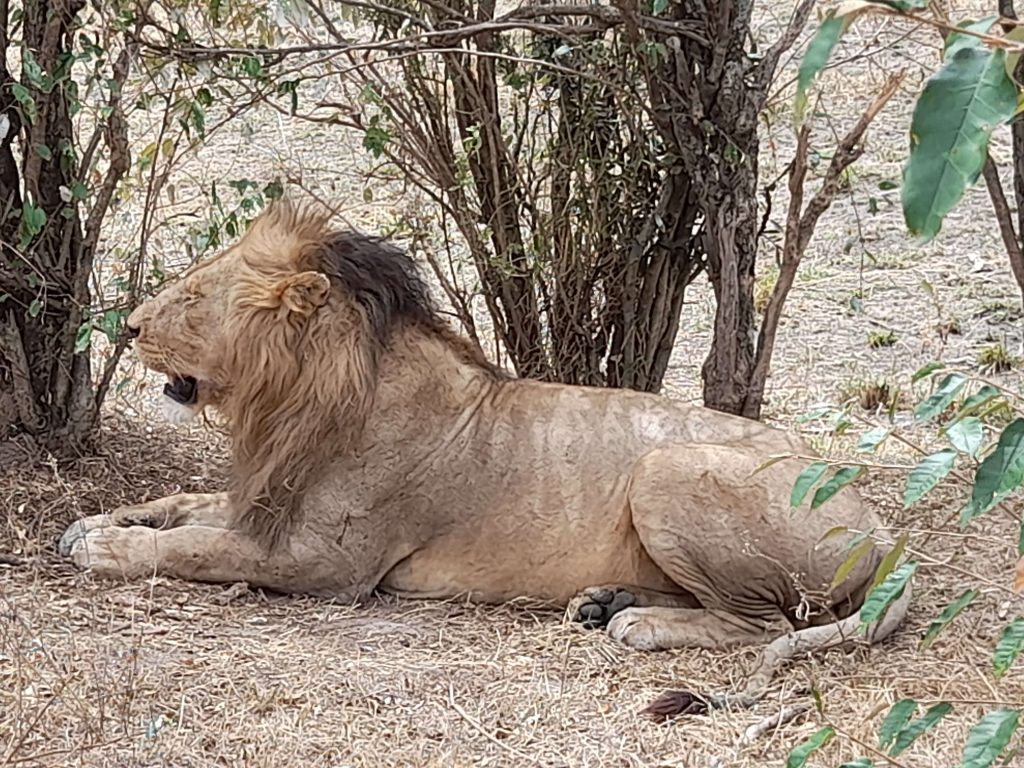
Lions are Tanzania’s most reliably spotted big predator. The Serengeti alone hosts approximately 3,000 lions—the largest concentration anywhere in Africa. Pride structures vary by region: in the Serengeti’s woodlands, prides of 20-30 individuals are common; in open plains, prides tend smaller. Ngorongoro Crater’s lions have been extensively studied, revealing fascinating insights into pride dynamics, territory defense, and hunting strategies.
Lion viewing in Tanzania feels different from Kenya—the landscapes are more dramatic, the sense of space greater. Watching a Serengeti pride hunting across open plains, with vast horizons stretching in every direction, creates scenes that define the African safari experience.
Leopards, though naturally elusive, appear with surprising regularity in Tanzania’s parks. The Serengeti’s central woodlands around Seronera host numerous leopards that have grown comfortable with vehicles. These solitary cats often spend daylight hours resting in acacia trees, making them easier to spot than in regions where they remain purely nocturnal. Dawn and dusk game drives dramatically increase leopard sighting chances.
Tarangire and Lake Manyara also offer excellent leopard viewing. The combination of trees, rocky outcrops, and varied terrain creates ideal leopard habitat. With patience and good guiding, leopard sightings in Tanzania are increasingly common.
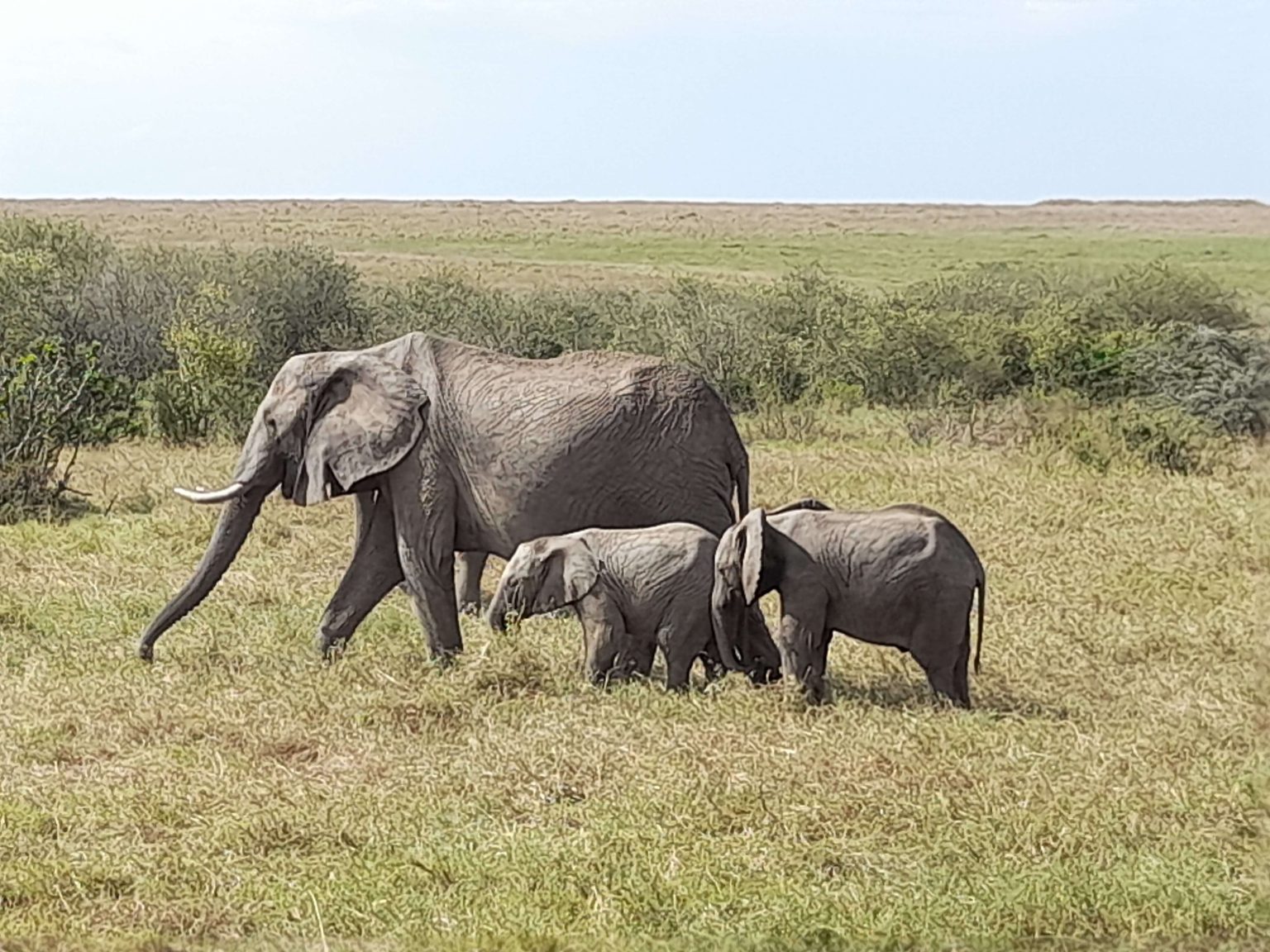
Elephants are abundant throughout Tanzania. Tarangire hosts some of East Africa’s largest elephant populations, with dry-season concentrations sometimes reaching 3,000+ individuals. The southern parks—Selous/Nyerere and Ruaha—protect massive elephant populations in wilderness settings. The Serengeti’s elephants, while less concentrated, are everywhere, wandering the plains in family groups that showcase complex social behaviors.
Watching elephants interact reveals remarkable intelligence and emotion. Mothers guide calves with trunks and gentle nudges. Teenagers engage in playful wrestling. Matriarchs lead families with purpose and knowledge accumulated over decades. These observations, repeated across Tanzania’s parks, never grow old.
Buffalo move in herds that sometimes blacken entire hillsides. The Serengeti, Ngorongoro, and southern parks all host massive buffalo populations. Despite their bovine appearance and generally docile behavior around vehicles, buffalo are considered Africa’s most dangerous animal when wounded or cornered—their unpredictability and power demand respect.
From safari vehicles, watching massive buffalo herds move across the landscape like dark tides, accompanied by countless egrets picking insects, creates spectacular scenes that emphasize Africa’s scale and wildlife abundance.
Rhinos, both black and white species, have faced severe poaching pressure throughout Africa. Tanzania’s rhino populations, decimated in the 1970s-80s, have not recovered as successfully as Kenya’s or South Africa’s. However, Ngorongoro Crater protects a small but stable black rhino population, offering Tanzania’s most reliable rhino viewing. Other protected rhino sanctuaries exist but aren’t accessible to general tourism.
Every rhino sighting in Tanzania reminds visitors of conservation’s critical importance and the ongoing battle against poaching that threatens these prehistoric-looking megaherbivores.
The Great Migration represents nature’s most spectacular wildlife event—over two million wildebeest, 500,000 zebras, and countless gazelles moving in a continuous cycle following seasonal rains and fresh grass. Though the migration moves between Tanzania and Kenya, the majority of this natural spectacle occurs in Tanzania.
The migration never truly stops—it’s a continuous circular movement through the Serengeti ecosystem. However, distinct phases occur in predictable seasons:
The short-grass plains of the southern Serengeti and Ngorongoro Conservation Area host the migration during these months. This is calving season, when approximately 500,000 calves are born in a synchronized explosion of life occurring over just 2-3 weeks (typically late January through early February).
The timing isn’t coincidental—calving en masse overwhelms predators, ensuring that while some calves fall to lions, hyenas, cheetahs, and leopards, most survive. This period offers extraordinary predator viewing as lions, cheetahs, and hyenas feast on vulnerable newborns and weakened mothers. The plains turn green from recent rains, creating beautiful backdrops for wildlife photography.
As the plains dry and grass depletes, the migration begins moving northwest toward the Western Corridor and the Grumeti River. April-May sees scattered herds moving through the Serengeti’s central areas, though these months fall during the long rains and see fewer tourists.
By June, massive columns of wildebeest stretch across the Western Corridor, approaching the Grumeti River. The Grumeti crossings, while less famous than the Mara River crossings, offer equally dramatic scenes. Large Nile crocodiles, having waited months for this feast, strike at crossing wildebeest in explosive attacks.
The Western Corridor remains significantly less visited than the northern Serengeti, meaning Grumeti crossings often happen with only one or two vehicles present—a more intimate experience than the sometimes-crowded northern crossings.
This period represents peak migration viewing and peak tourist season. The herds mass in the northern Serengeti, facing the Mara River—the migration’s most dangerous obstacle. The Mara River flows year-round, creating deeper, faster-moving water than the Grumeti. Massive crocodiles patrol below.
Wildebeest gather at river banks, sometimes thousands strong, building nervousness until one finally plunges in. Then chaos: hundreds or thousands follow in blind panic, leaping from high banks into the water below. Some land on rocks or each other. Some drown. Crocodiles strike from below. But most make it across, climbing out on the far bank and continuing north into Kenya’s Masai Mara.
These crossings are completely unpredictable—herds might gather for days before crossing, or cross immediately. They might cross at the same point repeatedly, or choose different points miles apart. This unpredictability creates both frustration (you might wait hours or days) and excitement (when it happens, it’s spectacular).
The herds begin returning south as the short rains green the southern plains. The return journey is less dramatic—wildebeest cross back across the Mara River and move south through the central and western Serengeti. By December, they’re back on the southern plains, where the cycle begins again.
Tanzania’s wildlife extends far beyond the famous species.
Cheetahs, Africa’s fastest land animals, hunt across the Serengeti’s open plains. The southern Serengeti offers particularly excellent cheetah viewing during the calving season, when these elegant predators target vulnerable young. Unlike lions and leopards, cheetahs hunt during daylight, making encounters more likely on game drives.
Hyenas, often unfairly maligned, are actually highly intelligent and successful predators. Their eerie nighttime calls fill African nights. Spotted hyenas hunt cooperatively and steal kills from other predators with equal efficiency. Watching hyena clan dynamics reveals complex social structures rivaling primates.
Wild dogs (African painted dogs), one of Africa’s most endangered large predators, roam Selous/Nyerere, Ruaha, and occasionally the southern Serengeti. These highly social hunters cooperate with remarkable efficiency, pursuing prey across long distances and sharing kills communally. Wild dog sightings represent special privileges—fewer than 7,000 remain in the wild across all of Africa.
Giraffes—Tanzania hosts two distinct subspecies: Masai giraffes in northern parks and the rarer reticulated giraffes in some southern areas. Watching giraffes browse on acacia trees, their impossibly long necks and legs creating graceful silhouettes against African skies, never loses its magic.
Hippos dominate water sources throughout Tanzania. The Katuma River in Katavi hosts one of Africa’s highest hippo concentrations—pods sometimes numbering thousands. These seemingly docile herbivores are actually Africa’s most dangerous large animal to humans, responsible for more deaths than any other big animal. From boats or vehicles, though, observing their social interactions, territorial disputes, and comical yawns creates memorable encounters.
Tanzania records over 1,100 bird species—more than half of all African bird species. This extraordinary diversity reflects varied ecosystems from coastal mangroves to mountain forests to alkaline lakes to savannah grasslands.
The Serengeti alone hosts over 500 bird species. Secretary birds stalk across plains hunting snakes. Massive lappet-faced vultures and Rüppell’s griffon vultures circle overhead. Kori bustards, Africa’s heaviest flying birds, strut through grass. Lilac-breasted rollers provide splashes of brilliant color. African fish eagles perch near water with distinctive calls echoing across the landscape.
Lake Manyara attracts flamingos by the thousands during wet seasons, painting the lake pink. Over 400 bird species have been recorded in this compact park, making it a birding hotspot.
The southern parks—Selous/Nyerere, Ruaha, and Katavi—host numerous species less common in northern Tanzania. The Rufiji River system in Selous attracts spectacular waterbirds: African skimmers, saddle-billed storks, goliath herons, pel’s fishing owls, and countless others.
Tanzania’s forests and mountains host Albertine Rift endemics and montane specialists that don’t occur in savannah areas. For serious birders, Tanzania provides lifetime lists that grow substantially over even a single safari.
Tanzania offers excellent safari experiences year-round, though distinct seasons bring different advantages and challenges.
June through October represents Tanzania’s peak tourist season, and for good reasons:
Exceptional Wildlife Viewing – The dry season concentrates animals around permanent water sources. Rivers, waterholes, and the few remaining water sources become wildlife magnets, making animals easier to locate and observe. In the Serengeti, this period sees the Great Migration in the northern regions and spectacular Mara River crossings.
Reliable Weather – Sunny, clear days dominate. Morning temperatures start cool but warm nicely by midday. Rainfall is minimal, though short showers can occur. Roads are in excellent condition, making all parks accessible.
Photography Conditions – Clear skies, good visibility, and concentrated wildlife create ideal photography conditions. The generally dry landscapes emphasize wildlife subjects without overly dense vegetation obscuring views.
Challenges – Peak season means peak crowds and peak prices. The Serengeti’s northern regions during July-October can feel busy, with multiple vehicles at popular river crossing points. Accommodations book months in advance, and prices reach annual highs. However, even during peak season, Tanzania’s parks feel less crowded than Kenya’s Masai Mara due to the Serengeti’s vast size.
January through March delivers fantastic conditions often overlooked by visitors focused on the June-October peak:
Calving Season Spectacle – The Great Migration masses on the southern Serengeti plains during these months, with approximately 500,000 wildebeest calves born in late January/early February. This synchronized birth creates extraordinary predator viewing as lions, cheetahs, leopards, and hyenas feast on vulnerable young.
Beautiful Landscapes – After the short rains, landscapes glow green and lush. The short-grass plains of the southern Serengeti become carpeted in fresh grass, creating stunning photography backdrops.
Good Weather – January and February offer generally dry, pleasant weather. March sees the long rains beginning, though early March can still be excellent.
Better Value – Prices are lower than June-October peak season, and crowds are moderate. You’ll have more intimate wildlife experiences with fewer vehicles at sightings.
April and May bring Tanzania’s long rains—a season many overlook but that rewards flexible, adventurous travelers:
Dramatic Transformation – Landscapes explode in green as rains rejuvenate vegetation. Waterfalls run at full force. The Serengeti’s usually brown plains become emerald carpets. This transformation creates spectacular photography opportunities.
Migratory Birds – European and North African bird species arrive, dramatically increasing diversity. Birders love this season.
Low Prices and Availability – Accommodation prices drop 30-50% compared to peak season. You’ll often have parks largely to yourself. This exclusivity, combined with lower costs, appeals to budget-conscious travelers and those seeking solitude.
Challenges – Afternoon rain showers are common, though mornings often dawn clear. Some roads, particularly in the southern parks, can become difficult. Wildlife viewing is more challenging as thick vegetation obscures animals, and water availability everywhere means animals spread out rather than concentrating.
Wildlife Remains Present – Unlike Kenya, where the migration departs completely during certain months, Tanzania always hosts massive wildlife populations. The Serengeti’s resident animals—lions, leopards, elephants, giraffes, buffalo—remain year-round regardless of migration movements.
Great Migration River Crossings: July to October in the northern Serengeti/Mara River. Late June through July for Western Corridor/Grumeti River crossings.
Calving Season: Late January through early February in the southern Serengeti for the birth spectacle and predator action.
Cheetah Viewing: January to March in the southern Serengeti when cheetahs target newborn wildebeest.
General Wildlife Viewing: June to October offers the most reliable viewing, though January-March is equally excellent with better value.
Birding: November to April when migratory species are present, though resident birds make any season worthwhile.
Photography: June-October for classic golden-grass Serengeti scenes. January-March for green landscapes. April-May for dramatic lighting and lush vegetation.
Best Value: April-May and November for lowest prices and smallest crowds.
Beach After Safari: June to October offers best weather, though beach destinations like Zanzibar have multiple seasons affected by Indian Ocean monsoons rather than just mainland rain patterns.
Tanzania accommodates every safari style and budget, from basic camping to ultra-luxury lodges rivaling anywhere globally.
Camping safaris bring you closest to Tanzania’s wild heart. Fall asleep to distant lion roars and hyena whoops, wake to countless birds greeting dawn, and experience African skies unpolluted by artificial light. Tanzania allows camping in official campsites within and near most parks.
Public campsites provide basic facilities: toilets, water, and designated camping areas. Your tour operator provides tents, sleeping bags, camp chairs, and cooking equipment. Camp cooks prepare hot meals over open fires—the quality often surprises first-time campers. Private campsites, operated by safari companies, offer improved facilities with better locations, though costs increase slightly.
Budget camping suits adventurous travelers prioritizing wildlife experiences over accommodation luxury. You’ll spend the same time on game drives as luxury safari guests—you just sleep under canvas instead of in lodges. For many travelers, camping creates more authentic connections with environments and enhances the overall adventure.
Mid-range safaris balance comfort and adventure beautifully. You’ll stay in permanent tented camps or lodges with en-suite bathrooms, comfortable beds, electricity, and excellent food. These accommodations often occupy prime locations overlooking waterholes, rivers, or plains where wildlife comes to you.
Mid-range Tanzania properties frequently exceed expectations. Imagine spacious safari tents with proper beds, hot showers, verandas for private wildlife viewing, swimming pools to cool off during midday heat, and dining experiences featuring both international and local Tanzanian cuisine. Many mid-range properties in the Serengeti occupy locations as good as luxury lodges at half the price.
This category works well for families, couples, first-time safari-goers, and anyone wanting comfort without luxury price tags. You’ll sleep well, eat well, and spend your budget on experiences rather than unnecessary luxury.
Luxury safari lodges and camps in Tanzania rank among Africa’s finest. Picture waking in a suite with floor-to-ceiling windows overlooking the Serengeti plains, enjoying private game drives with your own guide and vehicle, returning to sundowner cocktails and gourmet dinners under star-filled skies.
Luxury properties limit guest numbers, ensuring intimate experiences. Many employ expert naturalists and conservationists as guides. Service anticipates needs before you recognize them yourself. Spas, private plunge pools, libraries, and designer interiors create five-star comfort in wilderness settings. Properties like Singita Serengeti lodges, andBeyond Ngorongoro Crater Lodge, Four Seasons Serengeti, and others set global luxury safari standards.
The difference between mid-range and luxury often comes down to finishing touches, exclusivity, and personalization. Both categories deliver excellent wildlife viewing—luxury adds exceptional service, exquisite design, and often better locations.
For those seeking Tanzania’s ultimate experiences, bespoke safaris are completely customized. Want to fly between camps via private charter? Interested in mobile camping following the migration? Hoping to combine Serengeti safari with Kilimanjaro climbing and Zanzibar beaches? Bespoke safaris deliver without compromise.
These experiences typically include private guides and vehicles throughout, stays in exclusive-use camps or private conservancies, and activities designed around your specific interests. Whether photography, birding, conservation, or simply wanting the best of everything, bespoke safaris create personalized adventures that exceed all expectations.
3-4 Days provides meaningful introduction to Tanzania’s Northern Circuit. You’ll typically visit Ngorongoro Crater and either Tarangire or Lake Manyara, seeing substantial wildlife and experiencing Tanzania’s dramatic landscapes. This duration suits travelers with limited time or those combining safari with Zanzibar beaches.
5-7 Days represents the sweet spot for first-time Tanzania safaris. This allows visiting Tarangire or Lake Manyara, Ngorongoro Crater, and spending 2-3 days in the Serengeti—enough time to explore different Serengeti regions and have multiple game drives. You’ll see abundant wildlife across diverse ecosystems without feeling rushed.
7-10 Days creates comprehensive Northern Circuit experiences. You can include all major parks (Tarangire, Lake Manyara, Ngorongoro, and extensive Serengeti time), follow migration movements, and include special activities like bush walks, hot air balloon safaris, or cultural visits. This duration allows rest days, unhurried game viewing, and truly memorable experiences.
10+ Days opens opportunities for in-depth Northern Circuit exploration or adding southern parks, western parks, Kilimanjaro climbing, or Zanzibar extensions. You might combine the Serengeti with Selous/Nyerere in the south, or add Mahale Mountains for chimpanzee tracking. Extended time allows experiencing Tanzania’s full diversity.
Most international visitors fly into either Kilimanjaro International Airport (JRO), located between Arusha and Moshi, or Julius Nyerere International Airport (DAR) in Dar es Salaam. Kilimanjaro Airport serves the Northern Circuit, while Dar es Salaam serves the Southern Circuit and onward connections to Zanzibar.
Arusha, the safari capital of Tanzania, sits about 45 minutes from Kilimanjaro Airport. Most Northern Circuit safaris begin and end in Arusha. From Arusha, distances to major parks:
For those with limited time or larger budgets, scheduled flights connect Arusha with most Northern Circuit parks. Flying saves substantial time and offers spectacular aerial perspectives of Tanzania’s varied landscapes. The most common route flies from Arusha to various Serengeti airstrips, dramatically reducing what would be a full day’s drive to just 45-60 minutes.
Our safaris use well-maintained 4×4 Toyota Land Cruisers with pop-up roofs—these vehicles are specifically designed for game viewing, ensuring everyone has window seats and excellent visibility for photography. Unlike minibuses or vans used by some budget operators, Land Cruisers handle Tanzania’s varied terrain and provide superior game viewing experiences.
Yellow Fever: Not required for direct entry to Tanzania from most countries. However, if arriving from or transiting through yellow fever risk countries, vaccination certificate is mandatory.
Malaria: Malaria prevention is strongly recommended for all Tanzania safari areas, including Zanzibar. The Ngorongoro Crater rim sits at high altitude with lower malaria risk, but all other parks fall within malarial zones. Consult a travel medicine specialist 6-8 weeks before departure for personalized prophylaxis recommendations.
Vaccinations: Hepatitis A, typhoid, and tetanus are recommended. Routine vaccinations (measles, mumps, rubella) should be current. Some travelers receive rabies vaccination, particularly if planning rural activities or extended stays.
Safety: Tanzania’s national parks are very safe. Crime within parks is virtually nonexistent. Professional guides understand animal behavior and maintain appropriate distances. Millions visit Tanzania annually with overwhelmingly positive, safe experiences.
In cities like Arusha and Dar es Salaam, use standard urban precautions: don’t display expensive items, use registered taxis, avoid walking alone at night, and stay aware of surroundings. The tourism industry is well-established, and visitors are generally welcomed and treated respectfully.
Altitude: Ngorongoro Crater rim lodges sit at approximately 2,300 meters (7,500 feet). Some visitors experience mild altitude effects: headaches, shortness of breath, or difficulty sleeping. These typically resolve within 24 hours as you acclimatize. If climbing Kilimanjaro, altitude becomes much more significant and requires proper acclimatization strategies.
Layered Clothing works best—mornings start cool, days warm considerably, and evenings require layers again. Neutral colors (khaki, brown, green, gray) are traditional though less critical than often claimed. Avoid dark blue and black, which attract tsetse flies in some areas.
Essential Items Include:
What NOT to Bring:
Leave space in your luggage—Tanzania’s markets offer beautiful souvenirs: Maasai beadwork, Tingatinga paintings, Makonde carvings, and tanzanite jewelry (tanzanite is found only in Tanzania).
Safari costs vary enormously based on accommodation standards, group size, season, and activities. Understanding what influences costs helps you make informed decisions.
Budget Camping Safaris start around $200 per person per day. These typically include:
Budget safaris deliver authentic experiences and identical game viewing to luxury options—you simply sleep in tents rather than lodges, and share vehicles with other travelers.
Mid-Range Lodge Safaris average $300-500 per person per day. These include:
Mid-range represents excellent value—comfortable beds, good food, often stunning locations, at reasonable prices. Many mid-range properties in prime locations rival luxury lodges in wildlife viewing opportunities.
Luxury Safari Experiences range from $500-1,500+ per person per day. These include:
Tanzania’s luxury lodges compete globally for design, service, and locations. Properties like Singita, Four Seasons, andBeyond, and others deliver experiences justifying premium pricing.
Bespoke Safaris exceed $1,500 per person per day and include:
What’s Typically Included in Safari Costs:
What’s Additional:
As a local East African operator, Wazimba Travel works directly with Tanzania lodges, camps, and ground operators without international middlemen. This direct relationship means better prices for you—you’ll stay in the same properties and visit the same parks as travelers who booked through expensive international companies, but at more competitive rates. We’re transparent about costs from the start—no hidden fees or unwelcome surprises.
Tanzania’s cultural diversity matches its ecological diversity. Over 120 ethnic groups with distinct languages, traditions, and histories create rich cultural experiences that complement wildlife viewing.
The Maasai, semi-nomadic pastoralists traditionally measuring wealth in cattle, have become synonymous with East African culture. Many Tanzania safari itineraries include visits to Maasai villages (called bomas or manyattas) near the Serengeti and Ngorongoro.
During cultural visits, you’ll learn about traditional Maasai life: their distinctive jumping dances (adumu), intricate beadwork and traditional dress, the importance of cattle in Maasai culture, and how younger generations balance tradition with modernity. You might visit traditional homes (enkaji), observe warriors demonstrating fire-making using only sticks, or participate in beading activities.
These cultural exchanges, when done respectfully through responsible operators, benefit local communities economically while preserving cultural heritage. The key is ensuring visits are authentic cultural exchanges rather than staged tourist shows, and that revenue flows directly to communities.
Near Lake Eyasi, not far from the Ngorongoro Conservation Area, live the Hadzabe (or Hadza)—one of Africa’s last remaining hunter-gatherer tribes. The Hadzabe maintain lifestyles remarkably unchanged for thousands of years: hunting with bows and arrows, gathering wild plants, and living without agriculture or domesticated animals.
Visiting Hadzabe communities offers rare glimpses into humanity’s ancient past. You might join morning hunts (observers only), learn about traditional plant uses, see how they make fire without matches, and hear their unique click language. These visits require cultural sensitivity and should be arranged through responsible operators who ensure visits benefit the Hadzabe directly.
The Hadzabe face pressures from encroaching agriculture, changing land use, and modernization. Tourism, when done properly, provides income that helps the Hadzabe maintain their traditional territories and lifestyles.
Tanzania’s coast reflects centuries of Indian Ocean trade, blending African, Arab, Persian, Indian, and European influences. Stone Town in Zanzibar exemplifies this fusion through architecture, cuisine, language, and traditions.
Exploring Stone Town reveals carved Zanzibari doors (each telling stories through their designs), the House of Wonders, Sultan’s Palace, Old Fort, bustling markets, and winding streets where getting lost becomes part of the adventure. Spice tours explain Zanzibar’s historical importance in the spice trade—cloves, nutmeg, cinnamon, vanilla, and pepper still grow on plantations.
Zanzibar’s darker history includes the slave trade. The Old Slave Market and adjacent Anglican Cathedral, built on the site where slaves were held and sold, offer sobering reminders of this painful history. These sites are handled respectfully, providing historical context essential for understanding the region.
Tanzanian cultural performances showcase incredible diversity. Different ethnic groups maintain distinct musical traditions using unique instruments: the thumb piano (kalimba), various drums, traditional stringed instruments, and horns.
Maasai dances involve jumping competitions where warriors leap vertically from standing positions—impressive displays of strength and agility. Coastal taarab music blends Arabic and African influences with poetic Swahili lyrics. Makonde people from southern Tanzania maintain intricate carving traditions and distinctive dances.
Many lodges arrange evening cultural performances where local groups share traditional music, explain cultural significance, and often invite guests to participate. These aren’t merely tourist entertainment but authentic expressions of living cultures.
Tanzania pioneered wildlife conservation in Africa, establishing Serengeti National Park in 1951 and making national parks central to its identity. Today, Tanzania protects approximately 38% of its land area—one of the highest percentages globally.
The Serengeti ecosystem represents one of conservation’s greatest success stories. While poaching pressures exist, wildlife populations have remained relatively stable or increasing for decades. The Great Migration continues uninterrupted, predator populations are healthy, and the ecosystem functions largely as it has for millennia.
This success results from strong park management, anti-poaching efforts, and crucially, tourism revenue that makes wildlife economically valuable. The Tanzania National Parks Authority (TANAPA) and Ngorongoro Conservation Area Authority (NCAA) reinvest park fees into conservation, ranger salaries, anti-poaching units, and infrastructure.
Tanzania increasingly recognizes that conservation succeeds only when local communities benefit. Several models demonstrate this principle:
Wildlife Management Areas (WMAs) allow communities to manage wildlife on their land, generating income through tourism while maintaining traditional land uses. The most successful WMAs create incentives for conservation—communities protecting wildlife receive tourism revenue, while those allowing poaching lose these benefits.
Revenue Sharing Programs direct portions of park fees to communities bordering national parks. These funds support schools, health clinics, water systems, and livelihood projects. While implementation has faced challenges, the concept remains sound: communities must benefit tangibly from wildlife to support conservation.
Community Campsites near parks provide income to villages while offering tourists authentic cultural experiences. These campsites employ local staff, purchase local food, and channel revenue directly to communities.
Tanzania faces ongoing conservation challenges:
Poaching: While elephant and rhino poaching has decreased from crisis levels of the 2000s, illegal hunting continues, driven by international demand for ivory and rhino horn. Anti-poaching efforts require constant vigilance and funding.
Human-Wildlife Conflict: As human populations grow and expand into wildlife areas, conflicts increase. Lions kill livestock; elephants raid crops. Solutions require compensation schemes, better land-use planning, and community involvement in conservation benefits.
Climate Change: Changing rainfall patterns affect migration timing, water availability, and vegetation growth. Long-term impacts remain uncertain but potentially significant.
Funding Constraints: Conservation requires substantial ongoing funding. While tourism generates significant revenue, economic downturns (like COVID-19) dramatically reduce income while conservation costs continue.
When you choose responsible operators like Wazimba Travel, your Tanzania safari creates positive conservation impacts:
Every safari booking becomes a vote for conservation—proving that living wildlife generates more value than dead wildlife ever could.
Tanzania’s location and excellent wildlife viewing make it ideal for multi-country East African adventures.
Combining Tanzania and Kenya creates the ultimate Great Migration experience. The migration moves between the two countries in a continuous cycle, and experiencing both sides reveals the full scope of this natural spectacle.
Combined Itinerary Might Include:
Tanzania offers larger spaces and often fewer crowds in similar-quality wildlife areas. Kenya provides easier accessibility and excellent luxury lodge options. Together, they showcase East Africa’s incredible wildlife diversity comprehensively.
This combination contrasts Tanzania’s vast savannahs with Rwanda’s mountain gorillas—a diversity of experience hard to match.
Typical Combination:
This creates comprehensive experiences: the Great Migration’s scale, Ngorongoro’s concentrated wildlife, and the profound emotional impact of mountain gorilla encounters. Flying between countries keeps transfers reasonable.
Combining Tanzania’s savannah safari with Uganda’s primates creates exceptional diversity.
Comprehensive Itinerary:
This combination delivers the Big Five, Great Migration, mountain gorillas, chimpanzees, and tree-climbing lions—comprehensive East African wildlife experiences.
The most popular Tanzania combination adds Zanzibar after safari—the classic “bush and beach” experience. After days of early wake-ups, dusty game drives, and intense wildlife encounters, Zanzibar’s beaches provide perfect recovery.
Direct flights connect Serengeti airstrips or Arusha with Zanzibar, making transitions seamless. Most travelers spend 3-5 days in Zanzibar, though longer stays are common. This combination allows one trip to encompass both wildlife adventure and tropical beach relaxation.
Many adventurous travelers combine Kilimanjaro climbing with safari. The combination works beautifully:
Option 1: Climb first, then safari. This means starting active and ending relaxed—many prefer this progression.
Option 2: Safari first, then climb. Wildlife viewing acclimatizes you to altitude (many parks sit at 1,500-2,000 meters), potentially helping Kilimanjaro success.
Typical Timeline:
This creates 2-3 week adventures encompassing Africa’s highest peak, greatest wildlife spectacles, and Indian Ocean beaches.
As East African safari specialists with deep Tanzania connections, we offer distinct advantages for your Tanzania adventure:
Regional Expertise: Based in Nairobi with operations throughout East Africa since 2017, we know Tanzania intimately despite our Kenya base. We maintain strong relationships with Tanzania’s best guides, lodges, and ground operators, giving you access to excellent service at competitive prices.
Local Connections, Better Value: Working directly with Tanzanian partners without international markup chains means better pricing. You’ll stay in the same lodges and visit the same parks as travelers who paid significantly more through expensive overseas operators—you just booked more intelligently through local experts.
Honest, Realistic Advice: We’ll tell you truthfully what to expect, recommend realistic itineraries over rushed schedules, and suggest what genuinely suits your interests and budget. Sometimes we recommend Kenya over Tanzania for specific situations, or suggest different routes than you initially planned—our reputation depends on delivering experiences that exceed expectations, not maximizing bookings.
Flexible, Personalized Itineraries: We don’t do cookie-cutter safaris. Tell us your interests (migration focus? Photography? Combining with Kilimanjaro? Family-friendly?), your budget, and your timeline, and we craft itineraries specifically for you. Want to spend more time in the Serengeti? Prefer smaller lodges to large hotels? Interested in walking safaris? We adapt accordingly.
Comprehensive East African Planning: Unlike operators specializing in single countries, our regional expertise allows seamless multi-country adventures. Combining Tanzania with Kenya, Rwanda, or Uganda? We handle complex logistics across borders, different park systems, various flights, and coordinating everything smoothly.
Transparent Pricing: We’re completely transparent about costs from the beginning. Tanzania safari costs can be confusing—park fees, concession fees, and various other charges add up. We break down exactly what you’re paying for, with no hidden fees or unpleasant surprises.
24/7 Support: From initial planning through your return home, we’re available. Questions about packing? Concerns about migration timing? Issues during travel? We respond quickly and solve problems proactively. Your Tanzania safari is our priority.
Quality Without Compromise: We work only with lodges, camps, and guides meeting our quality standards. We’ve personally vetted every property we recommend, ensuring they deliver the experiences we promise. Your satisfaction builds our reputation—we take that seriously.
Perfect for: First-time safari-goers with limited time
Highlights: Ngorongoro Crater, Tarangire elephants, diverse ecosystems
Day 1: Arrive Kilimanjaro Airport, transfer to Arusha, overnight at comfortable hotel
Day 2: Drive to Tarangire National Park (2 hours), full-day game drive among elephants and baobabs, overnight Tarangire lodge
Day 3: Morning Tarangire, afternoon drive to Ngorongoro (3 hours), overnight crater rim lodge
Day 4: Morning descent into Ngorongoro Crater for game drive, afternoon return to Arusha, evening departure or Zanzibar connection
This condensed itinerary delivers substantial wildlife viewing in iconic locations. You’ll see elephants, lions, rhinos, and countless other species across two distinct ecosystems. Perfect for combining with Zanzibar or as an introduction before longer safaris.
Perfect for: First-time Tanzania visitors wanting comprehensive experience
Highlights: Serengeti, Ngorongoro Crater, Tarangire, all major ecosystems
Day 1: Arrive Kilimanjaro, transfer to Arusha hotel
Day 2: Drive to Tarangire (2 hours), afternoon game drive, overnight Tarangire
Day 3: Morning Tarangire, drive to Ngorongoro (3 hours), overnight crater rim
Day 4: Morning Ngorongoro Crater tour, afternoon drive to Serengeti (4 hours), overnight central Serengeti
Day 5: Full day Serengeti game drives, overnight Serengeti
Day 6: Morning game drive, afternoon drive to Arusha (6-7 hours) or fly to Arusha, evening departure
This week-long safari covers Tanzania’s main Northern Circuit highlights at comfortable pace. You’ll experience the crater’s concentrated wildlife, Tarangire’s elephants, and the Serengeti’s vastness with time to truly absorb each location.
Perfect for: Witnessing the Great Migration
Highlights: Following migration movements, Serengeti diversity, Ngorongoro
Day 1: Arrive Kilimanjaro, overnight Arusha
Day 2: Fly to Serengeti (migration location based on season), afternoon game drive
Day 3: Full day migration area game drives
Day 4: Morning game drive, afternoon relocate within Serengeti following migration
Day 5: Full day game drives in new location
Day 6: Morning Serengeti, transfer to Ngorongoro (4 hours)
Day 7: Morning Ngorongoro Crater tour, afternoon at leisure on crater rim
Day 8: Morning relaxation, fly to Arusha/Kilimanjaro for departure
This itinerary focuses intensively on the migration, positioning you where herds concentrate based on season. Multiple days in migration areas increase river crossing viewing chances (though sightings can never be guaranteed—wildlife doesn’t follow schedules!).
Perfect for: Comprehensive Tanzania exploration
Highlights: All Northern Circuit parks, migration, cultural experiences
Day 1: Arrive Kilimanjaro, overnight Arusha
Day 2: Drive to Tarangire (2 hours), full-day game drive
Day 3: Morning Tarangire, afternoon drive to Lake Manyara (1 hour), overnight Manyara
Day 4: Morning Lake Manyara game drive, afternoon drive to Ngorongoro (2 hours)
Day 5: Full day Ngorongoro Crater
Day 6: Drive to Serengeti (4 hours), afternoon game drive, overnight central Serengeti
Day 7: Full day central Serengeti game drives
Day 8: Transfer to northern or western Serengeti (migration location), afternoon game drive
Day 9: Full day migration area game drives
Day 10: Morning game drive, fly to Arusha, evening departure or Zanzibar extension
This comprehensive itinerary includes all major Northern Circuit parks with adequate time in each. You’ll see incredible wildlife diversity, experience different Serengeti regions, and have multiple opportunities for extraordinary encounters.
Perfect for: Ultimate Tanzania experience combining safari and beach
Highlights: Complete Northern Circuit, migration, Stone Town, beach relaxation
Days 1-8: Follow 8-Day Migration Safari itinerary
Day 9: Fly Serengeti to Zanzibar, Stone Town exploration and spice tour
Day 10: Transfer to beach resort, relaxation
Day 11: Beach day: snorkeling, diving, water sports, or pure relaxation
Day 12: Morning beach relaxation, afternoon flight to Dar es Salaam for international connections
This combination delivers complete Tanzania experiences—the migration’s drama, Ngorongoro’s wildlife concentration, and Zanzibar’s beaches and culture. You’ll return home with comprehensive memories of Tanzania’s incredible diversity.
Perfect for: Combining savannah and mountain gorillas
Highlights: Migration, Ngorongoro, gorilla trekking, cultural depth
Days 1-7: Tanzania Northern Circuit safari (Tarangire, Ngorongoro, Serengeti)
Day 8: Fly Kilimanjaro to Kigali, Genocide Memorial visit, overnight Kigali
Day 9: Drive to Volcanoes National Park (2-3 hours), village walk, overnight near park
Day 10: Morning gorilla trekking, afternoon relaxation or second activity
Day 11: Drive to Lake Kivu (3 hours), beach relaxation
Day 12: Lake Kivu water activities and relaxation
Day 13: Return to Kigali (3 hours), afternoon city exploration
Day 14: Morning at leisure, afternoon/evening departure
This combination contrasts the Serengeti’s vast scale with Rwanda’s intimate mountain gorilla encounters—a diversity of experience showcasing East Africa’s incredible range.
Yes. Tanzania is generally safe for tourists, particularly in national parks where crime is virtually nonexistent. Professional guides understand animal behavior and maintain appropriate distances. Millions visit Tanzania annually with overwhelmingly positive, safe experiences.
In cities like Arusha, Dar es Salaam, and Zanzibar, use standard urban precautions: don’t display expensive items, use registered taxis, avoid walking alone at night in deserted areas, and stay aware of surroundings. The tourism industry is well-established, and visitors are generally welcomed respectfully.
Most nationalities require visas, which cost $50-100 depending on your nationality. Visas can be obtained:
US citizens pay $100; most other nationalities pay $50. Check current requirements for your specific nationality before travel.
For Great Migration river crossings: July-October (northern Serengeti/Mara River) or June-July (western Serengeti/Grumeti River)
For calving season: Late January through early February (southern Serengeti)
For best general wildlife viewing: June-October or January-March
For lowest prices and smallest crowds: April-May or November
For photography: June-October for classic dry-season scenes; January-March for green landscapes; April-May for dramatic lighting
Truth is, Tanzania functions excellently year-round. Wildlife remains abundant even during wet seasons, and the Serengeti always hosts something spectacular.
Costs vary enormously based on accommodation level, group size, season, and duration:
These rates typically include accommodations, meals, game drives, park fees, and guides. International flights, visas, tips, and optional activities are additional.
Tanzania park fees are substantial (Serengeti costs $70+/adult/day), so budget safaris can’t go too low without compromising quality. Mid-range often represents the best value.
Absolutely! The migration spends approximately 8-10 months annually in Tanzania. The most dramatic phases—calving season (January-February) and Mara River crossings (July-October)—both occur in Tanzania. The Serengeti hosts the migration longer than Kenya’s Masai Mara.
Both countries offer world-class safaris with distinct characters:
Tanzania advantages:
Kenya advantages:
Many travelers visit both countries, experiencing their complementary strengths.
Essential items include:
Avoid single-use plastics (banned in Tanzania) and pack in soft bags rather than hard suitcases (easier in safari vehicles).
Yes! Tanzania safaris work wonderfully for families. Most lodges welcome children, though some have minimum age restrictions (often 6-12 years depending on property). Children find safari naturally engaging—the combination of adventure, animals, and outdoor experiences creates magical memories.
Consider itinerary pacing for families: shorter drives, more activities, lodges with pools, and flexibility for rest periods keep children happy and engaged.
The Serengeti, particularly during peak migration season (July-October) in northern areas near popular river crossing points, can see multiple vehicles at major sightings. However, the Serengeti’s vast size means you’ll spend most of your time with few or no other vehicles visible.
Ngorongoro Crater, being compact, sees more vehicle concentration. Early morning starts help avoid crowds.
Overall, Tanzania feels less crowded than Kenya’s Masai Mara, and southern/western Tanzania parks see very few visitors.
In prime areas like the Serengeti and Ngorongoro, you’ll almost certainly see:
Leopards and cheetahs require more luck but are frequently spotted in the Serengeti. Rhinos appear regularly in Ngorongoro Crater. Wild dogs are rare but occasionally seen in southern parks.
The Great Migration, when present, guarantees extraordinary wildlife viewing—millions of animals create scenes impossible to miss.
Absolutely! This combination is popular and works beautifully. Most travelers either:
The total adventure takes 2-3 weeks and encompasses incredible diversity: Africa’s highest peak, greatest wildlife spectacles, and optionally tropical beaches.
Malaria prevention is strongly recommended for all Tanzania safari areas and coastal regions including Zanzibar. The Ngorongoro Crater rim sits at high altitude with lower malaria risk, but all other areas fall within malarial zones.
Consult a travel medicine specialist 6-8 weeks before departure for personalized recommendations. Multiple effective prophylaxis options exist—your doctor will recommend based on your medical history and trip itinerary.
Tanzania awaits with its endless plains, the greatest wildlife spectacle on Earth, volcanic craters teeming with life, and beaches where turquoise waters meet white sand. Whether you’re dreaming of witnessing the Great Migration’s river crossings, photographing lions against Serengeti sunsets, standing on the Ngorongoro Crater rim looking down at 25,000 animals, or combining safari with Zanzibar’s spice-scented breezes, Tanzania delivers beyond imagination.
At Wazimba Travel, we’ve helped hundreds of adventurers create their perfect Tanzania safari experiences. Our East African expertise, direct Tanzania relationships, and personalized service ensure your safari exceeds expectations while respecting your budget. We handle every detail—park logistics, accommodations, migration timing, and activities—so you focus entirely on the experience.
Ready to start planning? Contact us today for a free consultation and custom itinerary. Tell us about your dream Tanzania safari—your interests, dates, budget, and any special requirements—and we’ll craft a personalized adventure designed just for you.
Contact Wazimba Travel:
📞 Call/WhatsApp: +254-110-525-484 | +254-720-809-041
📧 Email: info@wazimbatravel.com
⏰ Response Time: Within 24 hours
Your East African adventure begins here. Let’s create memories that last a lifetime.
Since 2017, Wazimba Travel has been crafting authentic East African safari experiences. As a locally-owned operator with deep regional connections throughout Kenya, Tanzania, Uganda, and Rwanda, we combine intimate knowledge with personalized service to create safaris that exceed expectations. Browse our Tanzania safari packages, read our East African travel blog, or contact us directly to start planning your Tanzania Great Migration, wildlife adventure, and beach escape.
☏ Call/WhatsApp: +254-110-525-484 +254-720-809-041
✉ Email: info@wazimbatravel.com
⌚ Response time: Within 24 hours
