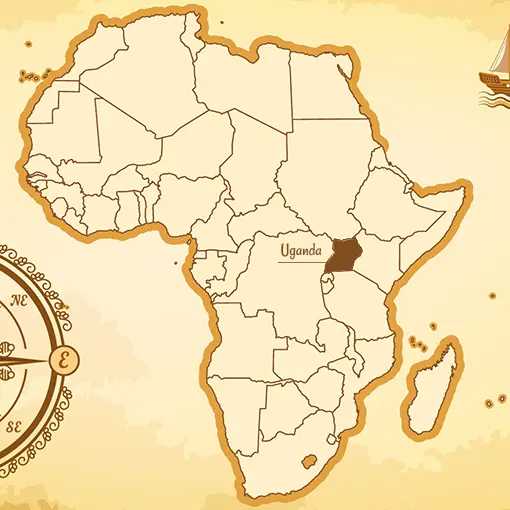
Winston Churchill called Uganda “The Pearl of Africa,” and once you experience this extraordinary country, you’ll understand why. While Kenya and Tanzania claim fame for their vast savannahs and massive wildlife herds, Uganda offers something profoundly different—an intimate, diverse, and deeply rewarding safari experience that combines primates, wildlife, adventure, and stunning landscapes.
Uganda is where you’ll track mountain gorillas through misty rainforests, watch tree-climbing lions lounge in ancient fig trees, raft the source of the Nile, and encounter chimpanzees in their natural habitat. This is a country where 10 national parks pack incredible diversity into a relatively compact area, where half the world’s remaining mountain gorillas live, and where wildlife encounters feel personal rather than distant.
At Wazimba Travel, we’ve been guiding adventurers through Uganda’s wild places since 2017. As East African safari specialists based in Nairobi, we work closely with Uganda’s best guides, lodges, and conservation programs. Our deep regional knowledge ensures your Uganda safari exceeds expectations, from securing gorilla permits to crafting itineraries that showcase Uganda’s remarkable diversity.

Uganda protects approximately half of the world’s remaining mountain gorillas across two national parks: Bwindi Impenetrable Forest and Mgahinga Gorilla National Park. Unlike Rwanda, where gorilla trekking is streamlined but expensive, Uganda offers a more affordable, adventurous experience with multiple habituated gorilla families to visit.
Gorilla trekking in Uganda isn’t just about the destination—it’s about the journey. You’ll hike through dense montane forests draped in mist, navigate steep terrain with experienced trackers, and eventually sit within meters of a gorilla family going about their daily lives. Watching a silverback gorilla—a 200-kilogram gentle giant—calmly munching bamboo while youngsters somersault and play creates moments that fundamentally shift your perspective on wildlife and conservation.
Beyond gorillas, Uganda hosts 13 primate species, including our closest genetic relatives: chimpanzees. Kibale Forest National Park holds the highest concentration of primates in Africa, with over 1,500 chimpanzees living in the forest. Chimpanzee tracking here offers success rates above 90%.
Watching chimpanzees in the wild reveals behaviors eerily similar to humans: tool use, complex social hierarchies, conflict resolution, and nurturing family bonds. The forest echoes with their hoots, screams, and laughter—yes, chimpanzees laugh when playing. You’ll also encounter red colobus monkeys, L’Hoest’s monkeys, grey-cheeked mangabeys, and the acrobatic black-and-white colobus.
Many visitors don’t realize Uganda offers exceptional traditional safari experiences alongside its primate attractions. Queen Elizabeth National Park, Murchison Falls National Park, and Kidepo Valley National Park all deliver Big Five wildlife viewing—lions, elephants, buffalo, leopards, and even the newly reintroduced rhinos.
The Kazinga Channel in Queen Elizabeth National Park hosts one of Africa’s highest concentrations of hippos. Murchison Falls protects Uganda’s largest elephant population. Kidepo Valley, remote and rarely visited, offers wilderness experiences rivaling anywhere in Africa. Tree-climbing lions, found in only two places in Africa, regularly lounge in the fig trees of Queen Elizabeth’s Ishasha sector.
Uganda’s nickname as “The Pearl of Africa” reflects its extraordinary natural beauty. The country spans the equator, encompasses the source of the Nile, contains Africa’s tallest mountain range (the Rwenzori Mountains), and shelters ancient rainforests older than the Amazon.
From the savannah grasslands of Kidepo to the montane forests of Bwindi, from the thundering Murchison Falls where the Nile explodes through a 7-meter gorge to the serene crater lakes scattered across the landscape, Uganda’s diversity rivals entire regions of Africa. The western rift valley creates a dramatic landscape of lakes, volcanoes, and forests that sustains extraordinary biodiversity.
Uganda offers adventure activities that complement traditional wildlife viewing. White-water rafting on the Nile at Jinja rates among the world’s best, with class V rapids that thrill even experienced rafters. The Rwenzori Mountains offer multi-day treks through otherworldly alpine landscapes. Lake Bunyonyi, one of Africa’s deepest lakes, provides peaceful kayaking, swimming, and island hopping.
The southwestern corner of Uganda contains the country’s most famous attractions: mountain gorillas, chimpanzees, and some of East Africa’s most beautiful landscapes.
It truly lives up to its intimidating name. This ancient rainforest, designated a UNESCO World Heritage Site, clings to steep mountain slopes along the edge of the Albertine Rift. “Impenetrable” accurately describes the dense vegetation—you’ll understand why trackers use machetes to navigate.
Bwindi hosts 19 habituated gorilla families distributed across four sectors: Buhoma, Ruhija, Rushaga, and Nkuringo. Each sector offers distinct experiences. Buhoma, the original tracking area, has the most developed infrastructure. Rushaga offers the most gorilla families (eight), increasing permit availability. Nkuringo involves the steepest terrain but often allows starting treks from higher elevations, potentially reducing hiking intensity.
Beyond gorillas, Bwindi protects 120 mammal species and 350 bird species, including 23 Albertine Rift endemics found nowhere else. The forest itself, over 25,000 years old, predates the last ice age and represents one of Africa’s most biodiverse ecosystems.
Uganda’s smallest national park, forms part of the Virunga Massif shared with Rwanda and Democratic Republic of Congo. Three dramatic volcanic peaks dominate the landscape: Mount Muhabura, Mount Gahinga, and Mount Sabyinyo (where Uganda, Rwanda, and DRC meet at a single point).
Mgahinga hosts one habituated gorilla family, the Nyakagezi group, though this family occasionally crosses into Rwanda. The park also offers golden monkey tracking—these rare primates, found only in the Virungas, display gorgeous gold and orange fur. The volcanic landscape creates stunning photographic backdrops for your gorilla encounters.
It is Uganda’s most visited park, combines classic savannah safari with unique ecosystems. The park spans 1,978 square kilometers of diverse habitats: grassy plains, tropical forests, wetlands, and crater lakes.
The Kazinga Channel, a 32-kilometer waterway connecting Lake Edward and Lake George, hosts one of Africa’s densest hippo and crocodile populations. Boat safaris along the channel guarantee exceptional wildlife viewing—elephants drinking at the water’s edge, buffalo herds grazing on the banks, and countless waterbirds including African fish eagles, saddle-billed storks, and colorful kingfishers.
Queen Elizabeth’s Ishasha sector in the south offers something special: tree-climbing lions. Scientists debate why Ishasha’s lions climb trees (theories include escaping tsetse flies, seeking cooling breezes, or gaining elevated vantage points), but watching lions lounging on fig tree branches defies expectations of how Africa’s apex predators behave.
The park’s northern section features the Kasenyi plains, traditional savannah habitat where lions hunt kob antelope. The Kyambura Gorge, a forested ravine carved through the savannah, shelters a small chimpanzee community and creates a dramatic landscape contrast.
Kibale Forest National Park holds the title of primate capital of the world. This 795-square-kilometer tropical rainforest in western Uganda protects 13 primate species, including over 1,500 chimpanzees—the highest density anywhere in Africa.
Chimpanzee tracking in Kibale offers 90%+ success rates. Morning treks depart at dawn, following trackers who monitor chimp communities. When you find them, you’ll spend one hour observing these remarkable creatures—our closest genetic relatives sharing 98.7% of our DNA. Watch them feed on figs, groom each other, patrol territories, care for infants, and interact with complex social dynamics that mirror human behavior.
Beyond chimps, Kibale hosts the rare L’Hoest’s monkey, red colobus monkeys (whose populations have declined dramatically across Africa), black-and-white colobus, blue monkeys, grey-cheeked mangabeys, and Uganda’s mangabey. The surrounding Bigodi Wetland Sanctuary offers excellent birding with over 200 species recorded.

Murchison Falls National Park, Uganda’s largest protected area, spans 3,893 square kilometers of savannah, riverine forest, and wetland along the Victoria Nile. The park takes its name from Murchison Falls, where the entire Nile River explodes through a 7-meter-wide gorge, creating one of the world’s most powerful waterfalls.
Wildlife populations here have recovered dramatically from civil war-era poaching. Murchison now hosts Uganda’s largest elephant population—recent surveys count over 1,300 individuals. Lions are abundant, leopards spotted regularly, and the Nile harbors massive Nile crocodiles and hippo pods numbering in the thousands.
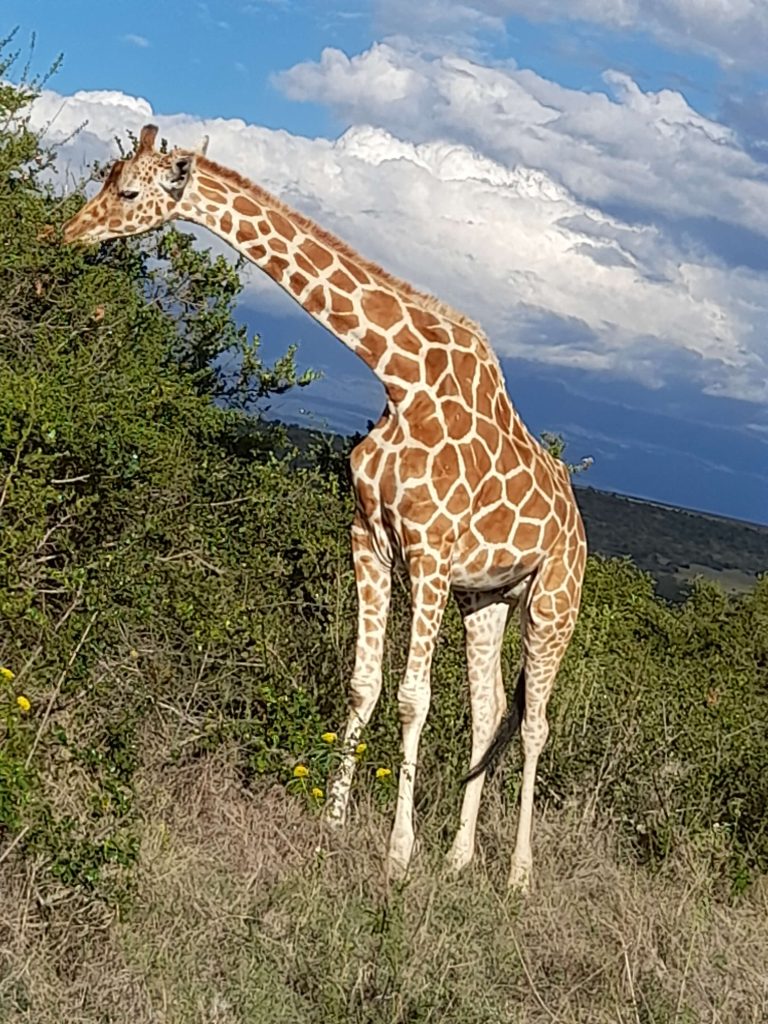
The northern bank offers classic savannah game drives across rolling grasslands where Rothschild’s giraffes (a highly endangered subspecies), Jackson’s hartebeest, Uganda kob, and oribi graze. The southern bank, more forested, provides habitat for chimpanzees in Budongo Forest.
Boat safaris to the base of Murchison Falls rank among Uganda’s best wildlife activities. You’ll cruise past hippos, crocodiles, elephants drinking at the river’s edge, and countless waterbirds. The journey culminates at the falls’ base, where the Nile’s fury creates perpetual rainbows and deafening roars.
Kidepo Valley National Park, in Uganda’s remote northeastern corner bordering South Sudan and Kenya, offers Africa’s most authentic wilderness experience. This park sees fewer visitors than any other major Ugandan park, creating a sense of genuine discovery.
Kidepo’s landscape differs dramatically from the rest of Uganda—it’s dry, dramatic, and dominated by the rugged Morungole Mountains. Game viewing here rivals Kenya’s famous parks: lions, leopards, cheetahs (rare in Uganda), elephants, buffalo, and over 77 mammal species including several found nowhere else in Uganda like bat-eared foxes, caracals, and aardwolves.
The Narus Valley in the park’s south concentrates wildlife around permanent water, creating exceptional game viewing during dry seasons. Birders treasure Kidepo—it hosts nearly 500 bird species, including several endemic to the Karamoja region.
Reaching Kidepo requires commitment—it’s a full day’s drive from Kampala or a short flight to the park’s airstrip. But travelers who make the journey find an Africa that feels unchanged by time, where you might spend entire game drives without encountering another vehicle.
Jinja is where Lake Victoria narrows to become the Nile, offers the adventure capital of East Africa. White-water rafting here navigates class III to class V rapids through stunning scenery—forested gorges, riverbanks alive with birds, and remote sections of the Nile few people see.
Beyond rafting, Jinja offers kayaking, stand-up paddleboarding, bungee jumping over the Nile, quad biking, and sunset cruises. The Source of the Nile monument marks where the world’s longest river begins its 6,650-kilometer journey to the Mediterranean.
Mount Elgon National Park protects an extinct volcano straddling the Uganda-Kenya border. The mountain’s massive caldera (one of the world’s largest) creates unique ecosystems as altitude increases from tropical forest to alpine moorland. Multi-day treks lead to Wagagai Peak (4,321 meters) through bamboo forests, waterfalls, and caves where elephants enter to mine salt from the walls—a remarkable behavior documented by researchers.


Lake Mburo is only 3-4 hours from Kampala, making it an ideal addition to longer safaris or for weekend escapes. This small park (370 square kilometers) punches above its weight with diverse wildlife and unique characteristics.
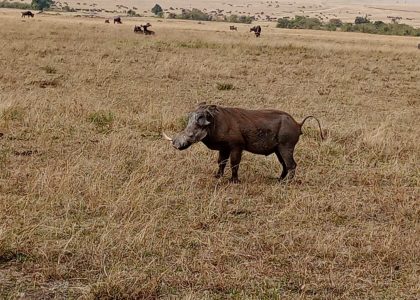
Lake Mburo is the only Ugandan park where you can do walking safaris, horseback safaris, and bike safaris alongside traditional game drives. The lack of large predators (no lions or elephants, though leopards and hyenas inhabit the park) allows these activities safely. Zebras, impalas (found nowhere else in Uganda), elands (Africa’s largest antelope), warthogs, and buffalo roam the savannah and acacia woodlands.
The lake itself attracts hippos, crocodiles, and spectacular birdlife. Over 350 bird species have been recorded, including the rare shoebill stork and numerous African finfoot sightings.
Uganda offers four of Africa’s Big Five naturally in the wild. Sadly all of ugandas wild rhinos were lost in the 1980’s due to to poaching. All is not lost with the recent reintroduction of Southern white rhinos.
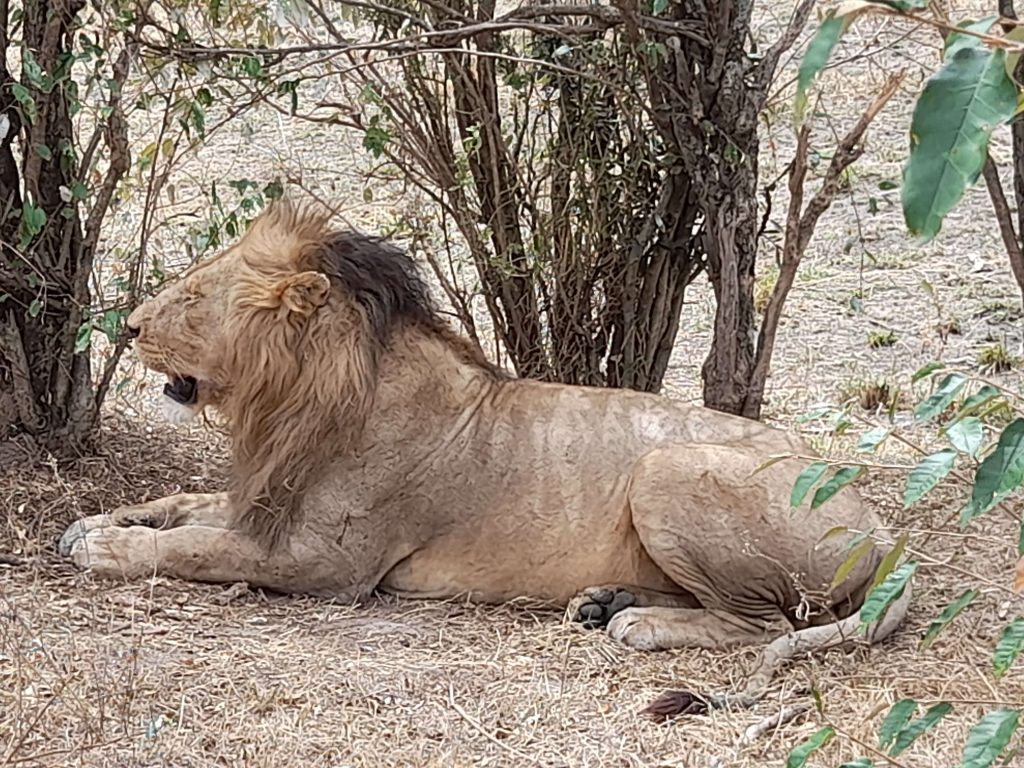
Lions inhabit several Ugandan parks, with Queen Elizabeth and Murchison Falls offering reliable sightings. Queen Elizabeth’s lions have been extensively studied—research shows they differ genetically from East African lions elsewhere, representing a unique population. The tree-climbing lions of Ishasha create unforgettable sightings.
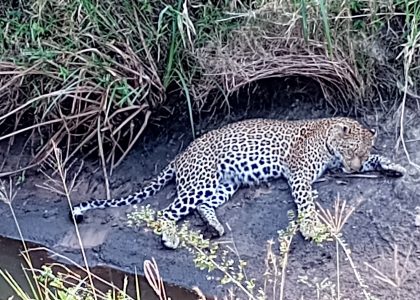
Leopards, though elusive everywhere, appear regularly in Queen Elizabeth, Murchison Falls, and Kidepo. Night drives in Queen Elizabeth increase spotting chances significantly. These solitary cats adapt to various habitats from dense forest to open savannah.
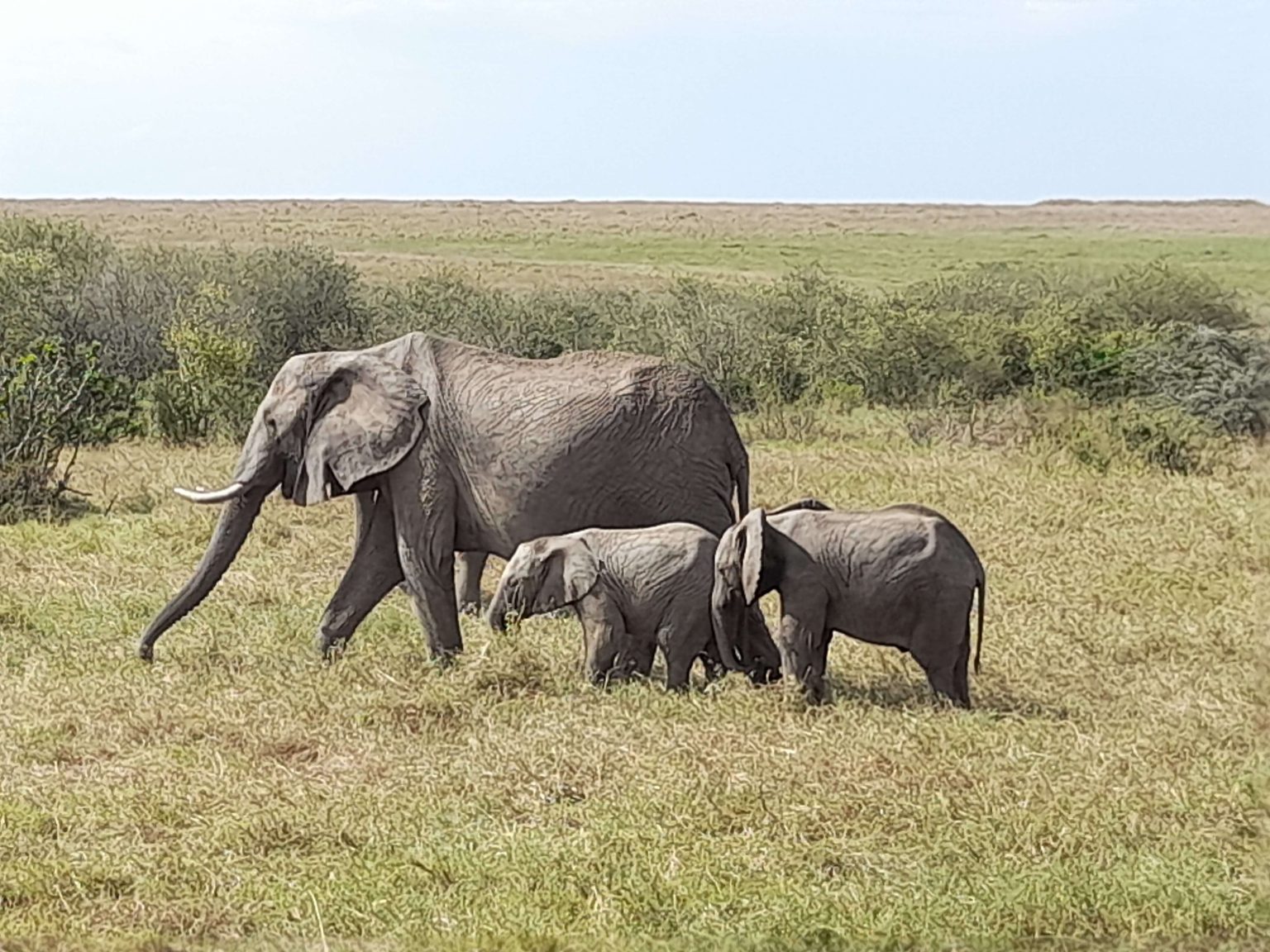
Elephants thrive across Uganda’s national parks. Murchison Falls hosts the largest population, Queen Elizabeth counts over 2,000 individuals, and Kidepo’s elephants have grown habituated to vehicles, allowing close approaches. Unlike the massive tuskers of Amboseli, Uganda’s elephants tend toward medium-sized tusks, but their behavior and family dynamics remain equally fascinating.
Buffalo roam in massive herds, sometimes numbering thousands in Murchison Falls and Queen Elizabeth. While they appear docile, buffalo are considered Africa’s most dangerous animal when threatened. From the safety of safari vehicles, watching massive herds move across the landscape like a dark tide creates spectacular scenes.
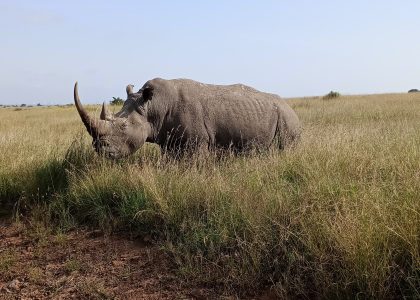
Rhinos disappeared from Uganda’s wild in the 1980s due to poaching. Today, the Ziwa Rhino Sanctuary, located along the highway between Kampala and Murchison Falls, protects a growing southern white rhino population. Visitors can track rhinos on foot with armed rangers—a rare opportunity to approach these prehistoric-looking megaherbivores closely and safely.


Uganda rightfully claims the title of “Primate Capital of the World,” hosting over 13 primate species including nearly half of the world’s remaining mountain gorillas. While East Africa’s savannahs showcase the Big Five and the Great Migration, Uganda’s ancient rainforests offer something equally profound—the chance to lock eyes with our closest living relatives in their natural habitat. Tracking mountain gorillas through Bwindi’s misty forests or watching chimpanzee families interact in Kibale creates encounters that transcend typical wildlife viewing, stirring something deep in our evolutionary memory. These experiences aren’t just about observing rare animals; they’re about recognizing ourselves in their expressions, social dynamics, and behaviors that mirror our own. For travelers seeking wildlife encounters that connect on a profoundly personal level, Uganda’s primates deliver moments that stay with you long after the forest mist clears.
Mountain Gorillas represent Uganda’s most iconic wildlife. Only about 1,070 mountain gorillas remain worldwide, with roughly half living in Uganda. These gentle giants, despite their massive size and strength, are peaceful herbivores that spend their days eating, playing, and resting.
Gorilla families are led by a dominant silverback—a mature male identified by the silvery hair on his back. Silverbacks can weigh over 200 kilograms and stand about 2(two) meters tall. They make all decisions for the family: where to feed, when to move, where to nest for the night. Despite their imposing presence, silverbacks are remarkably gentle with youngsters, tolerating play and mischief that would test any parent’s patience.
Watching gorilla families reveals complex social dynamics: females carefully tending infants, juveniles wrestling and tumbling, subordinate males testing boundaries, and the silverback maintaining order. The experience of sitting quietly while gorillas feed within arm’s reach, meeting the gaze of these intelligent primates, and recognizing our shared evolutionary heritage creates profound emotional impacts.
Chimpanzees, our closest living relatives, display remarkable intelligence and complex behavior. They use tools, communicate with diverse vocalizations, hunt cooperatively, and exhibit cultural variations between communities. Uganda protects over 5,000 chimpanzees across multiple forests.
Chimpanzee tracking differs from gorilla trekking in energy and atmosphere. Chimps are more active, vocal, and arboreal. You’ll hear them before seeing them—hoots, screams, and pant-hoots echo through the forest as chimps communicate across distances. When you find them, they might be feeding high in fruit trees, grooming each other on the forest floor, or racing through the canopy in noisy displays of dominance.
Golden Monkeys in Mgahinga Gorilla National Park display gorgeous coloring—bright orange-gold fur contrasting with black limbs and tails. These endangered primates live only in the Virunga Volcanoes, making them a specialty species. They’re more energetic than gorillas, bouncing through bamboo forests and feeding on bamboo shoots, fruits, and leaves.
Other Primates include the red colobus, black-and-white colobus with their flowing white capes, red-tailed monkeys, blue monkeys, grey-cheeked mangabeys, olive baboons, and the nocturnal galagos (bushbabies). The L’Hoest’s monkey, found in Kibale and Bwindi, is one of Africa’s rarest primates.


Uganda records over 1,060 bird species—more than half of Africa’s bird species in a country the size of the United Kingdom. This extraordinary diversity results from Uganda’s location where East African savannah meets West African rainforest meets Albertine Rift endemics.
The Shoebill Stork, one of Africa’s most sought-after birds, inhabits Uganda’s wetlands. This prehistoric-looking bird, with its massive shoe-shaped bill, stands motionless for hours before striking at lungfish with explosive speed. Mabamba Swamp near Entebbe offers the best shoebill viewing odds.
The Albertine Rift endemic species, found nowhere else on Earth, draw serious birders to Uganda. Bwindi alone hosts 23 Albertine endemics including the African green broadbill, Shelley’s crimsonwing, and handsome francolin.
Queen Elizabeth National Park records over 600 bird species—more than the entire country of North America. The list includes African fish eagles, martial eagles, saddle-billed storks, grey crowned cranes (Uganda’s national bird), malachite kingfishers, and countless others.
Uganda rightfully claims the title of “Primate Capital of the World,” hosting over 13 primate species including nearly half of the world’s remaining mountain gorillas. While East Africa’s savannahs showcase the Big Five and the Great Migration, Uganda’s ancient rainforests offer something equally profound—the chance to lock eyes with our closest living relatives in their natural habitat. Tracking mountain gorillas through Bwindi’s misty forests or watching chimpanzee families interact in Kibale creates encounters that transcend typical wildlife viewing, stirring something deep in our evolutionary memory. These experiences aren’t just about observing rare animals; they’re about recognizing ourselves in their expressions, social dynamics, and behaviors that mirror our own. For travelers seeking wildlife encounters that connect on a profoundly personal level, Uganda’s primates deliver moments that stay with you long after the forest mist clears.
Uganda’s biodiversity extends beyond the famous species. The tree hyrax, a small mammal whose nighttime screams sound remarkably like a child crying, turns out to be the elephant’s closest living relative based on DNA analysis. Nile crocodiles reaching 6+ meters inhabit the Nile and other waterways. Hippos are abundant, with some pods numbering hundreds. The sitatunga, a semi-aquatic antelope adapted for swamp living, inhabits Uganda’s wetlands.
Uganda’s equatorial location means relatively stable weather year-round compared to seasonal extremes elsewhere in East Africa. However, distinct wet and dry seasons influence safari experiences.
June to September represents Uganda’s primary dry season. This period offers the best overall conditions for safari:
This peak season brings more visitors and higher prices, especially for gorilla permits. Book accommodations and permits several months in advance. Temperatures remain moderate due to Uganda’s high elevation—daytime averages 25-27°C (77-81°F), but mornings and evenings can be cool, especially in mountain areas.
December to February offers Uganda’s second dry season, shorter but equally good for wildlife viewing. This period sees fewer tourists than June-September despite comparable conditions. December and January are particularly pleasant, with warm days and minimal rain.
Bwindi’s microclimate means mist and drizzle can occur anytime, regardless of season. The “impenetrable forest” earned its name partly through persistent moisture that sustains the dense vegetation. Come prepared for wet conditions even during dry seasons.
March to May brings the long rains. This period sees significant rainfall, particularly in April. However, dismissing the wet season means missing unique advantages:
The main challenge? Gorilla and chimpanzee tracking becomes more physically demanding. Muddy, slippery trails require good fitness levels and proper footwear. Heavy rain can make roads difficult, particularly to remote parks. However, morning treks often enjoy clear weather before afternoon showers.
For photographers, the wet season offers dramatic skies, lush green backdrops, and exceptional lighting. Wildlife remains present—animals don’t migrate in Uganda as they do in Kenya and Tanzania—though thick vegetation makes spotting more challenging.
October to November marks the short rains. Rainfall is less intense than March-May, and this shoulder season often provides excellent value. Early October can be quite dry, while November sees more rain. This period offers good availability for permits and accommodations at lower prices than peak season.
Gorilla Trekking: June-September and December-February offer the easiest trekking conditions, though gorillas can be tracked year-round. If you’re reasonably fit and don’t mind mud, the wet season’s advantages (fewer visitors, lower prices, available permits) can outweigh trail difficulty.
Chimpanzee Tracking: Year-round activity with high success rates in all seasons. Wet season sees chimps feeding on seasonal fruits, creating more animated viewing.
Classic Safari (Queen Elizabeth, Murchison Falls, Kidepo): Dry seasons concentrate wildlife around water sources, improving game viewing. However, these parks function well year-round.
Birding: November to April brings migratory species from Europe and North Africa, increasing diversity. However, Uganda’s incredible resident bird populations ensure excellent birding any month.
White-Water Rafting: Jinja’s rapids run year-round, though water levels vary. High water (March-May, November) creates more dramatic rapids. Low water (June-August) exposes more technical rapids and rocks.
Most international visitors fly into Entebbe International Airport, located on Lake Victoria’s shores 40 kilometers from Kampala. Entebbe offers a pleasant introduction to Uganda—lakeside setting, moderate temperatures, and relaxed pace.
From Entebbe/Kampala, distances to major parks:
Domestic flights via Aerolink Uganda dramatically reduce transfer times, particularly for Bwindi and Kidepo. Flying costs more but maximizes time for activities over driving. For budget-conscious travelers or those who enjoy seeing countryside landscapes, road transfers offer their own rewards—Uganda’s varied scenery, roadside life, and village views provide authentic experiences.
Our safaris use well-maintained 4×4 Toyota Land Cruisers or safari vans with pop-up roofs for game viewing. For gorilla and chimpanzee tracking, we provide comfortable vehicles for park transfers, though the actual tracking happens on foot.
Gorilla permits must be booked well in advance—6+ months for peak season travel (June-September, December-February), minimum 3 months for other periods. Each permit allows one hour with gorillas. Only 8 people visit each habituated family daily, limiting daily permits across all parks.
Gorilla Habituation Experience ($1,500): For deeper engagement, this experience in Bwindi’s Rushaga sector allows 4 hours with gorillas undergoing habituation. You’ll accompany researchers observing a gorilla family not yet fully habituated to humans. Only 4 permits available daily.
Wazimba Travel handles all permit arrangements, securing them as soon as you confirm your safari dates. Permits are non-refundable if you cancel, making travel insurance essential.
Chimpanzee Tracking Permits: $250 in Kibale, $150 in Budongo Forest (Murchison Falls). These permits also should be booked in advance, though availability is less constrained than gorilla permits.
Chimpanzee Habituation Experience ($300 in Kibale): Spend a full day with chimps undergoing habituation, from morning nest leave to evening nest building.
Yellow Fever vaccination is mandatory for entry to Uganda. You must present your yellow fever vaccination certificate at immigration.
Malaria prevention is strongly recommended. Uganda’s national parks fall within malarial zones. Consult your travel medicine specialist about appropriate prophylaxis. Mosquito repellent, long sleeves and trousers during dawn/dusk, and sleeping under mosquito nets reduce exposure.
Fitness for Gorilla Trekking: Gorilla trekking requires moderate to good fitness. Treks last 2-8 hours depending on gorilla locations, involve steep climbs and descents on muddy trails at high altitude (1,500-2,600 meters). You don’t need to be an athlete, but regular walking/hiking beforehand helps.
Porters are available ($15-20) and highly recommended. They carry your daypack, assist on difficult sections, and provide stability on steep/slippery slopes. Hiring porters also supports local communities—many porters are former poachers who now earn income from conservation.
Safety in Uganda: Uganda is generally safe for tourists. National parks have virtually no crime. Kampala requires standard urban precautions. Political stability has improved dramatically over recent decades, though northern border areas near South Sudan and DRC should be avoided unless on organized tours to Kidepo Valley.
The cost of a Uganda safari will vary depending on a number of different factors such as choice of accommodation, vehicles, permits, and activities. Generallysafaris are categorizedinto the following:
Budget safaris keep costs manageable while still delivering authentic experiences. Accommodations are simple but clean, meals are hearty, and you’ll spend the same time on activities as luxury travelers. The main differences are accommodation comfort levels and vehicle exclusivity.
Mid-range represents excellent value—comfortable beds, good food, en-suite bathrooms, and often stunning locations. Many lodges at this level sit on park boundaries with wildlife visiting the grounds. Service is attentive, and facilities include swimming pools, bars, and restaurants.
Luxury Uganda safaris rival anywhere in Africa. Properties like Sanctuary Gorilla Forest Camp, Clouds Mountain Gorilla Lodge, and Volcanoes Safaris lodges offer five-star comfort in remote wilderness settings. Expect exceptional guiding, private vehicles, gourmet meals, spa services, and locations that maximize wildlife viewing.
Bespoke safaris are completely customized around your preferences. Want to spend two days with gorillas (requiring two permits)? Interested in private chimpanzee experiences? Hoping to fly between all destinations? Bespoke safaris make it happen without compromise.
As a local operator, Wazimba Travel works directly with Uganda lodges, guides, and parks without international middlemen. This direct relationship means better prices for comparable experiences and flexibility to customize based on your specific interests and budget.
Uganda’s cultural diversity matches its ecological diversity. Over 50 ethnic groups with distinct languages, traditions, and histories create a rich cultural tapestry.
The Batwa, often called “pygmies,” are Uganda’s indigenous forest people. For thousands of years, they lived as hunter-gatherers in the forests now protected as Bwindi Impenetrable and Mgahinga parks. When these forests became national parks in 1991, the Batwa were relocated to make room for gorilla conservation.
Today, several Batwa communities offer cultural experiences near Bwindi and Mgahinga. The Batwa Experience combines forest walks where Batwa guides demonstrate traditional hunting techniques, fire-making, gathering practices, and medicinal plant knowledge. You’ll hear their unique click-language, see traditional dancing, and learn about their struggles adapting to life outside the forest.
These cultural visits directly benefit Batwa communities, providing income and helping preserve their heritage. The Batwa story also illustrates conservation’s complex challenges—how do we balance wildlife protection with indigenous rights and livelihoods?
Many lodges near national parks offer village walks where you’ll meet local families, see traditional homesteads, visit schools, and learn about daily life. These encounters, when done respectfully, benefit both visitors and communities—you gain cultural insights while your visit supports local income.
Near Bwindi, the Buhoma Village Walk takes you through local communities, stopping at traditional healers, banana beer brewers, blacksmiths, and coffee growers. Near Kibale, the Bigodi Community has developed an outstanding wetland sanctuary where guides (all community members) lead bird walks while explaining traditional plant uses, farming practices, and local conservation efforts.
Ugandan cultural performances showcase incredible diversity. Different tribes maintain distinct musical traditions using unique instruments: the endongo (bowl lyre), adungu (arched harp), engalabi (long drums), and amadinda (xylophone). Dances range from the energetic kiganda dances of the Buganda kingdom to the acrobatic runyege of western Uganda.
Many lodges arrange evening performances where local groups demonstrate traditional dances, explain their cultural significance, and often invite guests to participate. These aren’t staged tourist shows but authentic expressions of living cultures passed through generations.
The Buganda kingdom, centered in Kampala, represents Uganda’s largest and most politically influential traditional kingdom. The Kabaka’s Palace in Kampala and the Kasubi Tombs (a UNESCO World Heritage Site) offer insights into this sophisticated pre-colonial society. The Buganda maintained complex governance systems, craft specializations, and architectural traditions that continue influencing modern Uganda.
Uganda is a pioneer in community-based conservation models that benefit both wildlife and people. This approach recognizes that conservation succeeds only when local communities receive tangible benefits from protected areas.
Mountain gorilla populations in Uganda have grown from approximately 400 individuals in the 1980s to over 500 today—one of conservation’s greatest success stories. This recovery resulted from intensive anti-poaching efforts, habitat protection, and critically, revenue sharing with local communities.
Twenty percent of gorilla permit fees goes directly to community projects: building schools, health clinics, roads, and water systems. This model creates economic incentives for conservation—communities protecting gorillas gain tangible benefits, while those where poaching occurs lose revenue. Local people have shifted from viewing gorillas as competition for resources to seeing them as valuable assets worth protecting.
The Uganda Wildlife Authority pioneered revenue-sharing programs where communities bordering national parks receive portions of park entrance fees. These funds support education, healthcare, infrastructure, and livelihood programs. The model demonstrates that conservation and community development can advance together rather than competing.
Several private reserves and conservancies extend protected areas beyond national park boundaries while benefiting landowners. The Ziwa Rhino Sanctuary, where southern white rhinos are being bred for eventual reintroduction to Ugandan national parks, operates on community land with local employment and revenue sharing.
When you safari with Wazimba Travel in Uganda, you participate directly in conservation:
Your safari choice matters. Choosing responsible operators ensures your tourism spending creates positive impacts for both wildlife and the communities who live alongside protected areas.
Uganda’s location makes it ideal for multi-country East African adventures, particularly with Rwanda and Kenya.
Combining Uganda and Rwanda creates the ultimate primate safari. Both countries offer mountain gorilla trekking, but each provides distinct experiences.
A combined Uganda-Rwanda itinerary might include gorilla trekking in both countries (comparing experiences), chimpanzee tracking in Uganda’s Kibale Forest, wildlife safari in Uganda’s Queen Elizabeth or Rwanda’s Akagera, and cultural experiences in both nations. The countries share a border with multiple crossing points, making combinations seamless.
This combination contrasts Uganda’s forest primates with Kenya’s savannah wildlife spectacles. After tracking gorillas through Bwindi’s mists and observing chimpanzees in Kibale, you’ll transition to Kenya’s open grasslands where lions hunt, elephants march past Mount Kilimanjaro, and millions of wildebeest migrate across the Masai Mara.
A typical combination itinerary may be as follows:
This creates a comprehensive East African experience showcasing the region’s incredible diversity—from mountain rainforests to savannah plains, from primates to predators.
Many Uganda safaris include a day or two in Jinja for white-water rafting, bungee jumping, kayaking, or simply relaxing by the Nile. This works particularly well as a safari conclusion—after early wake-ups and intense wildlife experiences, the adrenaline of Nile rapids or peaceful riverside relaxation provides perfect contrast.
As East African safari specialists with deep Uganda connections, we offer distinct advantages for your Uganda adventure:
Local Expertise, Regional Connections: Based in Nairobi with years of experience operating throughout East Africa, we maintain strong relationships with Uganda’s best guides, lodges, and ground operators. We know which Bwindi sectors suit different fitness levels, which Queen Elizabeth lodges offer best wildlife viewing, and how to optimize itineraries for your specific interests.
Gorilla Permit Management: Securing gorilla permits requires timing, knowledge of availability across different Bwindi sectors, and reliable connections. We handle all permit arrangements, advise on optimal sectors based on your preferences and fitness, and ensure permits are secured well before your travel dates.
Honest Advice: We’ll tell you truthfully whether gorilla trekking suits your fitness level, recommend realistic itineraries over rushed schedules, and suggest when to skip activities that don’t match your interests. Our reputation depends on delivering experiences that exceed expectations, not overselling.
Flexible, Personalized Itineraries: No two travelers are identical. We listen to your interests (primates only? Balanced primate/safari? Photography focus? Family-friendly?), respect your budget, and craft itineraries specifically for you. Want to spend extra time in Kibale? Prefer avoiding long drives? Interested in cultural experiences? We adapt accordingly.
Value Without Compromise: Working directly with Ugandan partners without international middlemen means better pricing for equivalent experiences. You’ll stay in the same lodges and visit the same gorilla families as travelers who paid significantly more—you just booked more intelligently.
Comprehensive East African Knowledge: Unlike operators specializing in single countries, our regional expertise allows seamless multi-country itineraries. Combining Uganda gorillas with Kenya’s Masai Mara? Uganda and Rwanda gorilla comparisons? We handle complex logistics across borders, multiple flights, and different park systems.
24/7 Support: From planning through your return home, we’re available. Questions about packing? Concerns about fitness requirements? Issues during travel? We respond quickly and solve problems proactively.
Perfect for: Gorilla trekking focus with limited time Highlights: Mountain gorilla encounter, Bwindi forest, Lake Bunyonyi
Day 1: Fly Entebbe to Kihihi, transfer to Bwindi lodge (3 hours), afternoon relaxation Day 2: Early morning gorilla trekking (2-8 hours), afternoon at leisure or Batwa cultural experience Day 3: Morning transfer to Lake Bunyonyi for relaxation, return to Entebbe for evening flight
This condensed itinerary maximizes your gorilla experience while minimizing travel time through internal flights. Perfect for adding to Kenya or Rwanda safaris, or for those with limited vacation time wanting one specific experience.
Perfect for: First-time Uganda visitors wanting diversity Highlights: Chimpanzee tracking, Queen Elizabeth safari, gorilla trekking
Day 1: Drive Kampala/Entebbe to Kibale Forest (5-6 hours), afternoon Bigodi wetland walk Day 2: Morning chimpanzee tracking, afternoon drive to Queen Elizabeth NP (3 hours) Day 3: Morning game drive in Kasenyi plains, afternoon Kazinga Channel boat cruise Day 4: Early morning drive to Ishasha for tree-climbing lions, continue to Bwindi (4 hours) Day 5: Morning gorilla trekking, afternoon return to Entebbe (8-9 hours or fly 2 hours)
This itinerary balances primates with traditional safari, showcasing Uganda’s diversity without excessive rushing. You’ll experience both forest and savannah ecosystems.
Perfect for: Comprehensive first Uganda experience Highlights: All major activities, diverse ecosystems, manageable pace
Day 1: Arrive Entebbe, transfer to Kampala hotel, city orientation Day 2: Morning Ziwa Rhino Sanctuary tracking, continue to Murchison Falls (6 hours total) Day 3: Morning game drive northern bank, afternoon boat cruise to falls base Day 4: Transfer to Kibale Forest (6-7 hours) via Fort Portal, scenic drive Day 5: Morning chimpanzee tracking, afternoon drive to Queen Elizabeth (3 hours) Day 6: Full day Queen Elizabeth: morning Kasenyi game drive, Kazinga boat cruise, evening drive Ishasha for tree-climbing lions Day 7: Early transfer to Bwindi (4 hours), afternoon village walk or relaxation Day 8: Morning gorilla trekking, afternoon return Entebbe or extend to Lake Bunyonyi
This week-long safari covers Uganda’s main highlights without feeling rushed. You’ll see the Big Five, track gorillas and chimps, experience different ecosystems, and have time to absorb each location.
Perfect for: Thorough Uganda exploration Highlights: All major parks, multiple primate experiences, adventure activities
Day 1: Arrive Entebbe, overnight lakeside hotel Day 2: Transfer to Jinja (2 hours), afternoon source of Nile visit Day 3: Morning white-water rafting on the Nile, afternoon relaxation Day 4: Transfer to Murchison Falls (5-6 hours) Day 5: Full day Murchison: morning game drive, afternoon boat cruise, optional hike to falls top Day 6: Morning Budongo Forest chimp tracking, transfer to Kibale (6 hours) Day 7: Morning Kibale chimpanzee tracking, afternoon Bigodi wetland sanctuary Day 8: Transfer to Queen Elizabeth (3 hours), afternoon game drive Day 9: Full day Queen Elizabeth: Kazinga boat cruise, game drives, Ishasha lions Day 10: Transfer to Bwindi (4 hours), afternoon Batwa cultural experience Day 11: Morning gorilla trekking, afternoon at leisure Day 12: Morning second activity (forest walk, village visit, or Lake Bunyonyi), return Entebbe
This comprehensive itinerary includes adventure (rafting), two chimp tracking opportunities, extensive wildlife viewing, gorilla trekking, and cultural experiences—Uganda in full.
Perfect for: Serious photographers Highlights: Extended sessions, optimal lighting, diverse subjects
Day 1: Arrive Entebbe, evening wildlife photography briefing Day 2: Morning flight to Murchison Falls, afternoon boat cruise for riverine wildlife photography Day 3: Full day photography: dawn and dusk game drives, midday boat session Day 4: Transfer to Queen Elizabeth (via Fort Portal), landscape photography en route Day 5: Full day Queen Elizabeth: morning Kasenyi game drive, Kazinga boat cruise, evening Ishasha sector Day 6: Transfer to Bwindi, afternoon forest atmosphere and portrait photography Day 7: Gorilla trekking with photography focus (no flash, limited shooting time during trek) Day 8: Morning optional second activity, return to Entebbe
This itinerary emphasizes being in the right place at optimal times. Multiple game drives in each location allow repositioning for different lighting. The pace accommodates photography needs—downloading, organizing, and reviewing images.
Difficulty varies significantly based on which gorilla family you’re assigned. Some families stay near the forest edge (1-2 hour treks), while others roam deep in the forest (6-8 hour treks). Terrain is steep, muddy, and at altitude (1,500-2,600m). You don’t need to be an athlete, but regular walking/hiking beforehand helps. Porters are available and highly recommended—they carry packs, assist on difficult sections, and provide stability. If you can hike 2-3 hours with breaks on uneven terrain, you can handle gorilla trekking.
Yes. Uganda is generally safe for tourists, particularly in national parks where crime is virtually nonexistent. Kampala requires standard urban precautions (don’t display valuables, use registered taxis, stay aware). Political stability has improved dramatically. Northern border areas near South Sudan and DRC should be avoided unless on organized tours to Kidepo Valley. Health concerns (malaria, traveler’s illnesses) are more relevant than security issues.
Yellow fever vaccination is mandatory—you must present your certificate at immigration. Hepatitis A, typhoid, and tetanus are recommended. Malaria prophylaxis is strongly advised for all safari areas. Consult a travel medicine specialist 6-8 weeks before departure for personalized recommendations. Routine vaccinations (measles, mumps, rubella) should be current.
Mountain gorillas live only in the Virunga Massif (shared by Uganda, Rwanda, and DRC) and Uganda’s Bwindi Impenetrable Forest. No other locations worldwide host wild mountain gorillas. DRC offers gorilla trekking but with higher security concerns. Uganda and Rwanda are the primary, safest destinations for this experience.
Uganda: Lower permit cost ($800 vs $1,500), more habituated families offering more availability, typically longer/more adventurous treks, wider accommodation range from budget to luxury, can combine with other wildlife safaris.
Rwanda: Higher permit cost, shorter drives from Kigali (2-3 hours vs 8-9 hours from Kampala), typically shorter/less strenuous treks, ultra-luxury lodge focus, excellent organization and infrastructure.
Both offer incredible experiences. Uganda provides better value and more adventure; Rwanda offers more convenience and luxury.
Minimum age for gorilla trekking is 15 years (enforced strictly). This protects both children and gorillas—treks can be long and challenging, and gorillas are susceptible to human diseases. Children 12+ can track chimpanzees. Many families visit Uganda with younger children, enjoying Queen Elizabeth safari, boat cruises, cultural experiences, and Jinja activities while older family members track gorillas.
Success rates exceed 95%. Trackers monitor gorilla families’ locations daily via radio and follow fresh trails. While gorillas move constantly, they don’t range far overnight. On rare occasions when families aren’t found within the day’s trekking time, parks typically refund permit costs or offer to trek again the next day at no additional charge.
Official minimum distance is 7 meters (about 23 feet). However, gorillas often approach closer on their own—they may walk past you, feed nearby, or even touch you (you shouldn’t touch them, but they occasionally touch visitors). Guides maintain safe distances for both human and gorilla protection while allowing incredible close encounters.
Yes! While gorilla trekking becomes more challenging (muddy, slippery trails), it remains possible and often rewarding. Benefits include fewer visitors, lower prices, more available permits, lush green landscapes, and dramatic photography lighting. Wildlife remains present year-round—animals don’t migrate. Come prepared with proper rain gear and realistic fitness expectations.
Absolutely. Solo travelers are common and welcomed. We can match you with small groups to avoid single supplements, or arrange private safaris designed around your schedule. Safari’s shared vehicle experiences naturally create social opportunities. Standard solo travel precautions apply—stay aware, avoid walking alone at night in cities, and inform someone of your plans.
For easiest gorilla trekking: June-September and December-February (dry seasons, less mud). For value and availability: March-May and October-November (wet seasons, lower prices, fewer tourists). For birding: November-April (migratory species present). For photography: March-May (green season, dramatic light). Truth is, Uganda functions well year-round—choose based on your priorities and tolerance for rain/mud.
Difficulty varies significantly based on which gorilla family you’re assigned. Some families stay near the forest edge (1-2 hour treks), while others roam deep in the forest (6-8 hour treks). Terrain is steep, muddy, and at altitude (1,500-2,600m). You don’t need to be an athlete, but regular walking/hiking beforehand helps. Porters are available and highly recommended—they carry packs, assist on difficult sections, and provide stability. If you can hike 2-3 hours with breaks on uneven terrain, you can handle gorilla trekking.
Yes. Uganda is generally safe for tourists, particularly in national parks where crime is virtually nonexistent. Kampala requires standard urban precautions (don’t display valuables, use registered taxis, stay aware). Political stability has improved dramatically. Northern border areas near South Sudan and DRC should be avoided unless on organized tours to Kidepo Valley. Health concerns (malaria, traveler’s illnesses) are more relevant than security issues.
Yellow fever vaccination is mandatory—you must present your certificate at immigration. Hepatitis A, typhoid, and tetanus are recommended. Malaria prophylaxis is strongly advised for all safari areas. Consult a travel medicine specialist 6-8 weeks before departure for personalized recommendations. Routine vaccinations (measles, mumps, rubella) should be current.
Mountain gorillas live only in the Virunga Massif (shared by Uganda, Rwanda, and DRC) and Uganda’s Bwindi Impenetrable Forest. No other locations worldwide host wild mountain gorillas. DRC offers gorilla trekking but with higher security concerns. Uganda and Rwanda are the primary, safest destinations for this experience.
Uganda: Lower permit cost ($800 vs $1,500), more habituated families offering more availability, typically longer/more adventurous treks, wider accommodation range from budget to luxury, can combine with other wildlife safaris.
Rwanda: Higher permit cost, shorter drives from Kigali (2-3 hours vs 8-9 hours from Kampala), typically shorter/less strenuous treks, ultra-luxury lodge focus, excellent organization and infrastructure.
Both offer incredible experiences. Uganda provides better value and more adventure; Rwanda offers more convenience and luxury.
Minimum age for gorilla trekking is 15 years (enforced strictly). This protects both children and gorillas—treks can be long and challenging, and gorillas are susceptible to human diseases. Children 12+ can track chimpanzees. Many families visit Uganda with younger children, enjoying Queen Elizabeth safari, boat cruises, cultural experiences, and Jinja activities while older family members track gorillas.
Success rates exceed 95%. Trackers monitor gorilla families’ locations daily via radio and follow fresh trails. While gorillas move constantly, they don’t range far overnight. On rare occasions when families aren’t found within the day’s trekking time, parks typically refund permit costs or offer to trek again the next day at no additional charge.
Official minimum distance is 7 meters (about 23 feet). However, gorillas often approach closer on their own—they may walk past you, feed nearby, or even touch you (you shouldn’t touch them, but they occasionally touch visitors). Guides maintain safe distances for both human and gorilla protection while allowing incredible close encounters.
Yes! While gorilla trekking becomes more challenging (muddy, slippery trails), it remains possible and often rewarding. Benefits include fewer visitors, lower prices, more available permits, lush green landscapes, and dramatic photography lighting. Wildlife remains present year-round—animals don’t migrate. Come prepared with proper rain gear and realistic fitness expectations.
Absolutely. Solo travelers are common and welcomed. We can match you with small groups to avoid single supplements, or arrange private safaris designed around your schedule. Safari’s shared vehicle experiences naturally create social opportunities. Standard solo travel precautions apply—stay aware, avoid walking alone at night in cities, and inform someone of your plans.
For easiest gorilla trekking: June-September and December-February (dry seasons, less mud). For value and availability: March-May and October-November (wet seasons, lower prices, fewer tourists). For birding: November-April (migratory species present). For photography: March-May (green season, dramatic light). Truth is, Uganda functions well year-round—choose based on your priorities and tolerance for rain/mud.
Uganda awaits with its misty mountain gorillas, playful chimpanzees, tree-climbing lions, and landscapes that range from rainforest to savannah to alpine peaks. Whether you’re dreaming of that life-changing gorilla encounter, seeking diverse wildlife across multiple ecosystems, or combining primates with adventure activities, Uganda delivers experiences found nowhere else on Earth.
At Wazimba Travel, we’ve helped hundreds of adventurers create their perfect Uganda safari experiences. Our East African expertise, direct Uganda relationships, and personalized service ensure your safari exceeds expectations while respecting your budget. We handle every detail—gorilla permits, logistics, accommodations, and activities—so you can focus on the experience.
Ready to start planning? Contact us today for a free consultation and custom itinerary. Tell us about your dream Uganda safari—your interests, dates, fitness level, budget, and any special requirements—and we’ll craft a personalized adventure designed just for you.
Contact Wazimba Travel:
Your East African adventure begins here. Let’s create memories that last a lifetime.
Since 2017, Wazimba Travel has been crafting authentic East African safari experiences. As a locally-owned operator with deep regional connections, we combine intimate knowledge with personalized service to create safaris that exceed expectations. Browse our Uganda safari packages, read our safari planning blog, or contact us directly to start planning your Uganda gorilla trekking and wildlife adventure.
☏ Call/WhatsApp: +254-110-525-484 +254-720-809-041
✉ Email: info@wazimbatravel.com
⌚ Response time: Within 24 hours